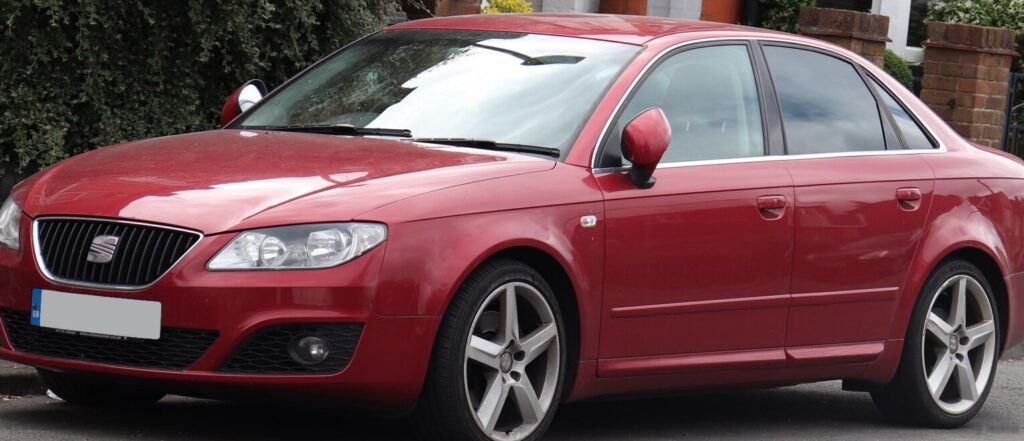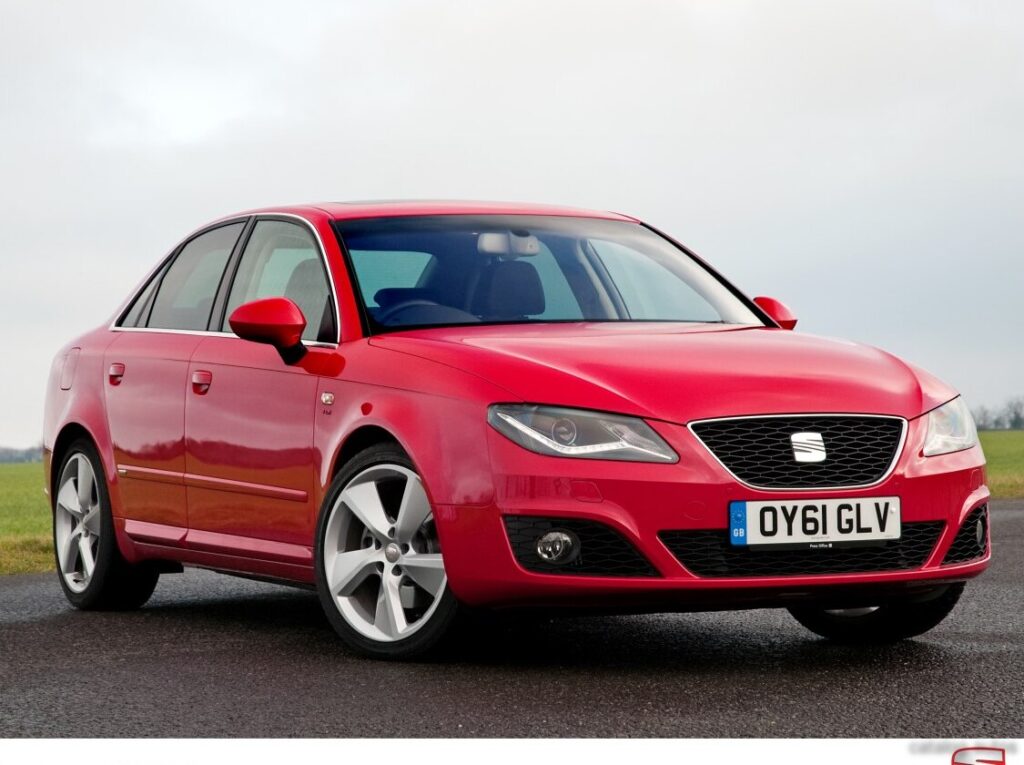
The Seat Exeo, launched in 2008, represented Seat’s entry into the mid-size executive car segment. The 2.0 TSI (211 hp) variant, specifically the facelifted model introduced in September 2011 and produced through October 2012, was positioned as the performance-oriented offering within the Exeo range. Built on the Volkswagen Group’s B7 (1HX0/A3) platform – shared with the Audi A4 and Škoda Superb – the Exeo aimed to provide a more stylish and dynamic alternative to its more conservatively styled competitors. This particular 2.0 TSI model served as the flagship engine option, offering a significant power upgrade over the lower-spec petrol and diesel engines available.
Powertrain & Engine Architecture
The heart of the 2011-2012 Seat Exeo 2.0 TSI is the EA113 engine code, specifically the CDND variant. This is a 1.984-liter (121.07 cubic inches) inline-four cylinder engine featuring direct fuel injection and a turbocharger with an intercooler. The engine produces 211 horsepower at 4600-6000 rpm and 320 Nm (236.02 lb-ft) of torque between 1500-4600 rpm. This output translates to a power-to-liter ratio of 106.4 hp/l. The engine utilizes a double overhead camshaft (DOHC) valvetrain with four valves per cylinder, contributing to its responsive nature.
The direct injection system, a key component of the EA113 engine, allows for precise fuel delivery and improved combustion efficiency. The turbocharger, coupled with the intercooler, minimizes intake air temperature, further enhancing performance. The engine requires 4.6 liters (4.86 US quarts) of engine oil, adhering to specific manufacturer specifications for optimal lubrication. The cooling system capacity is 7.5 liters (7.93 US quarts). The engine is longitudinally mounted in the front of the vehicle, driving the front wheels.
Transmission
While a six-speed manual transmission was available, the 2.0 TSI was frequently paired with a six-speed automatic transmission (specifically the 09G). This automatic transmission, a common unit within the Volkswagen Group at the time, offered smooth shifts and convenience, catering to drivers prioritizing comfort over ultimate control. The automatic transmission’s gear ratios were tuned to balance acceleration and fuel efficiency, though it didn’t offer the same level of engagement as the manual option.
Driving Characteristics
The 2.0 TSI Exeo delivers a noticeably more spirited driving experience compared to the lower-powered variants. Acceleration from 0 to 100 km/h (0-62 mph) takes approximately 7.1 seconds, while 0-60 mph is achieved in around 6.7 seconds. The maximum speed is electronically limited to 244 km/h (151.61 mph). The readily available torque, peaking at 320 Nm, provides strong mid-range acceleration, making overtaking maneuvers effortless.
Compared to the manual transmission version, the automatic transmission slightly diminishes the sense of driver involvement. However, it provides a more relaxed driving experience, particularly in urban traffic. The automatic transmission’s shift points are generally well-timed, but can sometimes feel hesitant during aggressive driving. The Exeo 2.0 TSI offers a good balance between performance and comfort, making it suitable for both daily commuting and longer journeys.
Equipment & Trim Levels
The 2.0 TSI Exeo, being the top-of-the-line trim, typically came equipped with a generous array of standard features. These included climate control, alloy wheels (typically 17 or 18 inch), a multi-function steering wheel, and an upgraded audio system. Interior upholstery was generally cloth or leather, with the latter being an optional upgrade. The dashboard featured a modern design with clear instrumentation.
Optional extras available for the 2.0 TSI included a navigation system, parking sensors, a sunroof, and xenon headlights. Safety features such as ABS (Anti-lock Braking System) and multiple airbags were standard. The Exeo’s interior, while well-built, didn’t quite match the premium feel of some of its rivals, such as the Audi A4. However, it offered a good level of practicality and comfort.
Chassis & Braking
The Exeo’s chassis utilizes an independent multi-link suspension at the front and an independent trapezoidal lever suspension at the rear, both incorporating a transverse stabilizer bar. This suspension setup provides a comfortable ride while maintaining good handling characteristics. The front brakes are ventilated discs measuring 320×30 mm, while the rear brakes are solid discs measuring 288×12 mm. This braking configuration provides ample stopping power for the vehicle’s weight and performance capabilities.
The Exeo’s steering is a hydraulic power steering system, offering a direct and responsive feel. The weight-to-power ratio is 6.8 kg/hp, and the weight-to-torque ratio is 4.5 kg/Nm, indicating a reasonably efficient power-to-weight balance. The kerb weight of the vehicle is 1430 kg (3152.61 lbs), with a maximum weight of 1990 kg (4387.2 lbs).
Market Reception & Comparison
The Seat Exeo 2.0 TSI received generally positive reviews from automotive critics. It was praised for its stylish design, comfortable ride, and strong performance. However, it was also criticized for its somewhat bland interior and lack of brand prestige compared to its German rivals. Fuel economy was respectable, with combined fuel consumption figures of 6.9 l/100 km (34.1 US mpg, 40.9 UK mpg).
Compared to the lower-spec Exeo models, the 2.0 TSI offered a significant performance advantage. It was also more competitive against rivals such as the Ford Mondeo and Opel/Vauxhall Insignia. However, the Audi A4, with its more refined interior and stronger brand image, remained the benchmark in the segment. In terms of reliability, the EA113 engine is generally considered to be reasonably durable, although it is known to be susceptible to carbon buildup on the intake valves over time, requiring periodic cleaning.
Technical Specifications
| Brand | Seat |
| Model | Exeo (facelift 2011) |
| Type (Engine) | 2.0 TSI (211 Hp) |
| Start of production | September, 2011 |
| End of production | October, 2012 |
| Powertrain Architecture | Internal Combustion engine |
| Body type | Sedan |
| Seats | 5 |
| Doors | 4 |
| Fuel consumption (urban) | 9.6 l/100 km (24.5 US mpg) |
| Fuel consumption (extra urban) | 5.3 l/100 km (44.4 US mpg) |
| Fuel consumption (combined) | 6.9 l/100 km (34.1 US mpg) |
| CO2 emissions | 159 g/km |
| Fuel Type | Petrol (Gasoline) |
| Acceleration 0 – 100 km/h | 7.1 sec |
| Acceleration 0 – 62 mph | 7.1 sec |
| Acceleration 0 – 60 mph | 6.7 sec |
| Maximum speed | 244 km/h (151.61 mph) |
| Emission standard | Euro 5 |
| Weight-to-power ratio | 6.8 kg/Hp |
| Weight-to-torque ratio | 4.5 kg/Nm |
| Power | 211 Hp @ 4600-6000 rpm |
| Torque | 320 Nm @ 1500-4600 rpm (236.02 lb.-ft.) |
| Engine layout | Front, Longitudinal |
| Engine Model/Code | EA113 / CDND |
| Engine displacement | 1984 cm3 (121.07 cu. in.) |
| Number of cylinders | 4 |
| Engine configuration | Inline |
| Cylinder Bore | 82.5 mm (3.25 in.) |
| Piston Stroke | 92.8 mm (3.65 in.) |
| Compression ratio | 9.6:1 |
| Number of valves per cylinder | 4 |
| Fuel injection system | Direct injection |
| Engine aspiration | Turbocharger, Intercooler |
| Valvetrain | DOHC |
| Engine oil capacity | 4.6 l (4.86 US qt | 4.05 UK qt) |
| Coolant | 7.5 l (7.93 US qt | 6.6 UK qt) |
| Kerb Weight | 1430 kg (3152.61 lbs.) |
| Max. weight | 1990 kg (4387.2 lbs.) |
| Trunk (boot) space – minimum | 460 l (16.24 cu. ft.) |
| Trunk (boot) space – maximum | 833 l (29.42 cu. ft.) |
| Fuel tank capacity | 70 l (18.49 US gal | 15.4 UK gal) |
Legacy
The Seat Exeo, while a relatively short-lived model, offered a compelling package for buyers seeking a stylish and well-equipped mid-size executive car. The 2.0 TSI variant, in particular, provided a significant performance boost and remains a desirable option on the used car market. The EA113 engine, despite its potential for carbon buildup, is generally considered reliable when properly maintained. Today, Exeo 2.0 TSI models represent a relatively affordable entry point into the executive car segment, offering a good balance of performance, comfort, and practicality. However, prospective buyers should be aware of the potential maintenance requirements associated with the EA113 engine and the age of the vehicle.