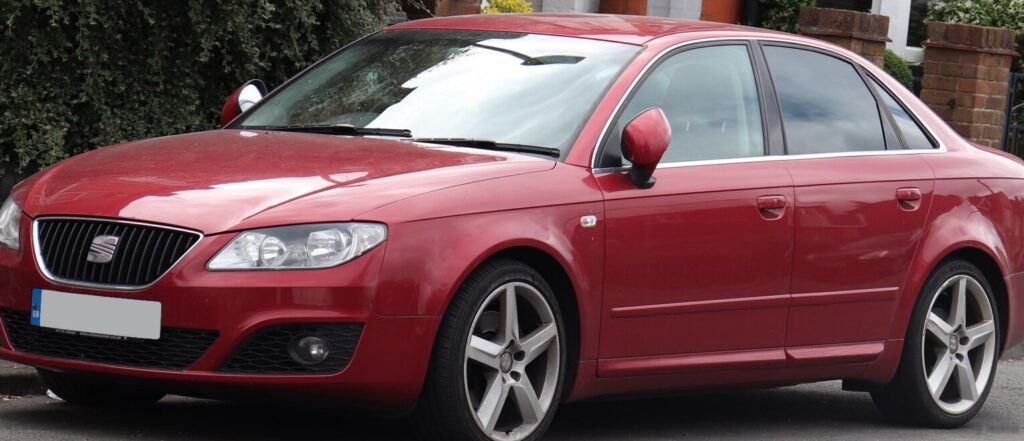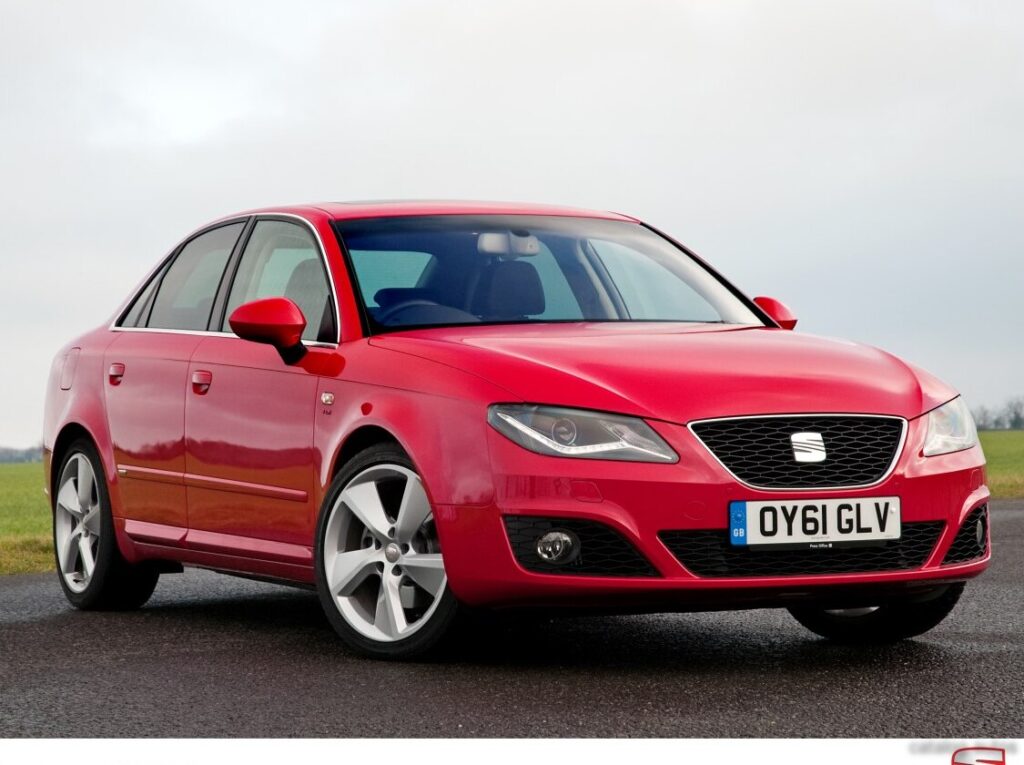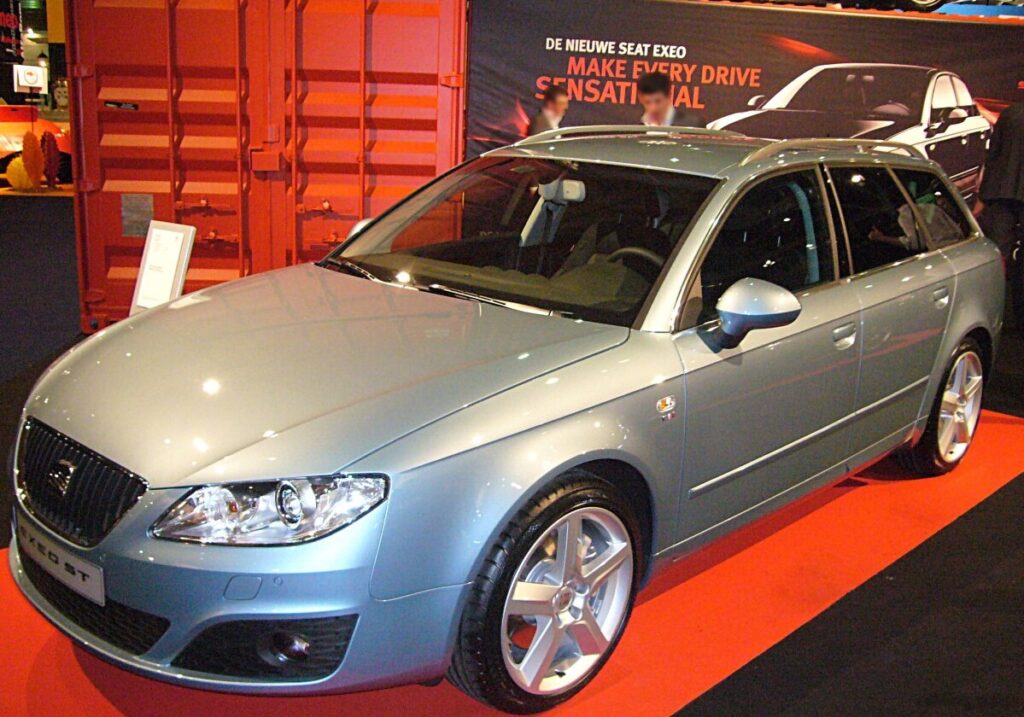
The Seat Exeo ST 2.0 TDI, produced from July 2009 to September 2011, was a station wagon (estate) variant of the Exeo model line. It represented Seat’s entry into the mid-size executive car segment, leveraging the platform and many components from the previous generation Audi A4 (B7). The “ST” designation signified the “Sport Tourer” or station wagon body style. This particular 2.0 TDI variant, producing 120 horsepower, occupied a middle ground within the Exeo ST range, offering a balance between fuel efficiency, practicality, and cost. It was positioned below the more powerful TDI variants and above the entry-level petrol engines, targeting buyers seeking a sensible and economical family vehicle.
Seat Exeo ST 2.0 TDI (120 Hp): Overview and Positioning
The Exeo ST, and specifically the 2.0 TDI 120 hp model, was designed to appeal to a broader audience than Seat had traditionally served. The Exeo project itself was somewhat unique for Seat, as it involved a significant degree of collaboration with Audi following the Spanish brand’s integration into the Volkswagen Group. The ST body style further enhanced the Exeo’s practicality, offering increased cargo capacity compared to the sedan version. The 2.0 TDI engine was a popular choice in Europe, known for its fuel efficiency and reasonable performance, making this variant a common sight on European roads. It aimed to compete with established players in the mid-size wagon segment, such as the Ford Mondeo Estate, Volkswagen Passat Variant, and Opel/Vauxhall Insignia Sports Tourer.
Powertrain & Engine Architecture
The heart of the Exeo ST 2.0 TDI was the Volkswagen Group’s common rail diesel engine, specifically the CAGC engine code. This is a 1968 cc (120.09 cubic inches) inline four-cylinder diesel engine. It featured a turbocharger with an intercooler to boost power and efficiency. The engine utilized a Bosch common rail direct injection system, delivering fuel directly into the combustion chamber at extremely high pressure. This system allowed for precise fuel metering and improved combustion efficiency, contributing to the engine’s relatively low fuel consumption and emissions. The engine employed two valves per cylinder (DOHC configuration) and a compression ratio of 16.5:1. The engine produced 120 hp (89 kW) at 4000 rpm and 290 Nm (213.89 lb-ft) of torque at 2500 rpm. The engine oil capacity was 4.3 liters (4.54 US quarts / 3.78 UK quarts) and required a specification adhering to VW standards. A diesel particulate filter (DPF) was standard equipment to meet Euro 5 emission standards.
Driving Characteristics
The 2.0 TDI 120 hp engine in the Exeo ST provided adequate, but not exhilarating, performance. Acceleration from 0 to 100 km/h (0-62 mph) took approximately 10.9 seconds, while 0-60 mph was achieved in around 10.4 seconds. The maximum speed was 196 km/h (121.79 mph). The engine’s strength lay in its mid-range torque, making it suitable for everyday driving and long-distance cruising. Compared to the more powerful TDI variants (like the 170 hp version), the 120 hp engine felt less strained when fully loaded or tackling uphill climbs. However, it lacked the outright acceleration and responsiveness of its higher-powered siblings. The six-speed manual transmission offered precise shifts and allowed drivers to make the most of the engine’s torque band. The gear ratios were tuned for fuel efficiency, with a relatively long final drive. The driving experience was generally comfortable and refined, typical of a mid-size executive car.
Equipment & Trim Levels
The Exeo ST 2.0 TDI 120 hp was typically offered in several trim levels, varying by market. Standard equipment generally included air conditioning, electric front windows, power-adjustable mirrors, a CD stereo system, and ABS brakes. Higher trim levels added features such as alloy wheels, a multi-function steering wheel, cruise control, automatic climate control, a trip computer, and upgraded upholstery. Interior upholstery was typically cloth, with leather options available as an upgrade. The dashboard layout was functional and well-built, reflecting the Audi influence. Optional extras included a navigation system, parking sensors, and a sunroof. Safety features included front and side airbags, and electronic stability control (ESC).
Chassis & Braking
The Exeo ST utilized a front-engine, front-wheel-drive layout. The front suspension consisted of a double wishbone setup, providing good handling and ride comfort. The rear suspension employed an independent multi-link spring suspension with a stabilizer bar, further enhancing stability and ride quality. The braking system featured ventilated discs on the front wheels and solid discs on the rear wheels. ABS (Anti-lock Braking System) was standard. Steering was via a hydraulic power steering rack and pinion system, offering a balanced feel. Typical tire sizes ranged from 205/55 R16 to 225/40 R18, depending on the trim level and wheel size. The curb weight of the Exeo ST 2.0 TDI was approximately 1490 kg (3284.89 lbs), with a maximum weight of 2050 kg (4519.48 lbs).
Market Reception & Comparison
The Seat Exeo ST 2.0 TDI 120 hp was generally well-received by automotive critics. It was praised for its comfortable ride, spacious interior, and fuel efficiency. However, some critics noted that the engine lacked the punch of its competitors and that the interior, while well-built, was not as visually appealing as some rivals. Fuel economy was a strong point, with combined fuel consumption figures of around 5.7 l/100 km (41.3 US mpg / 49.6 UK mpg). Compared to the more powerful TDI variants, the 120 hp version offered lower running costs but sacrificed some performance. Compared to petrol-powered Exeo ST models, the 2.0 TDI provided significantly better fuel economy and torque. Reliability was generally good, although some owners reported issues with the DPF system, a common problem with modern diesel engines.
Technical Specifications
| Brand | Seat |
| Model | Exeo ST |
| Generation | Exeo ST |
| Type (Engine) | 2.0 TDI (120 Hp) |
| Start of production | July, 2009 |
| End of production | September, 2011 |
| Fuel consumption (urban) | 7.8 l/100 km (30.2 US mpg / 36.2 UK mpg) |
| Fuel consumption (extra urban) | 4.5 l/100 km (52.3 US mpg / 62.8 UK mpg) |
| Fuel consumption (combined) | 5.7 l/100 km (41.3 US mpg / 49.6 UK mpg) |
| Fuel Type | Diesel |
| Acceleration 0 – 100 km/h | 10.9 sec |
| Acceleration 0 – 62 mph | 10.9 sec |
| Acceleration 0 – 60 mph | 10.4 sec |
| Maximum speed | 196 km/h (121.79 mph) |
| Emission standard | Euro 5 |
| Power | 120 Hp @ 4000 rpm |
| Torque | 290 Nm @ 2500 rpm (213.89 lb.-ft. @ 2500 rpm) |
| Engine layout | Front, Transverse |
| Engine Model/Code | CAGC |
| Engine displacement | 1968 cm3 (120.09 cu. in.) |
| Number of cylinders | 4 |
| Cylinder Bore | 81 mm (3.19 in.) |
| Piston Stroke | 95.5 mm (3.76 in.) |
| Compression ratio | 16.5:1 |
| Kerb Weight | 1490 kg (3284.89 lbs.) |
| Max. weight | 2050 kg (4519.48 lbs.) |
| Trunk (boot) space – minimum | 442 l (15.61 cu. ft.) |
| Trunk (boot) space – maximum | 1354 l (47.82 cu. ft.) |
| Fuel tank capacity | 70 l (18.49 US gal / 15.4 UK gal) |
| Length | 4670 mm (183.86 in.) |
| Width | 1772 mm (69.76 in.) |
| Height | 1430 mm (56.3 in.) |
Legacy
The Seat Exeo ST, including the 2.0 TDI 120 hp variant, represents an interesting chapter in Seat’s history. While it wasn’t a runaway sales success, it demonstrated Seat’s ability to compete in the mid-size executive segment. The 2.0 TDI engine, in particular, proved to be a reliable and fuel-efficient powerplant. On the used car market today, the Exeo ST 2.0 TDI 120 hp offers good value for money, providing a practical and comfortable family vehicle at an affordable price. However, potential buyers should be aware of the potential for DPF issues and ensure that the vehicle has been properly maintained. The Exeo ST remains a relatively uncommon sight on the road, making it a somewhat understated and distinctive choice for those seeking a practical and well-equipped station wagon.