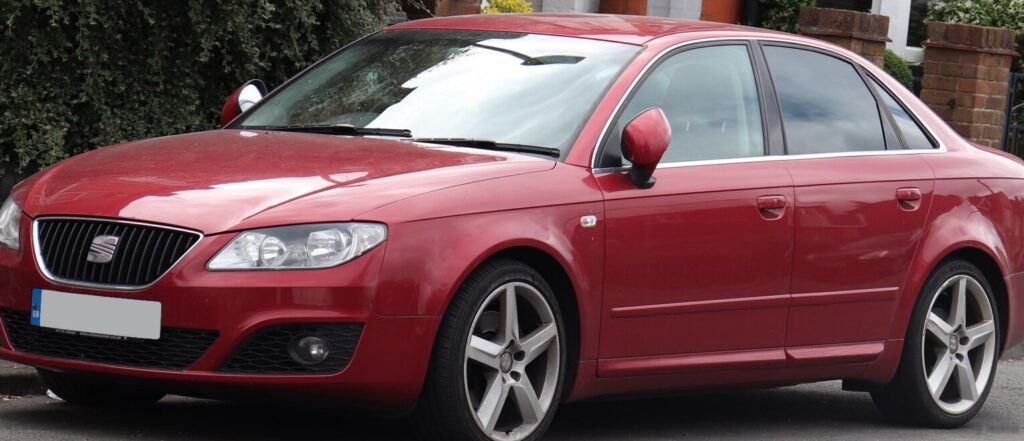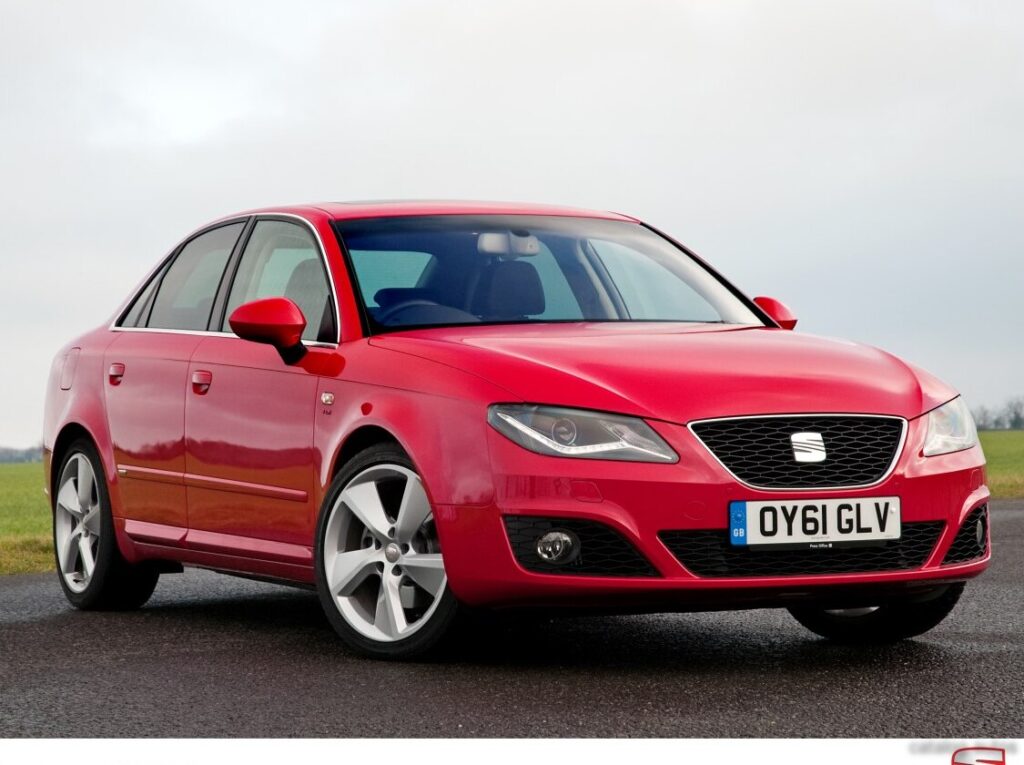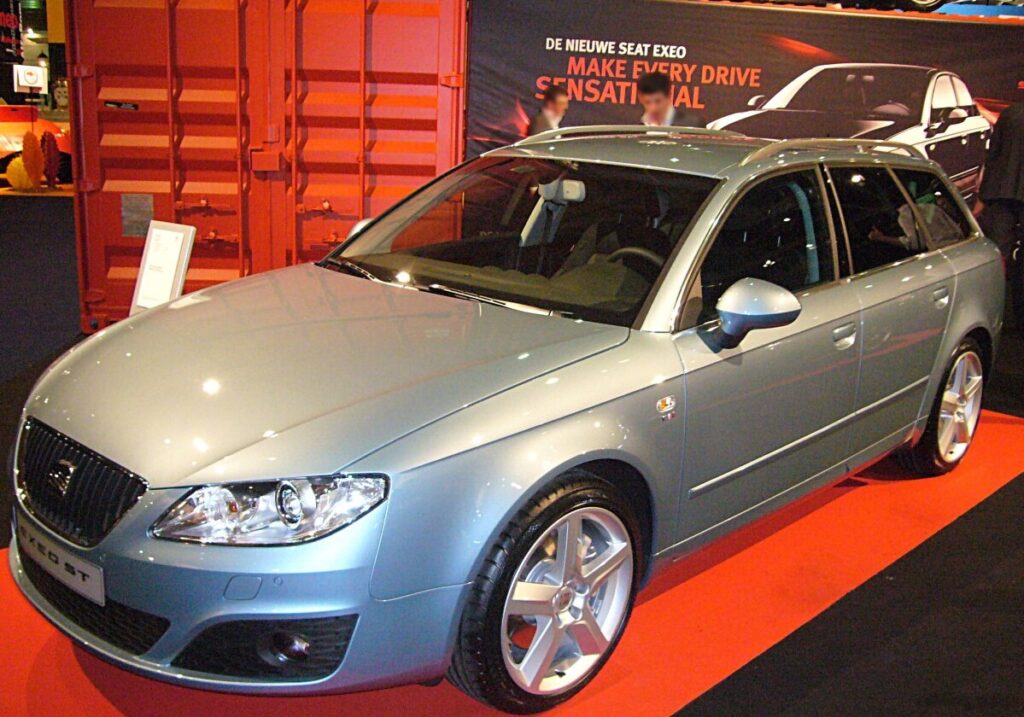
The Seat Exeo ST 2.0 TDI (170 hp) was a station wagon (estate) produced by the Spanish automobile manufacturer Seat between May 2009 and September 2011. It represented a significant offering in the mid-size segment, leveraging the platform and many components from the Audi A4 B7 generation, a result of Seat’s ownership under the Volkswagen Group. The “ST” designation signified the “Sport Tourer” or station wagon body style. This particular 2.0 TDI variant occupied a mid-range position within the Exeo ST lineup, offering a balance between performance, fuel efficiency, and practicality, appealing to buyers seeking a versatile family vehicle. It was positioned above the lower-powered TDI models and below the more expensive petrol variants.
Powertrain & Engine Architecture
The heart of the Exeo ST 2.0 TDI was the Volkswagen Group’s common rail diesel engine, specifically the CAHA or CGLB engine code, depending on the specific production date and market. This 1968 cc (120.09 cu. in.) inline-four cylinder engine featured a turbocharger with an intercooler to enhance power output and efficiency. The engine employed a sophisticated common rail direct injection system, delivering fuel directly into the combustion chamber at extremely high pressure. This system, coupled with four valves per cylinder, contributed to improved combustion efficiency and reduced emissions. The engine’s compression ratio was a high 18.5:1, typical for diesel engines, maximizing energy extraction from the fuel. The engine oil capacity was 4.3 liters (4.54 US qt | 3.78 UK qt) and required a specification adhering to Volkswagen Group standards. A diesel particulate filter (DPF) was standard equipment to meet Euro 5 emission regulations.
Transmission
The Exeo ST 2.0 TDI was primarily equipped with a 6-speed manual transmission. This gearbox was designed to handle the engine’s 350 Nm (258.15 lb.-ft.) of torque effectively. The gear ratios were tuned to provide a balance between acceleration and fuel economy. First gear was relatively short for quick take-offs, while higher gears were geared for efficient cruising at highway speeds. While an automatic transmission was offered on some Exeo models, it was less common with the 2.0 TDI engine, and the manual was the more frequently encountered configuration.
Driving Characteristics
The 2.0 TDI engine in the Exeo ST provided a noticeable step up in performance compared to the lower-powered diesel options. With 170 hp at 4200 rpm and 350 Nm of torque available from 1800 rpm, the Exeo ST offered strong acceleration and effortless cruising. The 0-100 km/h (0-62 mph) sprint took approximately 8.6 seconds, and 0-60 mph was achieved in around 8.2 seconds. The turbocharger provided a noticeable boost in power, delivering strong mid-range acceleration for overtaking maneuvers. The manual transmission allowed for precise control over gear selection, enabling drivers to maximize the engine’s performance. Compared to the petrol versions, the 2.0 TDI offered superior fuel economy and torque, making it a more practical choice for long-distance driving and carrying heavy loads. However, the petrol engines generally provided a smoother and more refined driving experience.
Equipment & Trim Levels
The Exeo ST 2.0 TDI typically came with a reasonably well-equipped standard specification. Standard features generally included air conditioning, electric front windows, central locking, an audio system with CD player, and ABS brakes. Interior upholstery was typically cloth, although leather options were available as upgrades. The dashboard layout was functional and ergonomically designed, inheriting many elements from the Audi A4 B7. Optional extras included alloy wheels, a sunroof, parking sensors, a navigation system, and upgraded audio systems. Higher trim levels, such as the Sport or Stylance, added features like automatic climate control, rain-sensing wipers, and more luxurious interior trim. The ST’s rear seats folded down to increase cargo capacity, providing flexibility for carrying larger items. Trunk space ranged from 442 liters (15.61 cu. ft.) with the seats up to 1354 liters (47.82 cu. ft.) with the seats folded down.
Chassis & Braking
The Exeo ST’s chassis was based on the Audi A4 B7 platform, providing a solid and well-engineered foundation. The front suspension utilized a double wishbone setup, while the rear suspension employed an independent multi-link spring suspension with a stabilizer bar. This configuration delivered a comfortable ride and good handling characteristics. The Exeo ST 2.0 TDI was equipped with ventilated disc brakes at the front and solid disc brakes at the rear. ABS (Anti-lock Braking System) was standard, enhancing braking performance and stability. The steering system was a hydraulic power steering rack and pinion, providing precise and responsive steering feel. Tire sizes varied depending on the trim level, ranging from 205/55 R16 to 225/45 R17 and 225/40 R18. Wheel rim sizes correspondingly ranged from 7J x 16 to 8J x 18.
Market Reception & Comparison
The Seat Exeo ST 2.0 TDI was generally well-received by automotive critics. It was praised for its spacious interior, comfortable ride, and strong diesel engine. The station wagon body style added practicality, making it a suitable choice for families. Fuel economy was a significant strength, with combined fuel consumption figures of around 5.9 l/100 km (39.9 US mpg / 47.9 UK mpg). Compared to other trims in the Exeo ST lineup, the 2.0 TDI offered a compelling balance between performance and economy. The lower-powered TDI models were more affordable but lacked the same level of performance, while the petrol versions were more expensive and less fuel-efficient. Compared to rivals like the Ford Mondeo Estate and Volkswagen Passat Variant, the Exeo ST offered a distinctive Spanish flair and a competitive price point.
Technical Specifications
| Brand | Seat |
| Model | Exeo ST |
| Generation | Exeo ST |
| Type (Engine) | 2.0 TDI (170 Hp) |
| Start of production | May, 2009 |
| End of production | September, 2011 |
| Powertrain Architecture | Internal Combustion engine |
| Body type | Station wagon (estate) |
| Seats | 5 |
| Doors | 5 |
| Fuel consumption (urban) | 8.1 l/100 km (29 US mpg / 34.9 UK mpg) |
| Fuel consumption (extra urban) | 4.6 l/100 km (51.1 US mpg / 61.4 UK mpg) |
| Fuel consumption (combined) | 5.9 l/100 km (39.9 US mpg / 47.9 UK mpg) |
| Fuel Type | Diesel |
| Acceleration 0 – 100 km/h | 8.6 sec |
| Acceleration 0 – 62 mph | 8.6 sec |
| Acceleration 0 – 60 mph | 8.2 sec |
| Maximum speed | 224 km/h (139.19 mph) |
| Emission standard | Euro 5 |
| Weight-to-power ratio | 8.9 kg/Hp |
| Weight-to-torque ratio | 4.3 kg/Nm |
| Power | 170 Hp @ 4200 rpm |
| Torque | 350 Nm @ 1800 rpm (258.15 lb.-ft. @ 1800 rpm) |
| Engine layout | Front, Longitudinal |
| Engine Model/Code | CAHA, CGLB |
| Engine displacement | 1968 cm3 (120.09 cu. in.) |
| Number of cylinders | 4 |
| Engine configuration | Inline |
| Cylinder Bore | 81 mm (3.19 in.) |
| Piston Stroke | 95.5 mm (3.76 in.) |
| Compression ratio | 18.5:1 |
| Number of valves per cylinder | 4 |
| Fuel injection system | Diesel Commonrail |
| Engine aspiration | Turbocharger, Intercooler |
| Engine oil capacity | 4.3 l (4.54 US qt | 3.78 UK qt) |
| Coolant | 8 l (8.45 US qt | 7.04 UK qt) |
| Kerb Weight | 1515 kg (3340 lbs.) |
| Max. weight | 2075 kg (4574.59 lbs.) |
| Max load | 560 kg (1234.59 lbs.) |
| Trunk (boot) space – minimum | 442 l (15.61 cu. ft.) |
| Trunk (boot) space – maximum | 1354 l (47.82 cu. ft.) |
| Fuel tank capacity | 70 l (18.49 US gal | 15.4 UK gal) |
| Length | 4670 mm (183.86 in.) |
| Width | 1772 mm (69.76 in.) |
| Height | 1430 mm (56.3 in.) |
| Wheelbase | 2642 mm (104.02 in.) |
| Drivetrain Architecture | Front wheel drive |
| Number of gears and type of gearbox | 6 gears, manual transmission |
Legacy
The Seat Exeo ST 2.0 TDI, while relatively short-lived in production, has established a reputation as a reliable and practical used car. The Volkswagen Group’s diesel engines, particularly the 2.0 TDI, are known for their durability and fuel efficiency. However, like all diesel engines, they can be susceptible to issues with the DPF and fuel injectors if not properly maintained. The Exeo ST’s Audi A4-derived platform provides a solid and dependable base. Today, the Exeo ST 2.0 TDI represents a relatively affordable option for buyers seeking a spacious and economical station wagon. Its blend of practicality, performance, and value continues to make it a popular choice in the used car market.