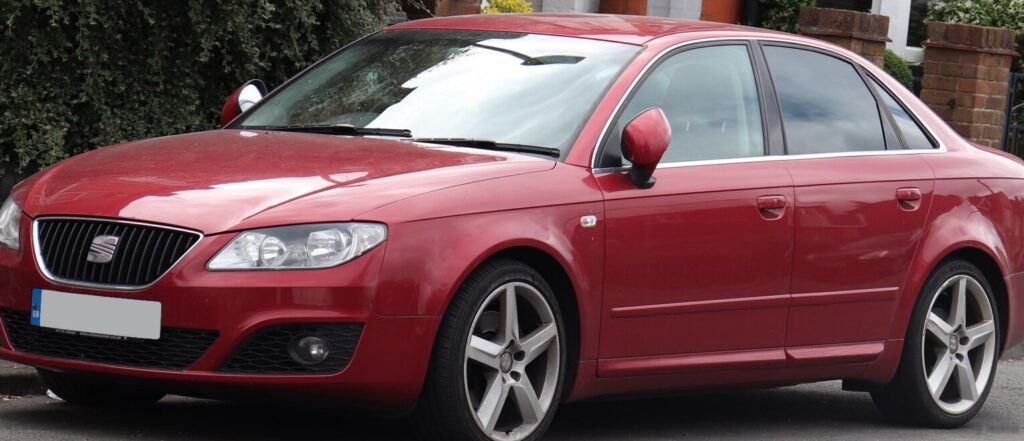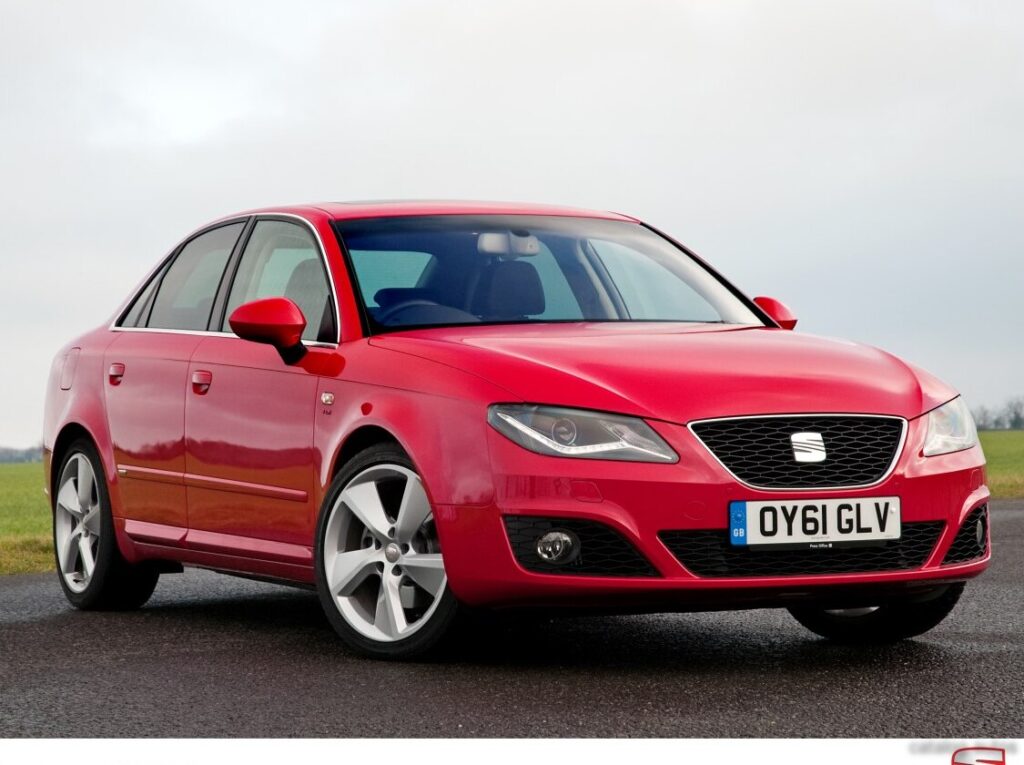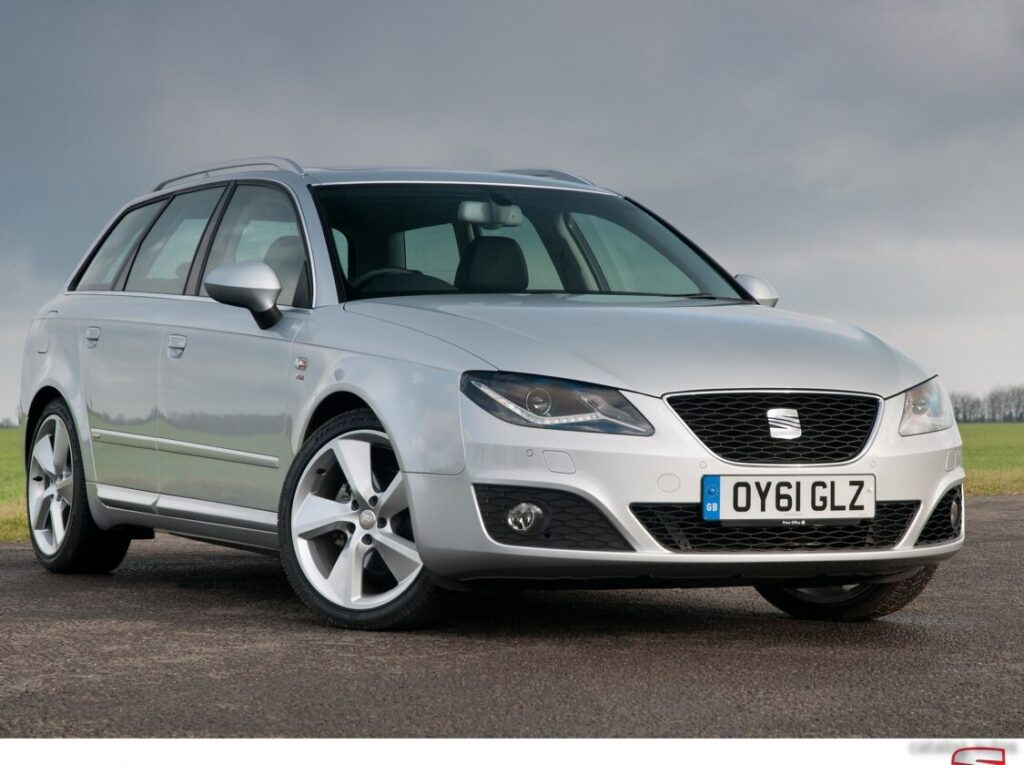
The Seat Exeo ST 1.8 TSI (160 hp) was a station wagon (estate) model produced by the Spanish automaker Seat from September 2011 to May 2013. This variant represented a mid-range offering within the Exeo ST lineup, positioned above the base models and below the more powerful TSI variants and diesel options. Built on the Volkswagen Group’s B7 (1HX0/A3) platform – shared with the Audi A4 and Škoda Superb of the same era – the Exeo ST aimed to provide a practical and stylish alternative in the competitive mid-size family car segment. The facelifted 2011 model year brought revised styling cues and minor equipment upgrades compared to the original Exeo launched in 2008.
Powertrain & Engine Architecture
The heart of the Exeo ST 1.8 TSI was the EA888 series 1.8-liter turbocharged four-cylinder gasoline engine, specifically the CDHB engine code. This engine was a key component of the Volkswagen Group’s modular engine family, known for its blend of performance and efficiency. The EA888 featured direct fuel injection (FSI), a sophisticated engine management system, and a single turbocharger with an intercooler. This configuration allowed for a power output of 160 horsepower (hp) at 4,500-6,200 rpm and 250 Newton-meters (184.39 lb-ft) of torque available from 1,500-4,500 rpm. The engine utilized a double overhead camshaft (DOHC) valvetrain with four valves per cylinder, contributing to its responsive nature.
The Exeo ST 1.8 TSI was primarily offered with a six-speed manual transmission, driving the front wheels. While an automatic transmission was available as an option, it was a conventional torque converter automatic, not a dual-clutch system like those found in some other VW Group vehicles. The automatic transmission was designed to provide smooth shifts and ease of driving, particularly in urban environments, but at the cost of some performance and fuel economy compared to the manual.
Engine Specifications
The 1.8 TSI engine boasted a bore of 82.5 mm (3.25 in) and a stroke of 84.2 mm (3.31 in), resulting in a displacement of 1798 cm³ (109.72 cu. in). It featured a compression ratio of 9.6:1. Engine oil capacity was 4.6 liters (4.86 US qt | 4.05 UK qt), and the recommended oil specification adhered to Volkswagen Group standards.
Driving Characteristics
The Exeo ST 1.8 TSI offered a balanced driving experience. Acceleration from 0 to 100 km/h (0-62 mph) took approximately 8.9 seconds, while 0-60 mph was achieved in around 8.5 seconds. Top speed was rated at 218 km/h (135.46 mph). The turbocharger provided a noticeable boost in power, particularly in the mid-range, making overtaking maneuvers relatively effortless. However, it wasn’t a particularly sporty vehicle; the focus was more on comfortable cruising and everyday usability. Compared to the higher-output 2.0 TSI variants, the 1.8 TSI felt less eager to rev and offered a slightly less engaging driving experience. The manual transmission allowed for greater driver control, while the automatic prioritized convenience.
The gear ratios in the six-speed manual transmission were well-chosen for both fuel efficiency and performance. First gear was relatively short for quick acceleration, while sixth gear was geared for relaxed highway cruising. The automatic transmission, while smooth, could sometimes feel hesitant during downshifts, and didn’t offer the same level of responsiveness as the manual.
Equipment & Trim Levels
The Exeo ST 1.8 TSI typically came equipped with a respectable level of standard features. These included air conditioning, electric front windows, power-adjustable mirrors, a CD stereo system with MP3 compatibility, and alloy wheels. Safety features such as ABS (Anti-lock Braking System), traction control, and front airbags were also standard. Higher trim levels offered additional features such as climate control, a touchscreen infotainment system, rear parking sensors, and leather upholstery. Optional extras included a sunroof, navigation system, and upgraded audio systems.
Interior upholstery was typically cloth in the base models, with leather options available on higher trims. The dashboard layout was functional and well-built, reflecting the Exeo’s origins as a platform-shared vehicle with Audi and Škoda. The Exeo ST offered a spacious cabin for passengers and a generous cargo area, making it a practical choice for families.
Chassis & Braking
The Exeo ST’s chassis featured independent multi-link suspension at the front and an independent trapezoidal lever suspension at the rear, both incorporating a transverse stabilizer bar. This setup provided a comfortable ride quality and decent handling characteristics. The front brakes were ventilated discs measuring 312×25 mm, while the rear brakes were solid discs measuring 255×12 mm. The steering was a hydraulic power-assisted rack and pinion system, offering a reasonably direct and responsive feel.
The Exeo ST 1.8 TSI’s kerb weight of 1480 kg (3262.84 lbs) influenced its handling and braking performance. The weight distribution was relatively balanced, contributing to predictable cornering behavior. Tire sizes typically ranged from 225/45 R17 to 225/40 R18, depending on the trim level and wheel size.
Market Reception & Comparison
The Seat Exeo ST 1.8 TSI was generally well-received by automotive critics. It was praised for its spacious interior, comfortable ride, and decent performance. However, some reviewers noted that it lacked the brand cachet of its Audi A4 sibling and that the interior design, while functional, wasn’t particularly exciting. Fuel economy was respectable, with combined fuel consumption figures of around 7.4 l/100 km (31.8 US mpg / 38.2 UK mpg).
Compared to the 2.0 TSI variants, the 1.8 TSI offered a more affordable entry point into the Exeo ST range, but at the cost of some performance. The diesel models (primarily the 2.0 TDI) offered superior fuel economy but were generally more expensive to purchase. The 1.8 TSI appealed to buyers who prioritized a balance of performance, fuel efficiency, and affordability.
Technical Specifications
| Brand | Seat |
| Model | Exeo ST |
| Generation | Exeo ST (facelift 2011) |
| Type (Engine) | 1.8 TSI (160 Hp) |
| Start of production | September, 2011 |
| End of production | May, 2013 |
| Powertrain Architecture | Internal Combustion engine |
| Body type | Station wagon (estate) |
| Seats | 5 |
| Doors | 5 |
| Fuel consumption (urban) | 10.4 l/100 km (22.6 US mpg / 27.2 UK mpg) |
| Fuel consumption (extra urban) | 5.7 l/100 km (41.3 US mpg / 49.6 UK mpg) |
| Fuel consumption (combined) | 7.4 l/100 km (31.8 US mpg / 38.2 UK mpg) |
| CO2 emissions | 172 g/km |
| Fuel Type | Petrol (Gasoline) |
| Acceleration 0 – 100 km/h | 8.9 sec |
| Acceleration 0 – 62 mph | 8.9 sec |
| Acceleration 0 – 60 mph | 8.5 sec |
| Maximum speed | 218 km/h (135.46 mph) |
| Emission standard | Euro 5 |
| Weight-to-power ratio | 9.3 kg/Hp |
| Weight-to-torque ratio | 5.9 kg/Nm |
| Power | 160 Hp @ 4500-6200 rpm |
| Torque | 250 Nm @ 1500-4500 rpm (184.39 lb.-ft.) |
| Engine layout | Front, Longitudinal |
| Engine Model/Code | EA888 / CDHB |
| Engine displacement | 1798 cm3 (109.72 cu. in.) |
| Number of cylinders | 4 |
| Engine configuration | Inline |
| Cylinder Bore | 82.5 mm (3.25 in.) |
| Piston Stroke | 84.2 mm (3.31 in.) |
| Compression ratio | 9.6:1 |
| Number of valves per cylinder | 4 |
| Fuel injection system | Direct injection |
| Engine aspiration | Turbocharger, Intercooler |
| Valvetrain | DOHC |
| Engine oil capacity | 4.6 l (4.86 US qt | 4.05 UK qt) |
| Kerb Weight | 1480 kg (3262.84 lbs.) |
| Max. weight | 2040 kg (4497.43 lbs.) |
| Trunk (boot) space – minimum | 422 l (14.9 cu. ft.) |
| Trunk (boot) space – maximum | 1354 l (47.82 cu. ft.) |
| Fuel tank capacity | 70 l (18.49 US gal | 15.4 UK gal) |
| Length | 4666 mm (183.7 in.) |
| Width | 1772 mm (69.76 in.) |
| Height | 1454 mm (57.24 in.) |
| Wheelbase | 2642 mm (104.02 in.) |
Legacy
The Seat Exeo ST, including the 1.8 TSI variant, has developed a reputation for being a reliable and practical family car. The EA888 engine, while not without its potential issues (such as carbon buildup), is generally considered durable when properly maintained. Today, used examples of the Exeo ST 1.8 TSI can be found at relatively affordable prices, making them an attractive option for buyers seeking a spacious and well-equipped station wagon. However, potential buyers should be aware of the age of the vehicles and the importance of regular maintenance to ensure continued reliability. Parts availability is generally good, given the Exeo’s Volkswagen Group origins.