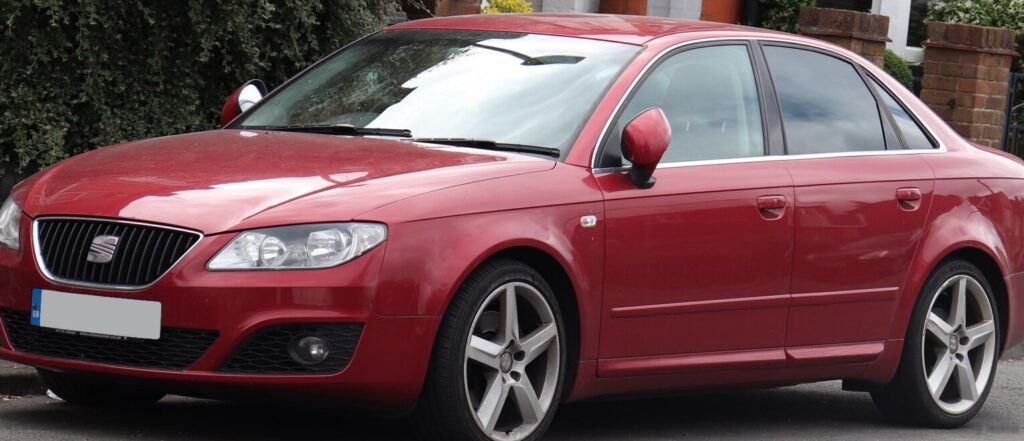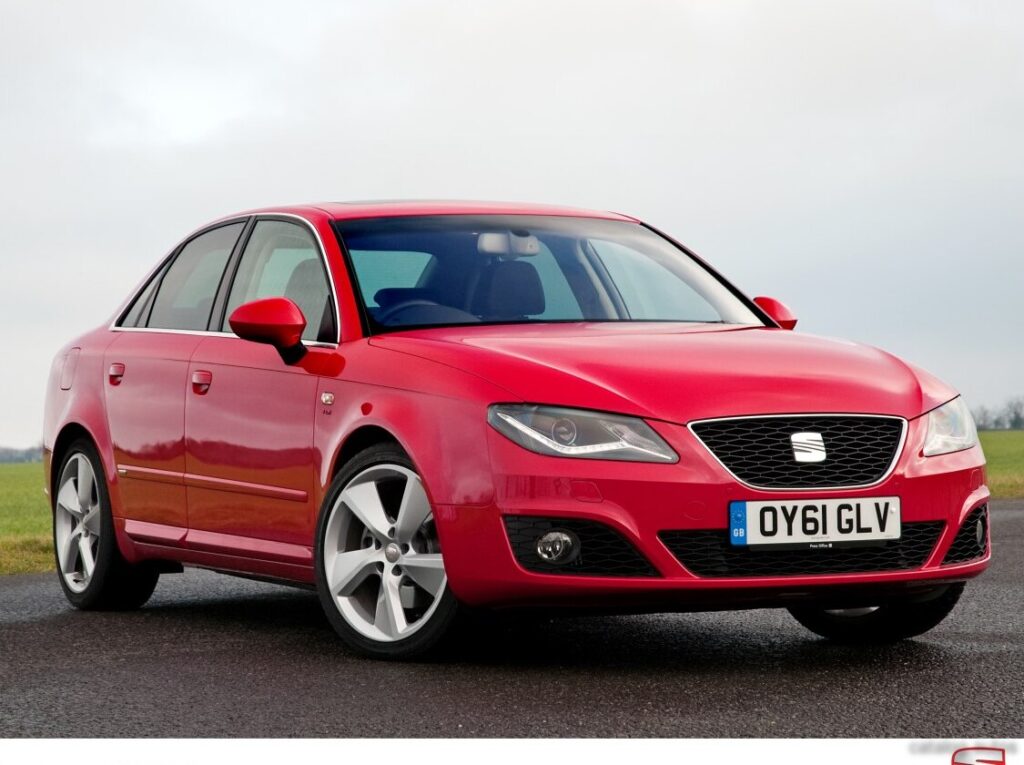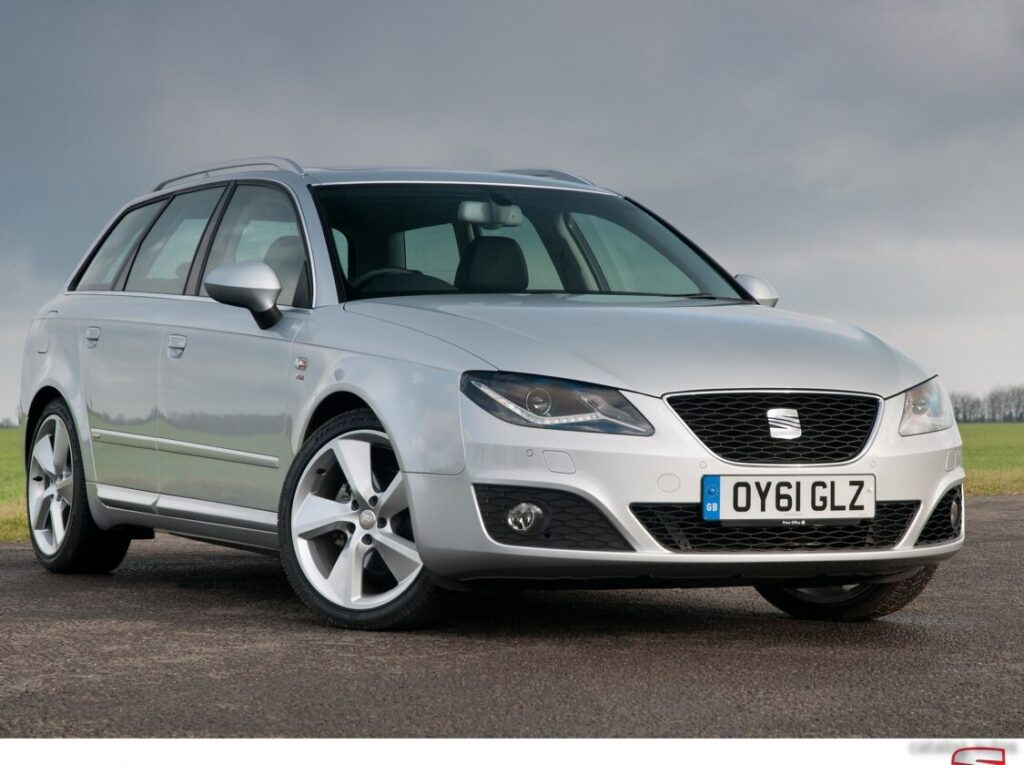
The Seat Exeo ST 2.0 TDI (120 hp) was a station wagon (estate) produced by the Spanish automaker Seat between September 2011 and May 2013. This variant represented a mid-range offering within the facelifted second generation of the Exeo ST, positioned between the lower-powered diesel options and the more potent petrol variants. Built on the Volkswagen Group’s B7 (1HX0/A3) platform – shared with the Audi A4 and Škoda Superb – the Exeo ST aimed to provide a practical and refined alternative in the competitive mid-size family car segment. The facelift brought styling updates and minor equipment revisions to the Exeo range, enhancing its appeal.
Powertrain & Engine Architecture
The heart of the Exeo ST 2.0 TDI (120 hp) is the Volkswagen Group’s EA189 series 2.0-liter inline four-cylinder diesel engine, specifically identified by the engine code CJCC. This engine is a turbocharged common rail direct injection diesel. It features a single overhead camshaft (SOHC) design operating four valves per cylinder (DOHC). The turbocharger, coupled with an intercooler, provides increased air density for improved combustion and power output. The common rail direct injection system, operating at a maximum pressure of 1600 bar, ensures precise fuel delivery and optimized combustion efficiency.
The 2.0 TDI engine produces 120 horsepower (hp) at 4000 rpm and 290 Newton-meters (213.89 lb-ft) of torque between 1750 and 2500 rpm. This configuration was typically paired with a six-speed manual transmission, driving the front wheels. While an automatic transmission was available on some Exeo models, it was less common with this specific engine output. The engine’s longitudinal mounting allowed for efficient packaging within the B7 platform.
Fuel Injection and Valvetrain
The CJCC engine utilizes a Bosch common rail system, known for its reliability and efficiency. The fuel injectors are solenoid-operated, delivering highly atomized fuel directly into the combustion chamber. The DOHC valvetrain, with its four valves per cylinder, enhances volumetric efficiency and contributes to the engine’s broad torque curve. The engine also incorporates a diesel particulate filter (DPF) to reduce harmful emissions, meeting Euro 5 standards.
Driving Characteristics
The Exeo ST 2.0 TDI (120 hp) offered a balanced driving experience, prioritizing fuel economy and usability over outright performance. Acceleration from 0 to 100 km/h (0-62 mph) took approximately 10.9 seconds, while 0-60 mph was achieved in around 10.4 seconds. The maximum speed was rated at 196 km/h (121.79 mph). The engine’s peak torque, available from relatively low engine speeds, provided adequate pulling power for everyday driving and overtaking maneuvers.
Compared to the higher-output 170 hp TDI variant, the 120 hp version felt noticeably less responsive, particularly at higher speeds. However, the six-speed manual transmission allowed drivers to keep the engine within its optimal power band. The gear ratios were well-chosen to maximize fuel efficiency and provide smooth progress. The Exeo ST’s suspension, tuned for comfort, delivered a compliant ride, although it wasn’t as sporty as some of its rivals. The front-wheel-drive configuration provided predictable handling, but could exhibit some torque steer under hard acceleration.
Equipment & Trim Levels
The Exeo ST 2.0 TDI (120 hp) typically came equipped with a reasonable level of standard features. These included air conditioning, electric front windows, central locking, a basic audio system, and alloy wheels. Safety features such as ABS (Anti-lock Braking System) and front airbags were also standard. Higher trim levels, such as Sport or Stylance, added features like climate control, rear parking sensors, a more advanced audio system, and leather upholstery. Optional extras included a sunroof, navigation system, and bi-xenon headlights.
Interior upholstery was typically cloth on the base models, with leather options available on higher trims. The dashboard layout was functional and well-built, reflecting the Exeo’s Volkswagen Group origins. The Exeo ST offered a spacious cabin and a generous cargo area, making it a practical choice for families.
Chassis & Braking
The Exeo ST’s chassis featured independent suspension all around. The front suspension utilized a multi-link setup with a transverse stabilizer bar, while the rear suspension employed a trapezoidal lever design, also with a stabilizer bar. This configuration provided a good balance between ride comfort and handling. The braking system consisted of ventilated discs on the front wheels (288×25 mm) and solid discs on the rear wheels (245×10 mm). The hydraulic power steering provided precise and responsive steering feel.
The Exeo ST’s kerb weight of 1490 kg (3284.89 lbs) influenced its handling and braking performance. The weight distribution was reasonably balanced, contributing to stable cornering. The ABS system helped to prevent wheel lock-up during hard braking, enhancing safety.
Market Reception & Comparison
The Seat Exeo ST 2.0 TDI (120 hp) received generally positive reviews from automotive critics. It was praised for its comfortable ride, spacious interior, and fuel efficiency. However, some critics noted that its styling was somewhat conservative and that its driving dynamics weren’t as engaging as some of its rivals, such as the Ford Mondeo or Mazda 6. Fuel economy was a strong point, with combined fuel consumption figures of around 5 l/100 km (47 US mpg or 56.5 UK mpg).
Compared to the higher-powered TDI variants, the 120 hp version offered a more affordable entry point into the Exeo ST range. However, it lacked the performance and refinement of its more powerful siblings. In terms of reliability, the EA189 engine was generally considered to be robust, although some early versions were affected by DPF issues. The Exeo ST’s build quality was generally good, reflecting its Volkswagen Group heritage.
Technical Specifications
| Brand | Seat |
| Model | Exeo ST |
| Generation | Exeo ST (facelift 2011) |
| Type (Engine) | 2.0 TDI (120 Hp) |
| Start of production | September, 2011 |
| End of production | May, 2013 |
| Fuel consumption (urban) | 6.5 l/100 km (36.2 US mpg) |
| Fuel consumption (extra urban) | 4.2 l/100 km (56 US mpg) |
| Fuel consumption (combined) | 5 l/100 km (47 US mpg) |
| CO2 emissions | 132 g/km |
| Fuel Type | Diesel |
| Acceleration 0 – 100 km/h | 10.9 sec |
| Acceleration 0 – 62 mph | 10.9 sec |
| Acceleration 0 – 60 mph | 10.4 sec |
| Maximum speed | 196 km/h (121.79 mph) |
| Emission standard | Euro 5 |
| Power | 120 Hp @ 4000 rpm |
| Torque | 290 Nm @ 1750-2500 rpm (213.89 lb.-ft.) |
| Engine layout | Front, Longitudinal |
| Engine Model/Code | EA189 / CJCC |
| Engine displacement | 1968 cm3 (120.09 cu. in.) |
| Number of cylinders | 4 |
| Cylinder Bore | 81 mm (3.19 in.) |
| Piston Stroke | 95.5 mm (3.76 in.) |
| Compression ratio | 16.5:1 |
| Engine oil capacity | 4.6 l (4.86 US qt | 4.05 UK qt) |
| Coolant | 7.5 l (7.93 US qt | 6.6 UK qt) |
| Kerb Weight | 1490 kg (3284.89 lbs.) |
| Max. weight | 2050 kg (4519.48 lbs.) |
| Trunk (boot) space – minimum | 422 l (14.9 cu. ft.) |
| Trunk (boot) space – maximum | 1354 l (47.82 cu. ft.) |
| Fuel tank capacity | 70 l (18.49 US gal | 15.4 UK gal) |
| Length | 4666 mm (183.7 in.) |
| Width | 1772 mm (69.76 in.) |
| Height | 1454 mm (57.24 in.) |
Legacy
The Seat Exeo ST 2.0 TDI (120 hp) remains a relatively affordable and practical used car option. The EA189 engine, while prone to some issues, is generally reliable if properly maintained. The Exeo ST’s spacious interior and generous cargo capacity make it a good choice for families. However, potential buyers should be aware of the potential for DPF problems and ensure that the vehicle has been regularly serviced. The Exeo ST, while not a sales success for Seat, represents a well-engineered and comfortable estate car that offers good value for money on the used market.