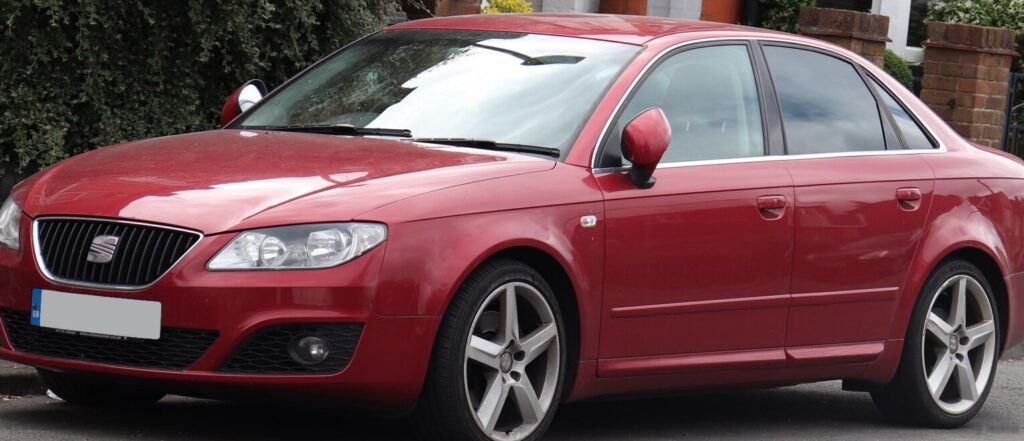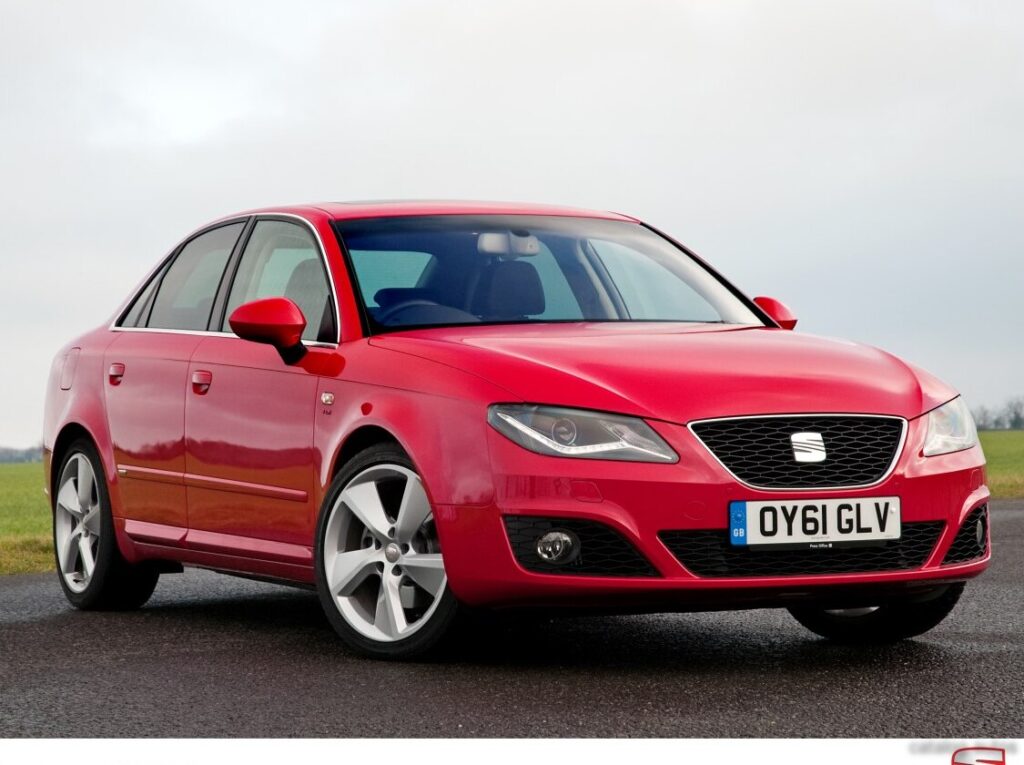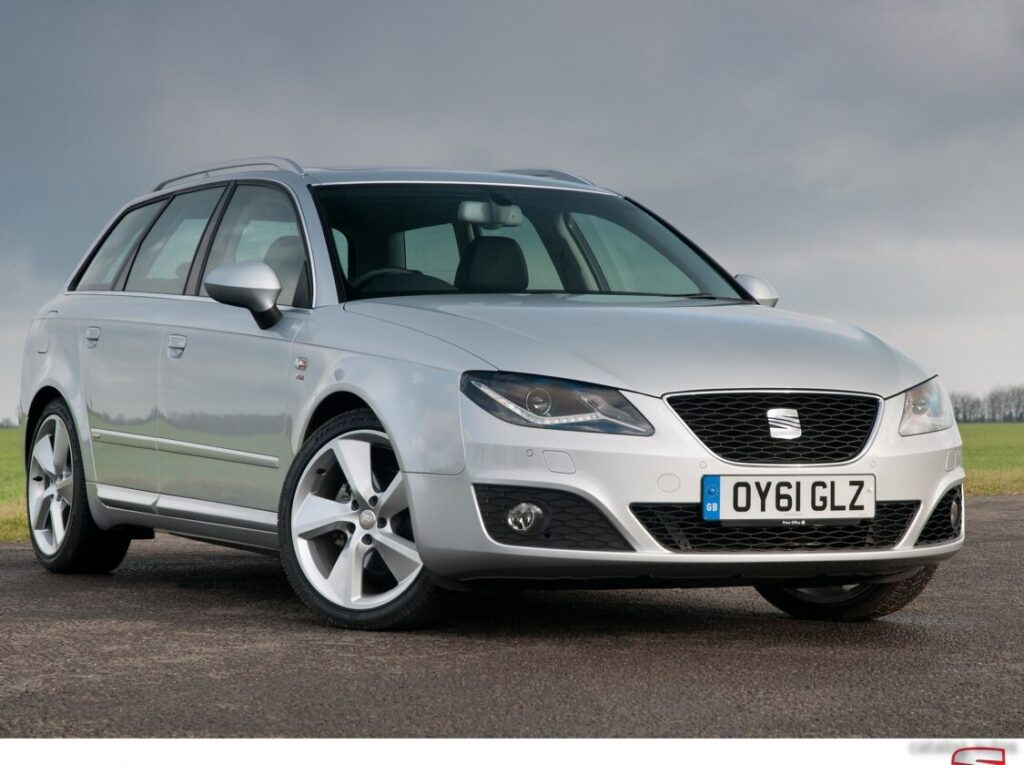
The Seat Exeo ST 2.0 TDI Ecomotive, produced from September 2011 to May 2013, was a station wagon (estate) variant of the Exeo model line. Positioned as a fuel-efficient option within the Exeo ST range, it aimed to provide a balance between practicality, performance, and economy. The Exeo itself was a significant vehicle for SEAT, representing their first foray into the mid-size executive car segment, built upon the Volkswagen Group’s B7 platform (also known as the 1HX0/A3 platform, shared with the Audi A4 and Volkswagen Passat of the same era). The Ecomotive designation signified enhanced fuel-saving technologies and a focus on reduced emissions.
Powertrain & Engine Architecture
The heart of the Exeo ST 2.0 TDI Ecomotive is the EA189 series 2.0-liter inline four-cylinder diesel engine, specifically the CJCA engine code. This engine is a turbocharged common rail direct injection diesel, producing 143 horsepower (hp) at 4200 rpm and 320 Newton-meters (236.02 lb-ft) of torque between 1750 and 2500 rpm. The engine features a single overhead camshaft (SOHC) design per cylinder bank (DOHC overall) operating four valves per cylinder. The turbocharger, coupled with an intercooler, provides increased air density for improved combustion and power output. The common rail diesel injection system delivers fuel at extremely high pressure, optimizing fuel atomization and combustion efficiency.
The Ecomotive variant was typically paired with a six-speed manual transmission, driving the front wheels. While an automatic transmission was available on other Exeo models, the Ecomotive version prioritized fuel economy and was almost exclusively offered with the manual gearbox. The transmission’s gear ratios were tuned to maximize efficiency and provide adequate acceleration. The engine layout is longitudinal, meaning the engine is mounted lengthwise in the engine bay, a configuration common in front-wheel-drive vehicles derived from the Volkswagen Group’s longitudinal platform.
Fuel Injection and Emissions Control
The CJCA engine utilizes a piezo common rail system, known for its precise fuel delivery and reduced noise compared to older solenoid-based systems. This contributes to the engine’s refined operation and improved fuel economy. To meet Euro 5 emission standards, the Exeo ST 2.0 TDI Ecomotive incorporates a diesel particulate filter (DPF) to trap soot particles, and an oxidation catalytic converter to reduce harmful emissions. The Start & Stop system, standard on the Ecomotive, automatically shuts off the engine when the vehicle is stationary (e.g., at traffic lights) to further reduce fuel consumption and emissions.
Driving Characteristics
The Exeo ST 2.0 TDI Ecomotive offered a comfortable and refined driving experience, prioritizing fuel efficiency over outright performance. Acceleration from 0 to 100 km/h (0-62 mph) takes approximately 9.6 seconds, while 0-60 mph is achieved in around 9.1 seconds. The maximum speed is rated at 210 km/h (130.49 mph). The engine delivers strong low-end torque, making it well-suited for everyday driving and overtaking maneuvers. However, compared to the more powerful 2.0 TDI variants (producing up to 170 hp) or the petrol-powered Exeo models, the Ecomotive feels less responsive at higher engine speeds. The six-speed manual transmission provides precise gear changes, allowing drivers to maintain optimal engine speed for efficiency or performance. The steering is light and accurate, providing good feedback without being overly sporty.
Equipment & Trim Levels
The Exeo ST 2.0 TDI Ecomotive typically came with a well-equipped standard specification, reflecting its position as a mid-range offering. Standard features included air conditioning, electric front windows, electric door mirrors, a CD stereo system, and alloy wheels. Safety features such as ABS (Anti-lock Braking System), traction control, and multiple airbags were also standard. Interior upholstery was typically cloth, with options for leather upgrades. The dashboard layout was functional and ergonomically designed, with a clear instrument cluster and intuitive controls. Optional extras included a navigation system, parking sensors, a sunroof, and upgraded audio systems. The Ecomotive trim often featured unique badging and styling cues to differentiate it from other Exeo ST models.
Chassis & Braking
The Exeo ST 2.0 TDI Ecomotive utilizes an independent multi-link suspension system at the front, providing a comfortable ride and good handling characteristics. The rear suspension employs an independent on trapezoidal lever setup, also with a transverse stabilizer bar. This configuration helps to minimize body roll and maintain stability during cornering. The braking system consists of ventilated discs at the front (288×25 mm) and solid discs at the rear (245×10 mm). The hydraulic power steering provides a responsive and precise steering feel. Tire sizes varied depending on the trim level, ranging from 205/55 R16 to 225/45 R17 and 225/40 R18.
Market Reception & Comparison
The Seat Exeo ST 2.0 TDI Ecomotive was generally well-received by automotive critics for its fuel efficiency and practicality. It offered a compelling alternative to more expensive executive estate cars from premium brands. Fuel economy figures were impressive, with a combined fuel consumption of 4.5 l/100 km (52.3 US mpg, 62.8 UK mpg), and CO2 emissions of 119 g/km. Compared to the higher-powered Exeo TDI variants, the Ecomotive sacrificed some performance but offered significantly improved fuel economy. Against competitors like the Ford Mondeo Estate and Volkswagen Passat Estate, the Exeo ST Ecomotive held its own in terms of fuel efficiency and value for money. However, it often lagged behind in terms of brand prestige and resale value.
Technical Specifications
| Engine Model/Code | EA189 / CJCA |
| Engine Displacement | 1968 cm3 (120.09 cu. in.) |
| Number of Cylinders | 4, Inline |
| Cylinder Bore | 81 mm (3.19 in.) |
| Piston Stroke | 95.5 mm (3.76 in.) |
| Compression Ratio | 16.5:1 |
| Fuel Injection System | Diesel Commonrail |
| Engine Aspiration | Turbocharger, Intercooler |
| Maximum Power | 143 Hp @ 4200 rpm |
| Maximum Torque | 320 Nm @ 1750-2500 rpm (236.02 lb.-ft.) |
| Fuel Consumption (Urban) | 5.6 l/100 km (42 US mpg, 50.4 UK mpg) |
| Fuel Consumption (Extra Urban) | 3.9 l/100 km (60.3 US mpg, 72.4 UK mpg) |
| Fuel Consumption (Combined) | 4.5 l/100 km (52.3 US mpg, 62.8 UK mpg) |
| CO2 Emissions | 119 g/km |
| Kerb Weight | 1490 kg (3284.89 lbs.) |
| Fuel Tank Capacity | 70 l (18.49 US gal, 15.4 UK gal) |
| Acceleration 0-100 km/h | 9.6 sec |
| Maximum Speed | 210 km/h (130.49 mph) |
Legacy
The Seat Exeo, and specifically the 2.0 TDI Ecomotive variant, has developed a reputation for being a reliable and practical used car. The EA189 engine, while subject to some controversy regarding emissions (leading to software updates for some models), is generally considered durable and capable of high mileage with proper maintenance. Common issues include DPF clogging (particularly on vehicles used primarily for short journeys) and potential problems with the turbocharger. However, these issues are relatively well-documented and can be addressed with preventative maintenance. Today, the Exeo ST 2.0 TDI Ecomotive represents a relatively affordable entry point into the executive estate car segment, offering a good balance of space, economy, and reliability. Its understated styling and comfortable ride continue to appeal to buyers seeking a practical and dependable vehicle.