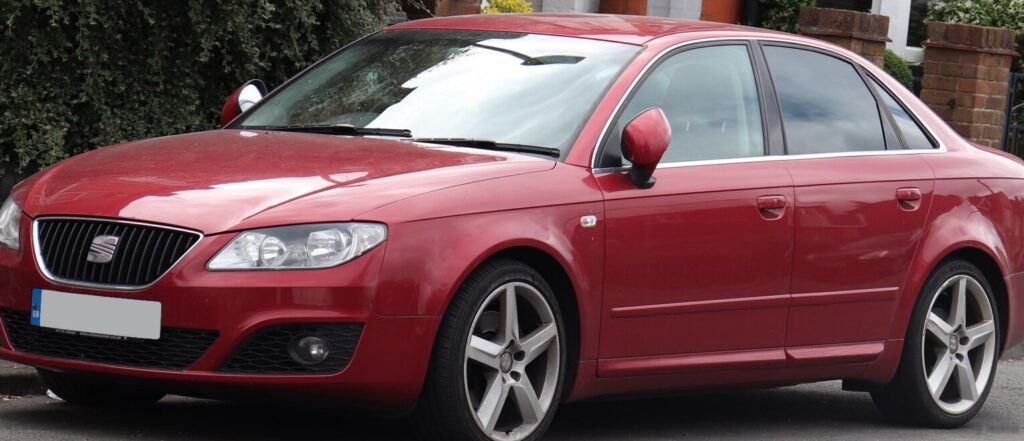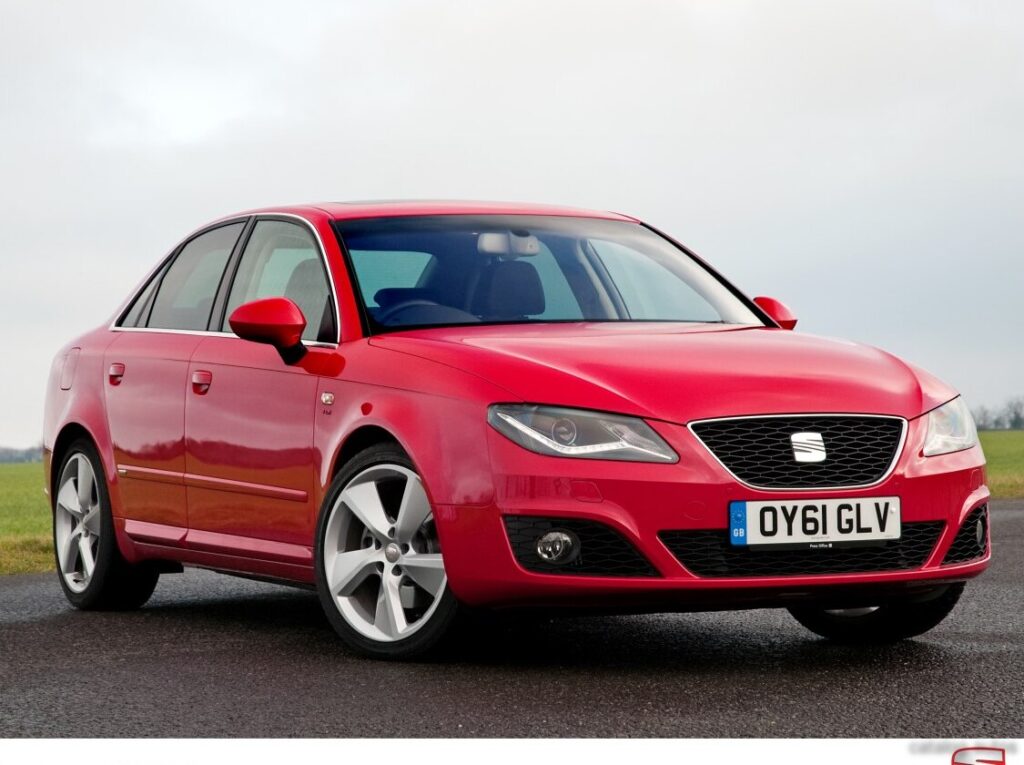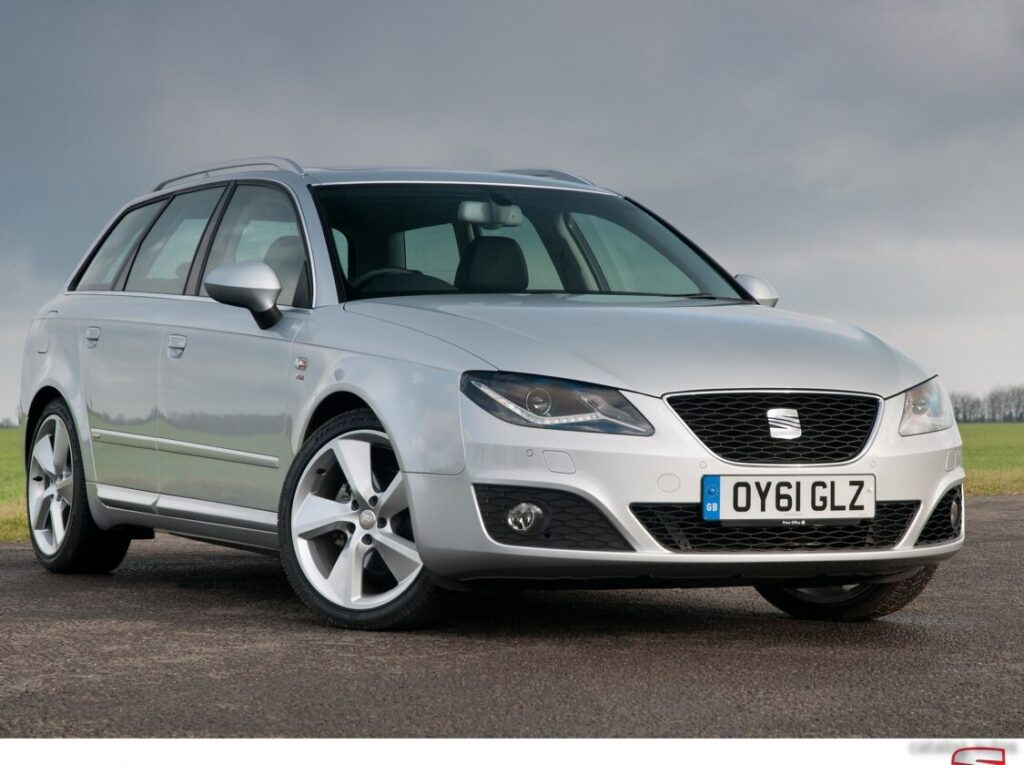
The Seat Exeo ST 2.0 TSI (200 hp) Multitronic, introduced in September 2011 as part of the Exeo ST (station wagon) facelift, represented a performance-oriented variant within the Exeo lineup. Built until October 2012, this model combined a turbocharged gasoline engine with a continuously variable transmission (CVT), marketed as “Multitronic” by the Volkswagen Group. The Exeo ST itself was based on the B7 generation Audi A4, a result of Seat’s collaboration with Audi following their integration into the Volkswagen Group. This variant occupied the upper-mid-range position in the Exeo ST portfolio, offering a balance of practicality, performance, and technology aimed at buyers seeking a more engaging driving experience than the base models.
Powertrain & Engine Architecture
The heart of the Exeo ST 2.0 TSI was the EA113 engine code, specifically the BWE variant. This 1984 cc (121.07 cu. in.) inline-four cylinder engine featured direct fuel injection and a single turbocharger with an intercooler. The engine produced 200 hp (149 kW) at 5100 rpm and 280 Nm (206.52 lb-ft) of torque available from 1800 rpm. The direct injection system allowed for precise fuel delivery, contributing to both performance and efficiency. The engine utilized a double overhead camshaft (DOHC) valvetrain with four valves per cylinder, optimizing gas flow for increased power output.
The “Multitronic” transmission was a Jatco-sourced CVT, offering seamless gear changes and a wide range of ratios. Unlike traditional automatic transmissions with fixed gear steps, the Multitronic used a chain-driven system to provide a virtually infinite number of gear ratios within its operating range. This allowed the engine to operate consistently within its optimal power band. The transmission was designed to handle the engine’s torque output and provide smooth acceleration. The Multitronic transmission featured a Tiptronic mode, allowing drivers to manually select gear ratios for more control.
Engine Specifications (EA113 / BWE)
- Displacement: 1984 cm³ (121.07 cu. in.)
- Cylinder Bore: 82.5 mm (3.25 in.)
- Piston Stroke: 92.8 mm (3.65 in.)
- Compression Ratio: 10.3:1
- Fuel Injection: Direct Injection
- Aspiration: Turbocharged, Intercooled
- Engine Oil Capacity: 4.5 liters (4.76 US qt | 3.96 UK qt)
- Coolant Capacity: 7.5 liters (7.93 US qt | 6.6 UK qt)
Driving Characteristics
The 200 hp 2.0 TSI engine paired with the Multitronic transmission delivered a noticeably more spirited driving experience compared to the lower-powered Exeo ST variants. Acceleration from 0 to 100 km/h (0-62 mph) was achieved in 7.6 seconds, and 0-60 mph in approximately 7.2 seconds. The Multitronic transmission contributed to smooth and linear acceleration, minimizing the sensation of gear changes. While not as overtly sporty as a manual transmission, the Multitronic allowed the driver to keep the engine in its power band for optimal performance. The engine’s torque delivery, peaking at 1800 rpm, provided strong pulling power for overtaking maneuvers and effortless cruising. Compared to the 1.8L TSI models, the 2.0 TSI offered a significant increase in power and torque, resulting in a more responsive and engaging driving experience. The 2.0 TSI was also quicker than the diesel variants, although the diesel engines offered superior fuel economy.
Equipment & Trim Levels
The Exeo ST 2.0 TSI Multitronic typically came well-equipped, reflecting its position as a higher-end trim level. Standard features generally included climate control, power windows and mirrors, a multi-function steering wheel, and an audio system with CD player and auxiliary input. Safety features such as ABS, traction control, and multiple airbags were also standard. Upholstery was typically cloth, although leather upholstery was available as an option. Higher trim levels offered additional features such as a sunroof, navigation system, parking sensors, and upgraded audio systems. The dashboard layout was consistent with other Exeo models, featuring a functional and straightforward design. Optional extras included bi-xenon headlights, heated seats, and a rear parking camera.
Chassis & Braking
The Exeo ST 2.0 TSI utilized an independent multi-link suspension system at the front and an independent trapezoidal lever suspension at the rear, both incorporating a transverse stabilizer bar. This suspension setup provided a good balance between ride comfort and handling. The front suspension geometry was tuned to minimize body roll during cornering, while the rear suspension ensured stability and control. Braking duties were handled by ventilated discs at the front (320×30 mm) and solid discs at the rear (288×12 mm). ABS (Anti-lock Braking System) was standard, enhancing braking performance and safety. The steering system was a hydraulic rack and pinion setup, providing precise and responsive steering feel.
Market Reception & Comparison
The Seat Exeo ST 2.0 TSI Multitronic was generally well-received by automotive critics. Reviewers praised the engine’s performance and the smoothness of the Multitronic transmission. Fuel economy was considered reasonable for a vehicle of its class, with combined fuel consumption figures around 7.7 l/100 km (30.5 US mpg). However, some critics noted that the Multitronic transmission could feel somewhat detached compared to a traditional automatic or manual gearbox. Compared to the 1.8 TSI models, the 2.0 TSI offered a significant performance upgrade, but at a higher price point. The 2.0 TDI diesel variants offered comparable fuel economy but less power. Reliability was generally good, although the Multitronic transmission required regular maintenance to ensure optimal performance.
Technical Specifications
| Body Type | Station wagon (estate) |
| Engine Type | Petrol (Gasoline) |
| Engine Displacement | 1984 cm³ (121.07 cu. in.) |
| Number of Cylinders | 4, Inline |
| Power | 200 Hp @ 5100 rpm |
| Torque | 280 Nm @ 1800 rpm (206.52 lb.-ft. @ 1800 rpm) |
| Fuel Consumption (Urban) | 10.6 l/100 km (22.2 US mpg) |
| Fuel Consumption (Extra Urban) | 6 l/100 km (39.2 US mpg) |
| Fuel Consumption (Combined) | 7.7 l/100 km (30.5 US mpg) |
| CO2 Emissions | 179 g/km |
| Acceleration 0-100 km/h | 7.6 sec |
| Maximum Speed | 230 km/h (142.92 mph) |
| Kerb Weight | 1515 kg (3340 lbs.) |
| Max. Weight | 2075 kg (4574.59 lbs.) |
| Fuel Tank Capacity | 70 l (18.49 US gal | 15.4 UK gal) |
| Transmission | Multitronic (CVT) |
| Front Brakes | Ventilated discs, 320×30 mm |
| Rear Brakes | Disc, 288×12 mm |
Legacy
The Seat Exeo ST 2.0 TSI Multitronic, while a relatively short-lived model, remains a desirable option in the used car market. The EA113 engine, while superseded by newer designs, is known for its reliability and tunability. The Multitronic transmission, however, requires diligent maintenance, including regular fluid changes, to prevent issues. Vehicles with well-documented service histories are particularly sought after. The Exeo ST 2.0 TSI offers a compelling combination of practicality, performance, and value, making it an attractive alternative to more mainstream estate cars. Its Audi A4 underpinnings contribute to a generally high level of build quality and refinement. Today, these vehicles are often appreciated by enthusiasts who value a unique and capable European station wagon.