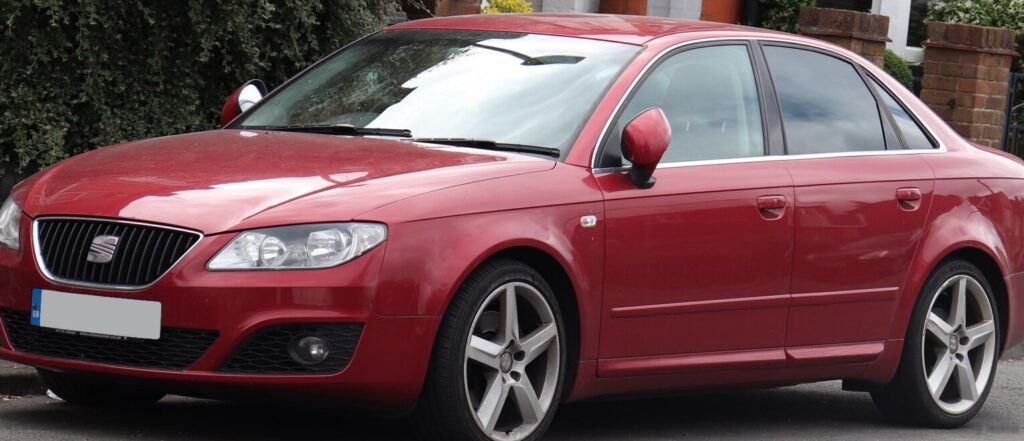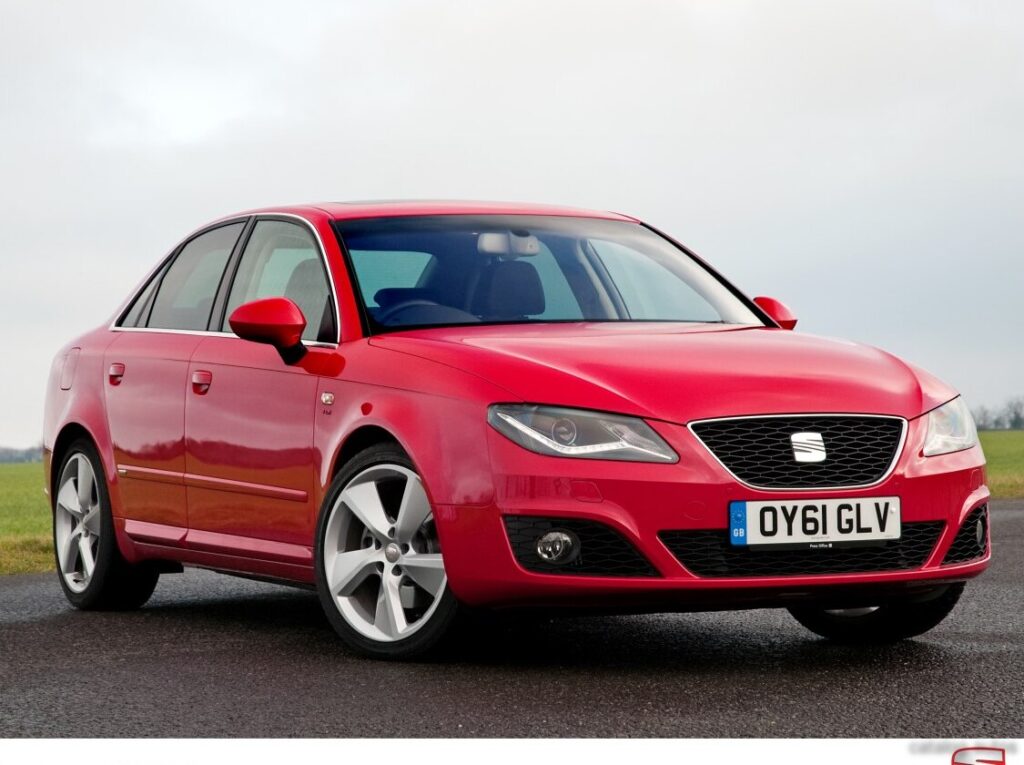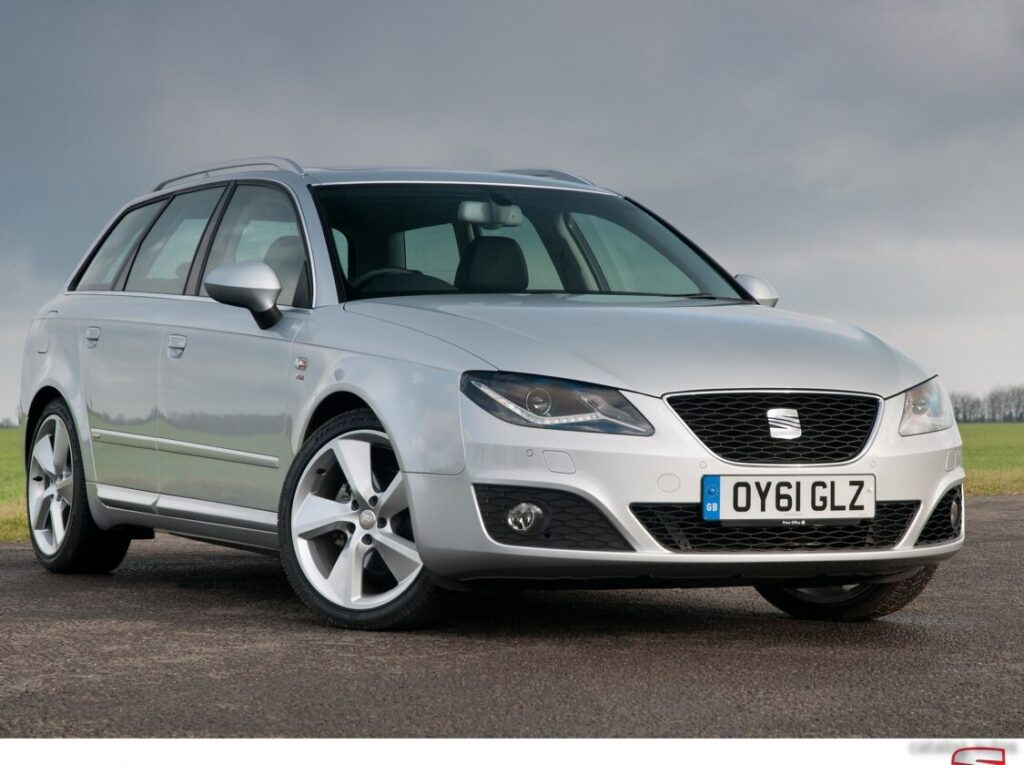
The Seat Exeo ST 2.0 TSI (211 hp) was a performance-oriented variant of the Exeo ST (Station Wagon) model, produced between September 2011 and October 2012. Positioned as the flagship engine option for the Exeo ST following its facelift, it represented the highest level of performance available in the range. The Exeo ST itself was based on the Volkswagen Passat B6 platform (internally designated 1HX0/A3), a result of Seat’s collaboration with Volkswagen Group following their acquisition. This variant aimed to offer a blend of practicality, space, and engaging driving dynamics, appealing to buyers seeking a sporty alternative to more conventional family wagons.
Powertrain & Engine Architecture
The heart of the Exeo ST 2.0 TSI was the EA113 engine code, specifically the CDND variant. This 2.0-liter inline-four cylinder engine utilized direct fuel injection (FSI – Fuel Stratified Injection) and was turbocharged with an intercooler. The engine produced 211 horsepower at 4600-6000 rpm and 320 Nm (236.02 lb-ft) of torque between 1500-4600 rpm. The engine featured a double overhead camshaft (DOHC) valvetrain with four valves per cylinder, contributing to its responsive nature. The compression ratio was set at 9.6:1. The engine’s longitudinal front-engine layout was inherited from the Passat B6 platform.
While a six-speed manual transmission was standard, a six-speed automatic transmission (typically the 09G) was also offered as an option. The automatic transmission was electronically controlled and featured Tiptronic functionality, allowing for manual gear selection. The automatic transmission was designed to balance fuel efficiency with responsive shifting, though it wasn’t as sporty as some dual-clutch transmissions available in other Volkswagen Group vehicles.
Engine Specifications
Key engine specifications included a cylinder bore of 82.5 mm (3.25 in) and a piston stroke of 92.8 mm (3.65 in), resulting in a displacement of 1984 cm³ (121.07 cu. in). The engine required 4.6 liters (4.86 US qt / 4.05 UK qt) of engine oil, specified to Volkswagen Group standards. The cooling system held 7.5 liters (7.93 US qt / 6.6 UK qt) of coolant.
Driving Characteristics
The 2.0 TSI engine provided a significant performance upgrade over the lower-powered engine options available in the Exeo ST range. Acceleration from 0 to 100 km/h (0-62 mph) was achieved in 7.3 seconds, with a 0-60 mph time calculated at 6.9 seconds. The maximum speed was electronically limited to 239 km/h (148.51 mph). The turbocharger provided strong mid-range torque, making the car feel responsive in everyday driving situations.
Compared to the base engines, the 2.0 TSI offered a more engaging driving experience. The automatic transmission, while smooth, didn’t offer the same level of driver involvement as the manual gearbox. The power delivery was linear and predictable, making it easy to control. However, the added power and torque did result in slightly higher fuel consumption compared to the more economical engine options.
Equipment & Trim Levels
The Exeo ST 2.0 TSI typically came with a generous level of standard equipment. This included features such as alloy wheels (typically 17 or 18 inch), climate control, a multi-function steering wheel, electric windows and mirrors, and a CD/radio system with MP3 compatibility. Higher trim levels added features like leather upholstery, a sunroof, parking sensors, and a navigation system. The interior typically featured a dark color scheme with metallic trim accents. Optional extras included bi-xenon headlights, a premium sound system, and advanced safety features.
Chassis & Braking
The Exeo ST utilized an independent multi-link suspension at the front and an independent trapezoidal lever suspension at the rear, both incorporating a transverse stabilizer bar. This suspension setup provided a good balance between ride comfort and handling. The front brakes were ventilated discs measuring 320×30 mm, while the rear brakes were solid discs measuring 288×12 mm. Anti-lock Braking System (ABS) was standard. The steering was a hydraulic power-assisted rack and pinion system, providing precise and responsive steering feel. The Exeo ST 2.0 TSI typically rode on tires sized 225/45 R17 or 225/40 R18, mounted on 7J x 17 or 8J x 18 inch wheels.
Market Reception & Comparison
The Seat Exeo ST 2.0 TSI was generally well-received by automotive critics. It was praised for its stylish design, spacious interior, and engaging driving dynamics. The 2.0 TSI engine was considered a strong performer, offering a good balance of power and fuel efficiency. However, some critics noted that the interior quality wasn’t quite as refined as some of its competitors, such as the Audi A4 Avant or BMW 3 Series Touring.
Compared to other trims in the Exeo ST lineup, the 2.0 TSI offered significantly more performance but at a higher price point and with slightly increased fuel consumption. The lower-powered engines were more economical but lacked the same level of driving excitement. The 2.0 TDI diesel variant offered comparable torque but a different driving character. The Exeo ST, in general, was often seen as a value-for-money alternative to more premium estate cars.
Technical Specifications
| Brand | Seat |
| Model | Exeo ST |
| Generation | Exeo ST (facelift 2011) |
| Type (Engine) | 2.0 TSI (211 Hp) |
| Start of production | September, 2011 |
| End of production | October, 2012 |
| Powertrain Architecture | Internal Combustion engine |
| Body type | Station wagon (estate) |
| Seats | 5 |
| Doors | 5 |
| Fuel consumption (urban) | 9.7 l/100 km (24.2 US mpg / 29.1 UK mpg) |
| Fuel consumption (extra urban) | 5.4 l/100 km (43.6 US mpg / 52.3 UK mpg) |
| Fuel consumption (combined) | 7 l/100 km (33.6 US mpg / 40.4 UK mpg) |
| CO2 emissions | 162 g/km |
| Fuel Type | Petrol (Gasoline) |
| Acceleration 0 – 100 km/h | 7.3 sec |
| Acceleration 0 – 62 mph | 7.3 sec |
| Acceleration 0 – 60 mph | 6.9 sec |
| Maximum speed | 239 km/h (148.51 mph) |
| Emission standard | Euro 5 |
| Weight-to-power ratio | 7.1 kg/Hp |
| Weight-to-torque ratio | 4.7 kg/Nm |
| Power | 211 Hp @ 4600-6000 rpm |
| Torque | 320 Nm @ 1500-4600 rpm (236.02 lb.-ft.) |
| Engine layout | Front, Longitudinal |
| Engine Model/Code | EA113 / CDND |
| Engine displacement | 1984 cm3 (121.07 cu. in.) |
| Number of cylinders | 4 |
| Engine configuration | Inline |
| Cylinder Bore | 82.5 mm (3.25 in.) |
| Piston Stroke | 92.8 mm (3.65 in.) |
| Compression ratio | 9.6:1 |
| Number of valves per cylinder | 4 |
| Fuel injection system | Direct injection |
| Engine aspiration | Turbocharger, Intercooler |
| Valvetrain | DOHC |
| Engine oil capacity | 4.6 l (4.86 US qt | 4.05 UK qt) |
| Coolant | 7.5 l (7.93 US qt | 6.6 UK qt) |
| Kerb Weight | 1490 kg (3284.89 lbs.) |
| Max. weight | 2050 kg (4519.48 lbs.) |
| Max load | 560 kg (1234.59 lbs.) |
| Trunk (boot) space – minimum | 422 l (14.9 cu. ft.) |
| Trunk (boot) space – maximum | 1354 l (47.82 cu. ft.) |
| Fuel tank capacity | 70 l (18.49 US gal | 15.4 UK gal) |
| Length | 4666 mm (183.7 in.) |
| Width | 1772 mm (69.76 in.) |
| Height | 1454 mm (57.24 in.) |
| Wheelbase | 2642 mm (104.02 in.) |
Legacy
The Seat Exeo ST, including the 2.0 TSI variant, enjoyed a relatively short production run. While it offered a compelling package, it was discontinued in 2012 as Seat shifted its focus towards more mainstream models. The EA113 engine, while generally reliable, is known to require regular maintenance, particularly regarding carbon buildup on the intake valves. On the used car market, the Exeo ST 2.0 TSI represents a relatively affordable option for those seeking a spacious and sporty estate car. However, potential buyers should be aware of the potential maintenance requirements of the engine and ensure that the car has been properly serviced. The Exeo ST remains a somewhat underrated model, appreciated by enthusiasts for its blend of practicality, performance, and value.