
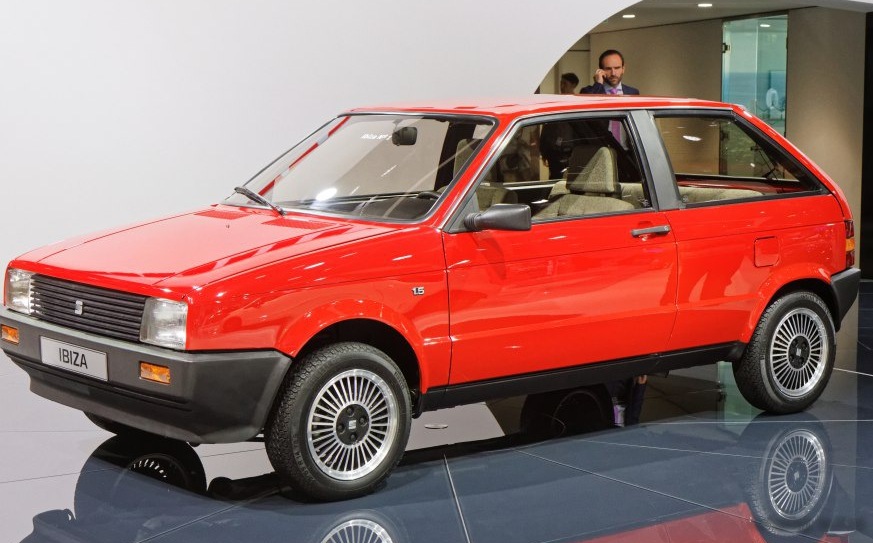
The Seat Ibiza I 0.9, produced between 1990 and 1993, represented the entry point into the first generation Ibiza range. This variant, powered by the 146A engine producing 40 horsepower, was designed as an affordable and economical hatchback for the European market. The Ibiza I, based on the Volkswagen Polo Mk2 platform, marked Seat’s first foray into independent model development after years of primarily rebadging Fiat vehicles. The 0.9-liter model was crucial in establishing the Ibiza as a viable competitor in the supermini segment, offering basic transportation with a focus on fuel efficiency. It was available in both 3-door and 5-door body styles, catering to a range of customer needs.
The 0.9-Liter Ibiza: Entry-Level Appeal
The 0.9-liter Ibiza occupied the lowest rung of the Ibiza I lineup. Above it sat models with larger, more powerful engines, including 1.2 and 1.5-liter gasoline options. The 0.9 was specifically targeted at first-time car buyers, those needing a city runabout, or individuals prioritizing low running costs over outright performance. Its simplicity and affordability made it a popular choice in markets where vehicle taxation was linked to engine displacement. Compared to the higher-spec Ibizas, the 0.9 typically featured a more basic interior and fewer standard features, reflecting its lower price point.
Powertrain & Engine Architecture
The heart of the Ibiza 0.9 was the 146A engine, a 903cc inline-three cylinder, naturally aspirated gasoline engine. This engine was a derivative of the Volkswagen Polo’s engine, reflecting the shared platform. It featured a single overhead camshaft (SOHC) operating two valves per cylinder. Fuel delivery was managed by a single point fuel injection system, a relatively simple setup for the time, prioritizing reliability and cost-effectiveness over sophisticated performance. The engine’s bore and stroke measured 76.5mm x 69.8mm. The compression ratio was 9.5:1. The 146A engine was known for its robust construction, though its limited power output meant it was often stressed when fully loaded or driving uphill. The engine was mated to a four-speed manual transmission as standard; no automatic transmission option was available for this specific variant. The engine’s relatively low weight contributed to the Ibiza’s overall nimble handling.
Engine Details: 146A
The 146A engine, while simple, was a product of Volkswagen’s engineering expertise. The single-point fuel injection system, while not as efficient as multi-point injection, proved reliable and easy to maintain. The SOHC valvetrain minimized complexity and weight. The three-cylinder configuration contributed to a distinctive engine note and, despite its limitations, provided adequate power for urban driving. The engine’s design prioritized durability and low manufacturing costs, making it ideal for an entry-level vehicle.
Driving Characteristics
The driving experience in the Ibiza 0.9 was characterized by its modest performance. With only 40 horsepower on tap, acceleration was slow, particularly when carrying passengers or luggage. 0-60 mph times were estimated to be around 18-20 seconds. The engine’s peak torque of 58 Nm (43 lb-ft) was delivered at 3,000 rpm, requiring frequent gear changes to maintain momentum, especially on inclines. The four-speed gearbox was relatively light and easy to operate, but its limited number of ratios meant the engine often operated at higher revs, contributing to a noticeable engine noise. Despite its lack of outright speed, the Ibiza 0.9 offered acceptable drivability in urban environments, where its small size and light steering made it easy to maneuver. Compared to the 1.2 and 1.5-liter models, the 0.9 felt significantly underpowered, but it also offered superior fuel economy.
Equipment & Trim Levels
The Ibiza 0.9 was typically offered in a base trim level, focusing on essential features. Standard equipment generally included cloth upholstery, basic instrumentation (speedometer, fuel gauge, temperature gauge), and manually adjustable front seats. Power steering was not standard and was often an optional extra. The interior plastics were durable but lacked the refinement of higher-spec models. The dashboard layout was simple and functional. Optional extras included a radio cassette player, upgraded seat fabrics, and central locking. The 3-door version was often slightly cheaper than the 5-door, appealing to buyers on a tighter budget. Safety features were limited by the standards of the time, typically consisting of seat belts and a steering column-mounted hazard warning switch.
Chassis & Braking
The Ibiza I utilized a front-wheel-drive layout with a MacPherson strut suspension at the front and a torsion beam suspension at the rear. The suspension setup was tuned for comfort rather than sporty handling, providing a reasonably smooth ride on most road surfaces. The steering was rack and pinion, offering light and precise control. Braking was initially provided by drum brakes on all four wheels, although some later models featured front disc brakes. The braking system was adequate for the car’s weight and performance, but lacked the stopping power of more modern vehicles. Stabilizer bars were not standard on the base 0.9 model, contributing to a slightly more pronounced body roll in corners. The chassis was relatively lightweight, aiding in fuel efficiency and maneuverability.
Market Reception & Comparison
The Seat Ibiza 0.9 received mixed reviews from automotive critics. While praised for its affordability and fuel economy, it was often criticized for its lack of power and basic interior. Compared to rivals such as the Fiat Uno and Peugeot 205, the Ibiza 0.9 offered a similar level of practicality and economy, but lacked the stylish design of the Peugeot. Fuel economy was a key selling point, with the 0.9-liter engine achieving around 5.5-6.0 liters per 100 kilometers (43-47 mpg) in mixed driving conditions. Reliability was generally good, thanks to the engine’s simple design, but maintenance costs could be higher due to the need for frequent servicing. The 1.2 and 1.5-liter Ibiza models offered significantly better performance, but at a higher price point. The 0.9 was often seen as a compromise, offering basic transportation at a low cost.
Technical Specifications
| Engine Code | 146A |
| Engine Type | Inline-Three, Naturally Aspirated |
| Displacement | 903 cc (55.1 cu in) |
| Power | 40 hp (30 kW) @ 5000 rpm |
| Torque | 58 Nm (43 lb-ft) @ 3000 rpm |
| Compression Ratio | 9.5:1 |
| Fuel System | Single Point Fuel Injection |
| Valves per Cylinder | 2 |
| Transmission | 4-Speed Manual |
| Drivetrain | Front-Wheel Drive |
| Fuel Tank Capacity | 50 liters (13.2 US gal, 11 UK gal) |
| Engine Oil Capacity | 3.6 liters (3.8 US qt, 3.17 UK qt) |
| Coolant Capacity | 5 liters (5.28 US qt, 4.4 UK qt) |
| Weight (approx.) | 780 kg (1720 lbs) |
Legacy
The Seat Ibiza I 0.9, while not a performance icon, played a significant role in establishing Seat as a credible automotive manufacturer. The 146A engine proved to be relatively durable, and many examples are still on the road today, albeit often requiring regular maintenance. In the used car market, the 0.9-liter Ibiza is typically valued as a cheap and cheerful classic, appealing to enthusiasts looking for a simple and affordable vintage hatchback. Its low running costs and ease of maintenance make it a practical choice for those seeking a classic car experience without breaking the bank. However, potential buyers should be aware of the engine’s limited power and the potential for age-related issues. The 0.9 variant remains a testament to Seat’s early efforts to create a competitive and affordable vehicle for the European market.
