
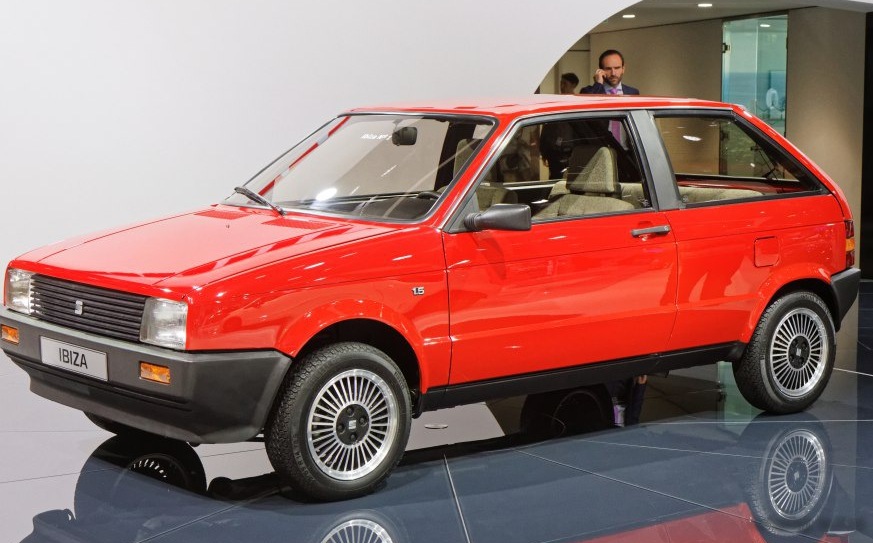
The Seat Ibiza I 1.5 i, producing 89 horsepower, was a mainstay of the first-generation Ibiza lineup produced between 1986 and 1993. Positioned as a practical and affordable entry-level option, it represented a significant step for SEAT, Spain’s national car manufacturer, as it was one of the first models developed entirely under their own initiative after decades of primarily building licensed versions of Fiat vehicles. The Ibiza I, based on the Volkswagen Polo Mk2 platform (internally designated 1HX0/A3), aimed to provide a modern, European-designed hatchback to a growing market. The 1.5 i variant, while not the most powerful offering, was arguably the most common and accessible version, appealing to buyers prioritizing fuel efficiency and everyday usability over outright performance.
The 1.5 i Engine and Powertrain
The heart of the Ibiza I 1.5 i was the 021C2 engine, a 1.5-liter inline four-cylinder gasoline engine. This engine was a naturally aspirated unit, meaning it did not utilize a turbocharger or supercharger. It featured a cast iron block and an aluminum cylinder head, a common configuration for engines of this era. The engine employed a multi-port fuel injection system, a significant upgrade over the carburetors found in earlier SEAT models, contributing to improved fuel economy and smoother operation. The valvetrain consisted of two valves per cylinder (SOHC – Single Overhead Camshaft), a relatively simple design that prioritized reliability and ease of maintenance.
While a five-speed manual transmission was the most frequently paired gearbox with the 1.5 i engine, an optional three-speed automatic transmission was available, though less common. This automatic, while offering convenience, noticeably impacted the car’s acceleration and fuel economy. The automatic transmission was a traditional hydraulic unit, lacking the electronic controls found in later automatic gearboxes. The engine produced 89 hp at 6000 rpm and 120 Nm (88.51 lb-ft) of torque at 4000 rpm. This output, while modest by modern standards, was competitive within the subcompact hatchback segment of the late 1980s and early 1990s.
Engine Code Specifics & Variations
The 021C2 engine code designates the specific iteration of the 1.5-liter engine used in the Ibiza I. Minor variations existed throughout the production run, primarily relating to emissions control equipment and fuel injection calibration to meet evolving European regulations. These changes were generally subtle and did not significantly alter the engine’s fundamental performance characteristics. Compared to the later 1.6-liter engines offered in the Ibiza range, the 1.5 i was simpler in design and generally considered more robust, though it lacked the extra power and refinement of the larger displacement units.
Driving Characteristics
The Seat Ibiza I 1.5 i, particularly when equipped with the five-speed manual transmission, offered a reasonably engaging driving experience for its class. Acceleration from 0 to 60 mph took approximately 10.5 seconds, and it had a top speed of around 108.74 mph. The engine felt relatively lively at higher RPMs, but lacked significant low-end torque. This meant drivers often needed to downshift to maintain momentum when climbing hills or overtaking. The automatic transmission version suffered from a noticeable performance deficit, with slower acceleration and a tendency for the engine to feel strained under heavy load. The gear ratios in the automatic were spaced to prioritize fuel economy over performance. Handling was generally considered safe and predictable, with a focus on comfort rather than sporty dynamics. The steering, while not particularly precise, provided adequate feedback for everyday driving.
Equipment & Trim Levels
The Ibiza I 1.5 i was typically offered in relatively basic trim levels, reflecting its position as an entry-level model. Standard equipment generally included cloth upholstery, a basic instrument cluster, and manual windows and door locks. Air conditioning and power steering were often optional extras. Interior plastics were durable but utilitarian, prioritizing functionality over luxury. Higher trim levels, such as the GLX, added features like upgraded upholstery, a more comprehensive instrument panel, and alloy wheels. The dashboard layout was simple and functional, with clearly labeled controls. Optional extras included a sunroof, central locking, and a basic audio system.
Chassis & Braking
The Ibiza I utilized a relatively simple chassis design. Front suspension consisted of MacPherson strut springs, while the rear employed a twist beam setup. This configuration provided a comfortable ride quality, but didn’t offer the same level of handling precision as more sophisticated suspension systems. Braking was typically accomplished with front disc brakes and rear drum brakes. An Anti-lock Braking System (ABS) was available as an option, enhancing safety, particularly in wet or slippery conditions. The steering system was a rack and pinion setup, providing reasonable steering response. The standard tire size was 165/65 SR14, offering a balance between ride comfort and grip.
Market Reception & Comparison
The Seat Ibiza I 1.5 i was generally well-received by automotive critics as a practical and affordable hatchback. It was praised for its fuel efficiency, reliability, and relatively spacious interior. However, it was also criticized for its modest performance and somewhat basic interior appointments. Compared to other vehicles in its class, such as the Ford Fiesta and the Peugeot 205, the Ibiza I offered a slightly more mature and refined driving experience, but lacked the sporty appeal of some of its rivals. The 1.5 i engine was considered a good compromise between performance and economy, making it a popular choice for buyers who prioritized practicality over outright speed. The automatic transmission version, while convenient, was often seen as detracting from the overall driving experience.
Technical Specifications
| Engine Type | Inline 4-cylinder, Petrol |
| Engine Displacement | 1461 cc (89.16 cu in) |
| Engine Code | 021C2 |
| Power Output | 89 hp @ 6000 rpm |
| Torque Output | 120 Nm @ 4000 rpm (88.51 lb-ft) |
| Fuel Injection | Multi-port Fuel Injection |
| Compression Ratio | 10.8:1 |
| Transmission | 5-speed Manual or 3-speed Automatic |
| Drive Type | Front-Wheel Drive |
| Kerb Weight | 915 kg (2017.23 lbs) |
| Maximum Weight | 1450 kg (3196.7 lbs) |
| Fuel Consumption (Urban) | 9.1 l/100 km (25.8 US mpg) |
| Fuel Consumption (Extra Urban) | 5.3 l/100 km (44.4 US mpg) |
| Fuel Consumption (Combined) | 7.2 l/100 km (32.7 US mpg) |
| Fuel Tank Capacity | 50 l (13.21 US gal) |
| Acceleration 0-100 km/h | 11.1 sec |
| Maximum Speed | 175 km/h (108.74 mph) |
Legacy
The Seat Ibiza I 1.5 i, despite its age, remains a relatively common sight on European roads today, a testament to its inherent reliability and durability. The 021C2 engine, while not particularly sophisticated, is known for its robustness and relatively low maintenance requirements. Parts availability is generally good, although some components may be becoming increasingly difficult to source. The 1.5 i automatic, while less desirable than the manual version, still offers a comfortable and economical means of transportation. In the used car market, the Ibiza I 1.5 i represents an affordable and practical classic, appealing to enthusiasts and budget-conscious buyers alike. Its significance lies in marking SEAT’s transition from a licensed manufacturer to an independent carmaker, laying the foundation for the company’s future success.
