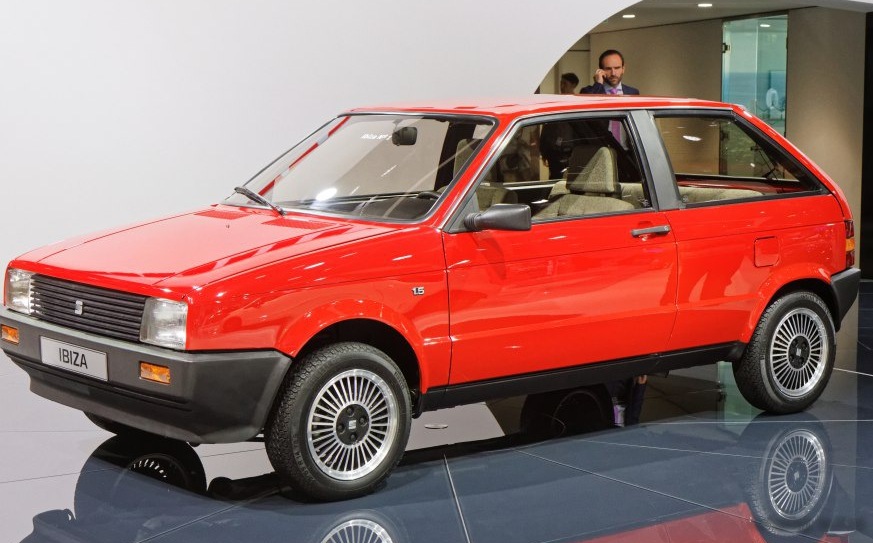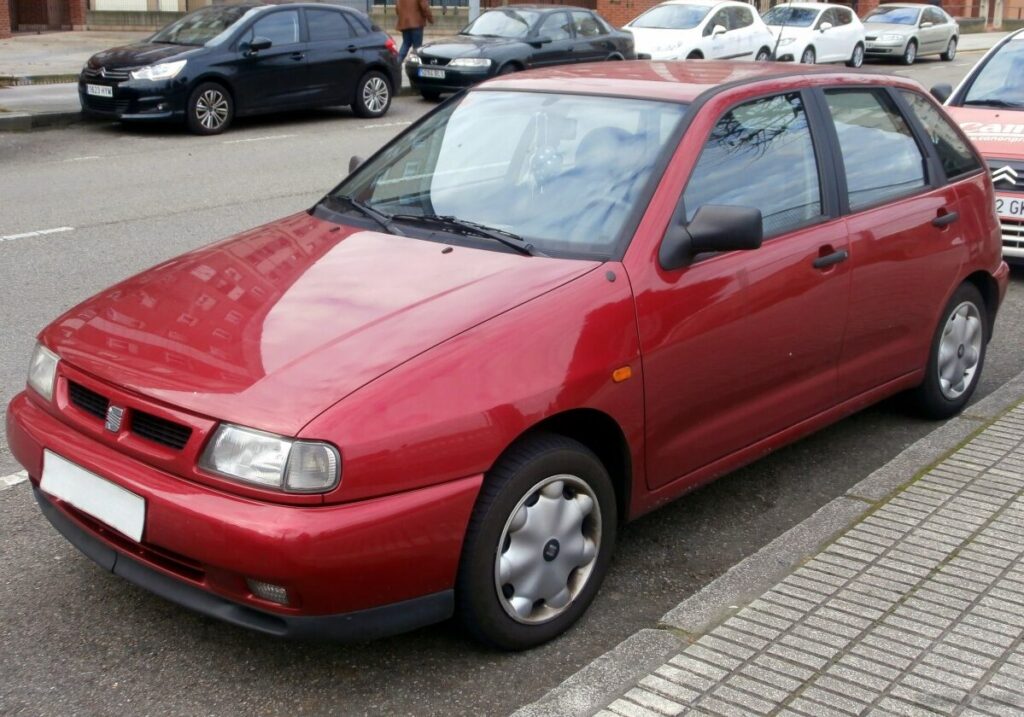
The Seat Ibiza II 1.0 i, producing 50 horsepower, was an entry-level variant of the second-generation Seat Ibiza (Ibiza II), produced between 1996 and 1999. This model occupied the base trim level within the Ibiza II range, serving as the most affordable option for buyers. It was positioned below the 1.4 and 1.6-liter versions, and significantly below the more performance-oriented models like the GTI. The Ibiza II itself was based on the Volkswagen Polo Mk3 (6N) platform, a collaboration stemming from Seat’s integration into the Volkswagen Group. This generation represented a significant step forward for Seat in terms of build quality and design, moving away from the more utilitarian image of previous models.
Powertrain & Engine Architecture
The heart of the Ibiza II 1.0 i was the AER engine code, a 999cc inline four-cylinder petrol engine. This engine was a naturally aspirated unit, meaning it did not employ a turbocharger or supercharger. It featured a single overhead camshaft (OHC) valvetrain with two valves per cylinder. Fuel delivery was managed by a multi-port manifold injection system, a common technology for the time, providing a balance between fuel efficiency and performance. The engine’s bore and stroke measured 67.1mm and 70.6mm respectively, resulting in a compression ratio of 10.5:1. The AER engine was known for its simplicity and relative reliability, though its modest power output was a defining characteristic.
While the 1.0 i was primarily offered with a five-speed manual transmission, an optional four-speed automatic transmission was available, though less common. The automatic transmission was a conventional hydraulic unit, offering smooth but relatively slow gear changes. The automatic version further reduced acceleration performance, making it geared towards drivers prioritizing ease of use over spirited driving. The engine oil capacity was 3.2 liters (3.38 US quarts / 2.82 UK quarts), and the cooling system held 5.6 liters (5.92 US quarts / 4.93 UK quarts).
Engine Specifications (AER)
The AER engine produced a maximum power output of 50 hp (37 kW) at 5000 rpm and a peak torque of 86 Nm (63.43 lb-ft) at 3000 rpm. This resulted in a power-to-liter ratio of 50.1 hp/liter. The engine’s modest torque figure meant that it required frequent downshifts to maintain momentum, particularly when laden with passengers or cargo.
Driving Characteristics
The driving experience in the Ibiza II 1.0 i was characterized by its lack of outright pace. Acceleration from 0 to 100 km/h (0-62 mph) took approximately 19.4 seconds, and 0 to 60 mph required around 18.4 seconds. The top speed was rated at 145 km/h (90.1 mph). The automatic transmission version was even slower, due to the inherent efficiency losses of the torque converter and the less-than-optimal gear ratios for maximizing acceleration. The engine felt strained at higher speeds, and overtaking maneuvers required careful planning. However, the 1.0 i offered acceptable performance for urban driving and shorter trips. The steering was light and precise, making it easy to maneuver in tight spaces. The suspension, while basic, provided a reasonably comfortable ride on most road surfaces.
Equipment & Trim Levels
The Ibiza II 1.0 i, as the entry-level model, came with a relatively basic standard equipment list. Typically, it included features such as power steering, central locking, and a basic stereo system. Interior upholstery was usually cloth, and the dashboard featured a simple, functional design. Air conditioning was generally an optional extra, as were electric windows. Higher trim levels, such as the GLX, offered additional features like alloy wheels, upgraded interior trim, and more sophisticated audio systems. The 1.0 i was often seen as a practical and affordable choice for first-time car buyers or those seeking a low-cost runabout.
Chassis & Braking
The Ibiza II 1.0 i utilized a front-wheel-drive layout. The front suspension consisted of wishbones, while the rear suspension employed a spring strut setup. The braking system featured disc brakes on the front wheels and drum brakes on the rear wheels. Anti-lock Braking System (ABS) was available as an option, enhancing braking performance and safety. The curb weight of the vehicle was 910 kg (2006.21 lbs), contributing to its relatively low fuel consumption. The tires were typically sized 175/70 R13, mounted on 5.5J x 13 steel wheels.
Market Reception & Comparison
The Ibiza II 1.0 i was generally well-received as an affordable and economical city car. Critics acknowledged its lack of performance but praised its fuel efficiency and low running costs. Compared to its siblings, the 1.4 and 1.6-liter models offered significantly more power and a more engaging driving experience, but at a higher price point. The 1.0 i was also more economical than these larger-engined variants, achieving fuel consumption figures of around 7.9 l/100 km (29.8 US mpg) in urban conditions and 5 l/100 km (47 US mpg) on the open road. The 1.9 TDI diesel version offered even better fuel economy, but at the cost of refinement and performance. The 1.0 i appealed to a different segment of the market – those prioritizing affordability and practicality over driving thrills.
Technical Specifications
| Brand | Seat |
| Model | Ibiza II |
| Type (Engine) | 1.0 i (50 Hp) |
| Start of production | September, 1996 |
| End of production | 1999 |
| Powertrain Architecture | Internal Combustion engine |
| Body type | Hatchback |
| Seats | 5 |
| Doors | 3 |
| Fuel consumption (urban) | 7.9 l/100 km (29.8 US mpg) |
| Fuel consumption (extra urban) | 5 l/100 km (47 US mpg) |
| Fuel Type | Petrol (Gasoline) |
| Acceleration 0 – 100 km/h | 19.4 sec |
| Acceleration 0 – 62 mph | 19.4 sec |
| Acceleration 0 – 60 mph | 18.4 sec |
| Maximum speed | 145 km/h (90.1 mph) |
| Weight-to-power ratio | 18.2 kg/Hp |
| Engine layout | Front, Transverse |
| Engine Model/Code | AER |
| Engine displacement | 999 cm3 (60.96 cu. in.) |
| Number of cylinders | 4 |
| Cylinder Bore | 67.1 mm (2.64 in.) |
| Piston Stroke | 70.6 mm (2.78 in.) |
| Compression ratio | 10.5:1 |
| Number of valves per cylinder | 2 |
| Engine oil capacity | 3.2 l (3.38 US qt | 2.82 UK qt) |
| Kerb Weight | 910 kg (2006.21 lbs.) |
| Max. weight | 1370 kg (3020.33 lbs.) |
| Trunk (boot) space – minimum | 270 l (9.53 cu. ft.) |
| Trunk (boot) space – maximum | 802 l (28.32 cu. ft.) |
| Fuel tank capacity | 45 l (11.89 US gal | 9.9 UK gal) |
| Length | 3877 mm (152.64 in.) |
| Width | 1640 mm (64.57 in.) |
| Height | 1422 mm (55.98 in.) |
| Wheelbase | 2443 mm (96.18 in.) |
| Drive wheel | Front wheel drive |
| Number of gears | 5 |
| Gearbox type | Manual transmission |
Legacy
The Seat Ibiza II 1.0 i, while not a performance icon, remains a popular choice among budget-conscious used car buyers. The AER engine is known for its durability and relatively simple maintenance requirements. However, potential buyers should be aware of the engine’s limited power output and the potential for wear and tear on the automatic transmission, if equipped. Parts availability is generally good, thanks to the widespread use of the AER engine in other Volkswagen Group vehicles. Today, the Ibiza II 1.0 i represents a practical and affordable entry point into classic car ownership, offering a glimpse into the early days of Seat’s modern era.