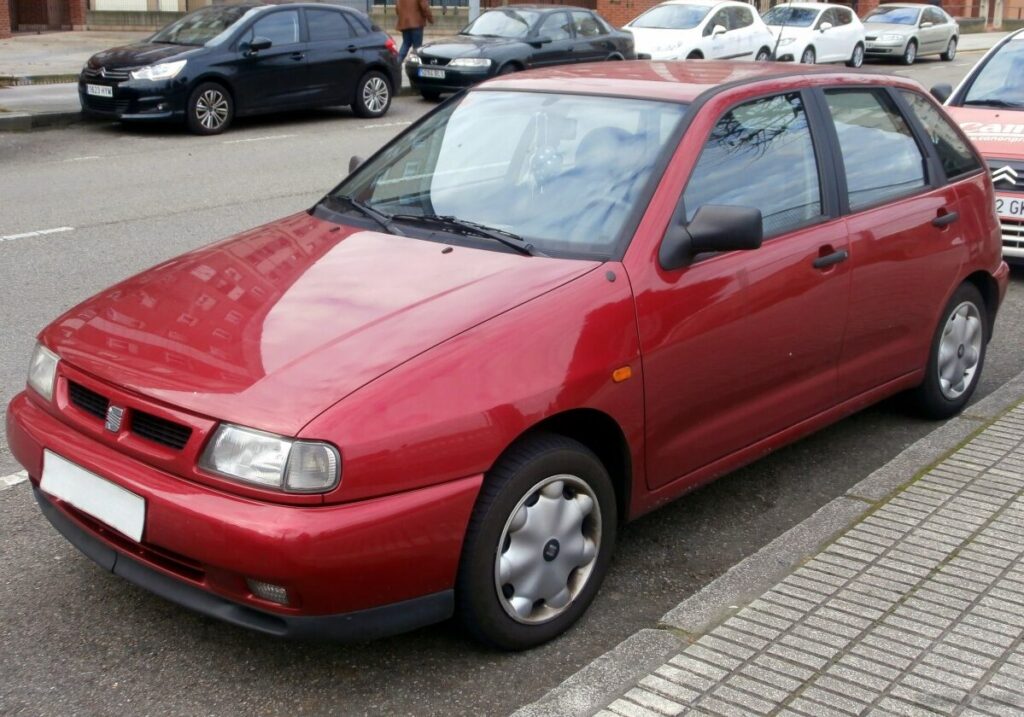
The Seat Ibiza II 1.4 i 16V, produced between 1997 and 1999, represented a significant step forward for the Spanish automaker, offering a blend of practicality, affordability, and a surprisingly sporty driving experience for its class. Positioned as a mid-range offering within the second-generation Ibiza (6K) lineup, it slotted between the base 1.0L models and the more powerful 1.6L and 1.8L variants. Built on the Volkswagen Group’s A03 platform – also known as the 1HX0 – the Ibiza II aimed to compete with established rivals like the Peugeot 206, Renault Clio, and Ford Fiesta. This particular 1.4-liter 16-valve engine, producing 101 horsepower, was a popular choice for buyers seeking a balance between performance and fuel economy.
Powertrain & Engine Architecture
The heart of the Ibiza II 1.4 i 16V is the AFH engine code, a 1.391-liter (84.88 cubic inches) inline four-cylinder gasoline engine. This engine is a naturally aspirated unit featuring multi-port fuel injection, a system that delivers fuel directly into the intake ports just before the intake valves. This design, common for the era, provided a good compromise between efficiency and power delivery. The engine boasts a compression ratio of 10.5:1, contributing to its relatively high output for its displacement. The cylinder bore measures 76.5 mm (3.01 inches) and the piston stroke is 75.6 mm (2.98 inches).
The 16-valve cylinder head, with four valves per cylinder, is a key element of the engine’s design. This configuration allows for improved airflow, enhancing both power and torque across the rev range. The valvetrain utilizes a single overhead camshaft (SOHC) design, driven by a timing belt. While relatively simple, this setup proved reliable in service. The engine’s oil capacity is 3.2 liters (3.38 US quarts / 2.82 UK quarts), and it requires coolant totaling 5.6 liters (5.92 US quarts / 4.93 UK quarts).
Unlike some of its more performance-oriented siblings, the 1.4 i 16V was typically paired with a five-speed manual transmission. While an automatic transmission was offered in some markets, it was less common and generally considered to detract from the driving experience due to its slower shift times and increased fuel consumption. The manual gearbox provided precise shifts and allowed drivers to fully utilize the engine’s power band.
Driving Characteristics
The Seat Ibiza II 1.4 i 16V offered a respectable driving experience for a car of its size and price point. With 101 horsepower and 128 Nm (94.41 lb-ft) of torque at 4400 rpm, it could accelerate from 0 to 100 km/h (0-62 mph) in approximately 10.7 seconds, and reach a top speed of 180 km/h (111.85 mph). While not exceptionally quick, it felt lively enough for everyday driving and even offered some enjoyment on winding roads. The engine’s power delivery was relatively linear, making it easy to control. The five-speed manual transmission allowed for efficient cruising at highway speeds, while still providing enough grunt for overtaking maneuvers. Compared to the base 1.0L models, the 1.4 i 16V offered a noticeable improvement in performance, making it a more suitable choice for drivers who frequently traveled on motorways or carried passengers. However, it lacked the outright punch of the 1.6L and 1.8L versions, which were geared towards a more enthusiastic driving experience.
Equipment & Trim Levels
The Ibiza II 1.4 i 16V was generally well-equipped for its price range, offering a good level of standard features. Typically, it included power steering, central locking, front electric windows, and an adjustable steering column. Interior upholstery was usually cloth, with a relatively simple but functional dashboard layout. Optional extras included air conditioning, alloy wheels, a sunroof, and upgraded audio systems. Higher trim levels, such as the ‘Stella’ or ‘Sport’ variants, added features like body-colored bumpers, side skirts, and a more luxurious interior trim. The standard seating configuration accommodated five passengers, and the hatchback body style provided a reasonable amount of cargo space, ranging from 270 liters (9.53 cubic feet) with the rear seats up to 802 liters (28.32 cubic feet) with them folded down.
Chassis & Braking
The Ibiza II 1.4 i 16V utilized a front-wheel-drive layout with a relatively simple suspension setup. The front suspension consisted of wishbones, while the rear employed a spring strut arrangement. This configuration provided a good balance between ride comfort and handling. The car’s kerb weight of 985 kg (2171.55 lbs) contributed to its nimble handling characteristics. Braking duties were handled by ventilated discs at the front and drum brakes at the rear. Anti-lock Braking System (ABS) was often included as standard equipment, enhancing safety by preventing wheel lockup during hard braking. The steering system was a rack and pinion type with hydraulic power assistance, providing precise and responsive steering feel. The standard tire size was 185/60 R14.
Market Reception & Comparison
The Seat Ibiza II 1.4 i 16V was generally well-received by automotive critics. It was praised for its stylish design, practical interior, and enjoyable driving experience. The 1.4-liter engine was considered a good compromise between performance and fuel economy, offering a respectable 9.7 l/100 km (24.2 US mpg / 29.1 UK mpg) in urban conditions and 5.6 l/100 km (42 US mpg / 50.4 UK mpg) on the extra-urban cycle. Compared to the base 1.0L models, the 1.4 i 16V offered a significant improvement in performance, making it a more appealing option for drivers who frequently traveled on motorways or carried passengers. However, it lacked the outright performance of the 1.6L and 1.8L versions. Reliability was generally good, although some owners reported minor issues with the electrical system. Overall, the Ibiza II 1.4 i 16V represented a compelling package for buyers seeking a stylish, practical, and affordable hatchback.
Technical Specifications
| Brand | Seat |
| Model | Ibiza |
| Generation | Ibiza II |
| Type (Engine) | 1.4 i 16V (101 Hp) |
| Start of production | June, 1997 |
| End of production | 1999 |
| Powertrain Architecture | Internal Combustion engine |
| Body type | Hatchback |
| Seats | 5 |
| Doors | 3-5 |
| Fuel consumption (urban) | 9.7 l/100 km (24.2 US mpg / 29.1 UK mpg) |
| Fuel consumption (extra urban) | 5.6 l/100 km (42 US mpg / 50.4 UK mpg) |
| Fuel Type | Petrol (Gasoline) |
| Acceleration 0 – 100 km/h | 10.7 sec |
| Acceleration 0 – 62 mph | 10.7 sec |
| Acceleration 0 – 60 mph | 10.2 sec |
| Maximum speed | 180 km/h (111.85 mph) |
| Weight-to-power ratio | 9.8 kg/Hp |
| Power | 101 Hp @ 6000 rpm |
| Torque | 128 Nm @ 4400 rpm (94.41 lb.-ft. @ 4400 rpm) |
| Engine layout | Front, Transverse |
| Engine Model/Code | AFH |
| Engine displacement | 1391 cm3 (84.88 cu. in.) |
| Number of cylinders | 4 |
| Engine configuration | Inline |
| Cylinder Bore | 76.5 mm (3.01 in.) |
| Piston Stroke | 75.6 mm (2.98 in.) |
| Compression ratio | 10.5:1 |
| Number of valves per cylinder | 4 |
| Fuel injection system | Multi-port manifold injection |
| Engine oil capacity | 3.2 l (3.38 US qt | 2.82 UK qt) |
| Coolant capacity | 5.6 l (5.92 US qt | 4.93 UK qt) |
| Kerb Weight | 985 kg (2171.55 lbs.) |
| Max. weight | 1455 kg (3207.73 lbs.) |
| Trunk (boot) space – minimum | 270 l (9.53 cu. ft.) |
| Trunk (boot) space – maximum | 802 l (28.32 cu. ft.) |
| Fuel tank capacity | 45 l (11.89 US gal | 9.9 UK gal) |
| Length | 3853 mm (151.69 in.) |
| Width | 1640 mm (64.57 in.) |
| Height | 1422 mm (55.98 in.) |
| Wheelbase | 2443 mm (96.18 in.) |
| Drive wheel | Front wheel drive |
| Number of gears | 5 |
| Gearbox type | Manual transmission |
Legacy
The Seat Ibiza II 1.4 i 16V, while not the most powerful or sought-after variant of the second-generation Ibiza, has proven to be a relatively reliable and affordable used car. The AFH engine is known for its durability, and with regular maintenance, it can continue to provide years of service. Parts availability is generally good, thanks to the widespread use of Volkswagen Group components. Today, these cars are often found in the hands of enthusiasts and collectors, who appreciate their simple mechanics, stylish design, and enjoyable driving experience. While rust can be an issue on older examples, well-maintained Ibiza II 1.4 i 16Vs represent a good value proposition for buyers seeking a classic European hatchback.