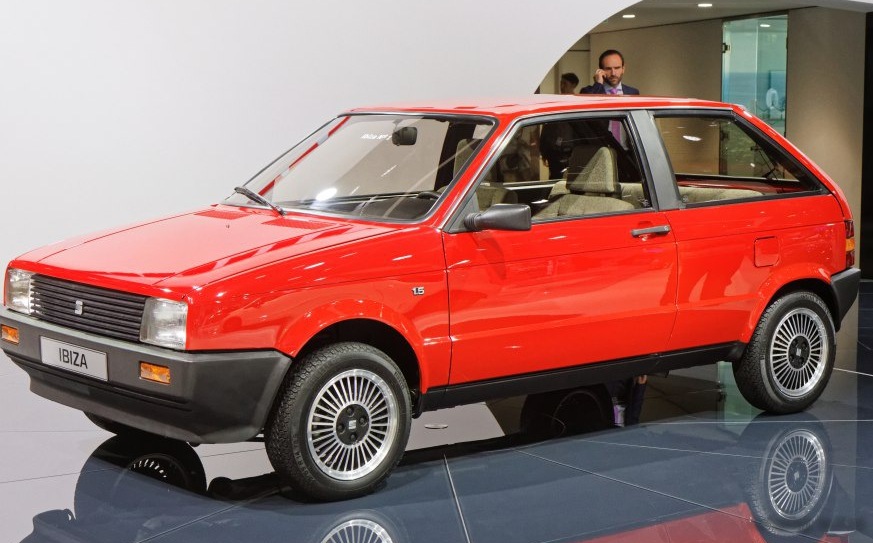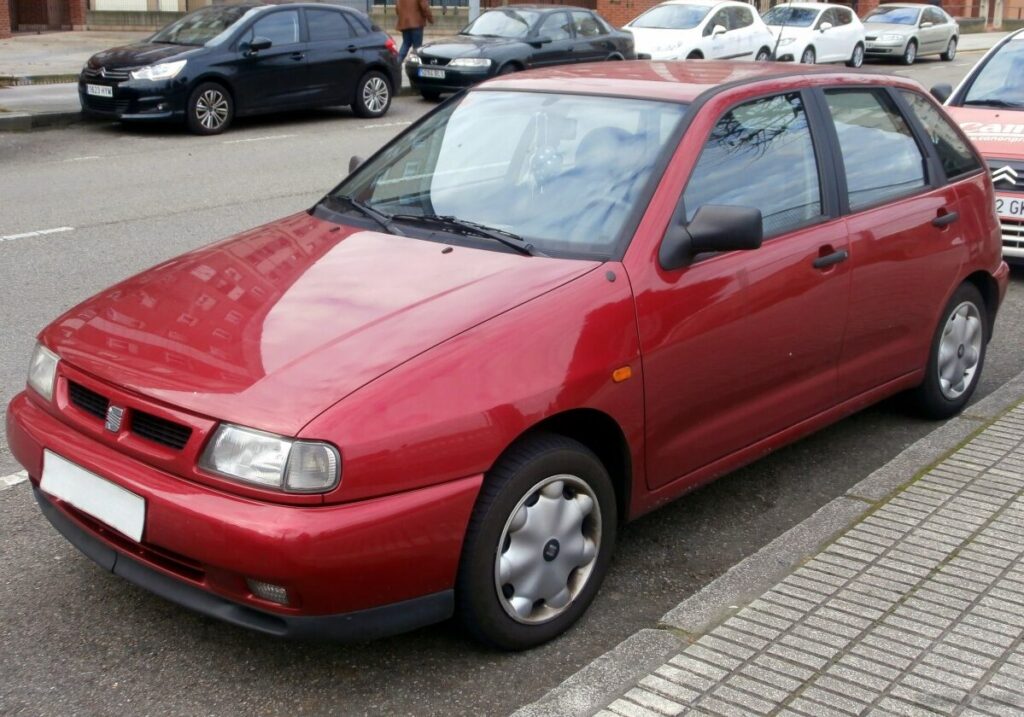
The Seat Ibiza II 1.8 i (90 hp) Automatic, produced between February 1993 and 1999, represented a significant offering within the second generation of the popular Spanish hatchback. Positioned as a mid-range option, it provided a more comfortable and accessible entry point into the Ibiza II lineup compared to the sportier trims, while offering a step up in refinement from the base 1.4-liter models. Built on the Volkswagen Group’s 1HX0/A3 platform – shared with the Volkswagen Polo and Golf – the Ibiza II aimed to provide affordable, reliable transportation with a touch of European flair. This specific variant, combining the 1.8-liter engine with a four-speed automatic transmission, catered to drivers prioritizing ease of use over outright performance.
Powertrain & Engine Architecture
The heart of the Ibiza II 1.8 i Automatic is the Volkswagen Group’s 1.8-liter inline four-cylinder gasoline engine, designated with engine codes ABS and ADZ depending on the specific year and market. This engine, a mainstay in numerous VW Group vehicles of the era, is characterized by its robust construction and relatively simple design. It features a single-point fuel injection system (also known as single-point injection or throttle body injection), which, while less sophisticated than multi-point injection, contributed to its reliability and lower maintenance costs. The engine utilizes an overhead camshaft (OHC) valvetrain with two valves per cylinder.
The 1.8-liter engine produces 90 horsepower at 5500 rpm and 145 Nm (106.95 lb-ft) of torque at 2900 rpm. The compression ratio is 10:1. The engine’s transverse mounting and front-wheel-drive configuration contribute to its compact footprint, maximizing interior space within the Ibiza II’s relatively small dimensions. Paired with the engine is a four-speed automatic transmission. This transmission, while providing convenient automatic operation, is not known for its particularly quick shifts or fuel efficiency compared to contemporary manual transmissions or later automatic designs. The gear ratios are tuned for comfortable cruising and adequate acceleration in typical urban and highway driving conditions.
Engine Codes: ABS vs. ADZ
While both ABS and ADZ engine codes represent the 1.8-liter engine, subtle differences existed. The ADZ variant, introduced later in the production run, often featured minor revisions to the engine management system aimed at improving emissions and fuel economy. These changes were generally minimal and didn’t significantly alter the engine’s overall performance characteristics.
Driving Characteristics
The Seat Ibiza II 1.8 i Automatic delivers a driving experience focused on comfort and ease of use. Acceleration from 0 to 100 km/h (0-62 mph) takes approximately 11.4 seconds, while 0-60 mph is achieved in around 10.8 seconds. Top speed is rated at 182 km/h (113.09 mph). Compared to the manual transmission versions of the 1.8-liter engine, the automatic suffers a slight performance penalty due to the inherent inefficiencies of the torque converter and the four-speed gearbox. The automatic transmission’s shift points are programmed for smooth transitions, prioritizing comfort over aggressive acceleration. The power delivery is relatively linear, with usable torque available from low engine speeds, making it well-suited for everyday driving. However, drivers seeking a more engaging and responsive experience would likely prefer the five-speed manual transmission available on other Ibiza II models.
Equipment & Trim Levels
The 1.8 i Automatic trim level typically included features such as power steering, central locking, and electric front windows. Interior upholstery was generally cloth, with a relatively simple dashboard layout. Optional extras available for this trim included air conditioning, a radio/cassette player, and alloy wheels. The level of equipment varied depending on the specific market and year of production. Higher trim levels, such as the GLX, offered additional features like upgraded upholstery, a sunroof, and more comprehensive instrumentation. The Ibiza II’s interior, while functional, was not particularly luxurious, reflecting its position as an affordable hatchback.
Chassis & Braking
The Ibiza II 1.8 i Automatic utilizes a front suspension system based on wishbones, providing a comfortable ride and predictable handling. The rear suspension employs a spring strut design. The braking system features disc brakes on the front wheels and drum brakes on the rear wheels. Anti-lock Braking System (ABS) was often included as standard equipment, enhancing safety by preventing wheel lockup during hard braking. The steering is a rack and pinion system with hydraulic power assistance, providing light and precise steering feel. The standard tire size is 175/70 R13, mounted on 13-inch steel wheels, although alloy wheels were available as an option. The curb weight of the vehicle is 955 kg (2105.41 lbs), contributing to its relatively nimble handling characteristics.
Market Reception & Comparison
The Seat Ibiza II 1.8 i Automatic was generally well-received by automotive critics as a practical and affordable hatchback. It was praised for its comfortable ride, reliable engine, and ease of use. However, the automatic transmission was often criticized for its lack of responsiveness and relatively slow shift times. Compared to the manual transmission versions, the automatic offered a less engaging driving experience. In terms of fuel economy, the automatic typically consumed more fuel than the manual, although real-world figures varied depending on driving conditions and driver habits. Compared to other trims in the Ibiza II lineup, such as the 1.4-liter models, the 1.8 i Automatic offered a noticeable performance upgrade. However, the more powerful and sporty Ibiza Cupra models provided a significantly more exhilarating driving experience.
Technical Specifications
| Brand | Seat |
| Model | Ibiza |
| Generation | Ibiza II |
| Type (Engine) | 1.8 i (90 Hp) Automatic |
| Start of production | February, 1993 |
| End of production | 1999 |
| Powertrain Architecture | Internal Combustion engine |
| Body type | Hatchback |
| Seats | 5 |
| Doors | 3-5 |
| Fuel Type | Petrol (Gasoline) |
| Acceleration 0 – 100 km/h | 11.4 sec |
| Acceleration 0 – 62 mph | 11.4 sec |
| Acceleration 0 – 60 mph | 10.8 sec |
| Maximum speed | 182 km/h (113.09 mph) |
| Weight-to-power ratio | 10.6 kg/Hp |
| Power | 90 Hp @ 5500 rpm |
| Torque | 145 Nm @ 2900 rpm (106.95 lb.-ft. @ 2900 rpm) |
| Engine layout | Front, Transverse |
| Engine Model/Code | ABS, ADZ |
| Engine displacement | 1781 cm3 (108.68 cu. in.) |
| Number of cylinders | 4 |
| Engine configuration | Inline |
| Cylinder Bore | 81 mm (3.19 in.) |
| Piston Stroke | 86.4 mm (3.4 in.) |
| Compression ratio | 10:1 |
| Number of valves per cylinder | 2 |
| Fuel injection system | Single-point injection |
| Engine aspiration | Naturally aspirated engine |
| Valvetrain | OHC |
| Engine oil capacity | 4 l (4.23 US qt | 3.52 UK qt) |
| Coolant | 6 l (6.34 US qt | 5.28 UK qt) |
| Kerb Weight | 955 kg (2105.41 lbs.) |
| Max. weight | 1430 kg (3152.61 lbs.) |
| Max load | 475 kg (1047.2 lbs.) |
| Trunk (boot) space – minimum | 270 l (9.53 cu. ft.) |
| Trunk (boot) space – maximum | 580 l (20.48 cu. ft.) |
| Fuel tank capacity | 47 l (12.42 US gal | 10.34 UK gal) |
| Length | 3813 mm (150.12 in.) |
| Width | 1640 mm (64.57 in.) |
| Height | 1408 mm (55.43 in.) |
| Wheelbase | 2440 mm (96.06 in.) |
| Front track | 1429 mm (56.26 in.) |
| Rear (Back) track | 1394 mm (54.88 in.) |
| Drivetrain Architecture | Front wheel drive |
| Number of gears and type of gearbox | 4 gears, automatic transmission |
| Front suspension | Wishbone |
| Rear suspension | Spring Strut |
| Front brakes | Disc |
| Rear brakes | Drum |
| Assisting systems | ABS (Anti-lock braking system) |
| Steering type | Steering rack and pinion |
| Power steering | Hydraulic Steering |
| Tires size | 175/70 R13 |
| Wheel rims size | 13 |
Legacy
The Seat Ibiza II 1.8 i Automatic, while not a particularly rare or collectible model, remains a relatively common sight on European roads today. The 1.8-liter engine, when properly maintained, is known for its durability and longevity. However, like all vehicles of this era, it is susceptible to age-related issues such as corrosion and wear and tear on rubber components. The automatic transmission, while generally reliable, may require servicing or rebuilding after many years of use. In the used car market, these Ibizas are typically offered at affordable prices, making them attractive to budget-conscious buyers seeking a practical and reliable hatchback. The combination of a simple engine, readily available parts, and a relatively straightforward design contributes to its continued appeal as a classic and affordable European car.