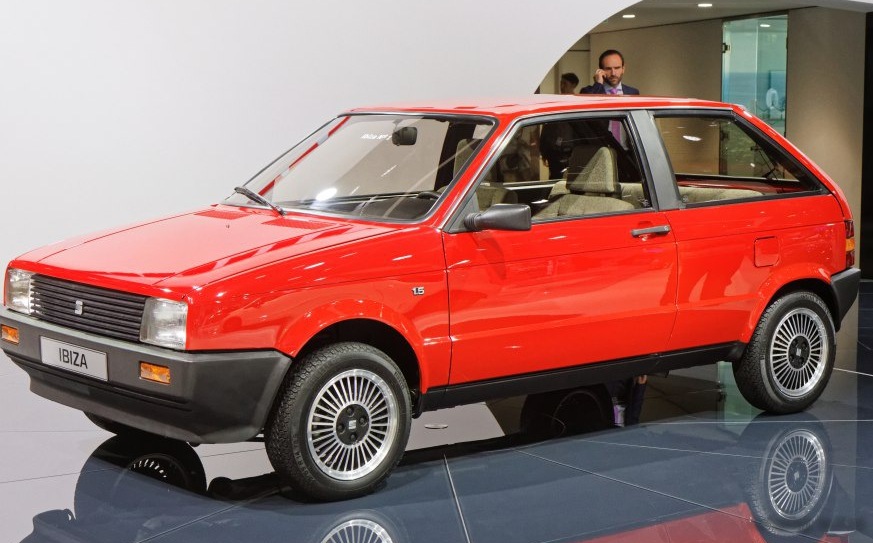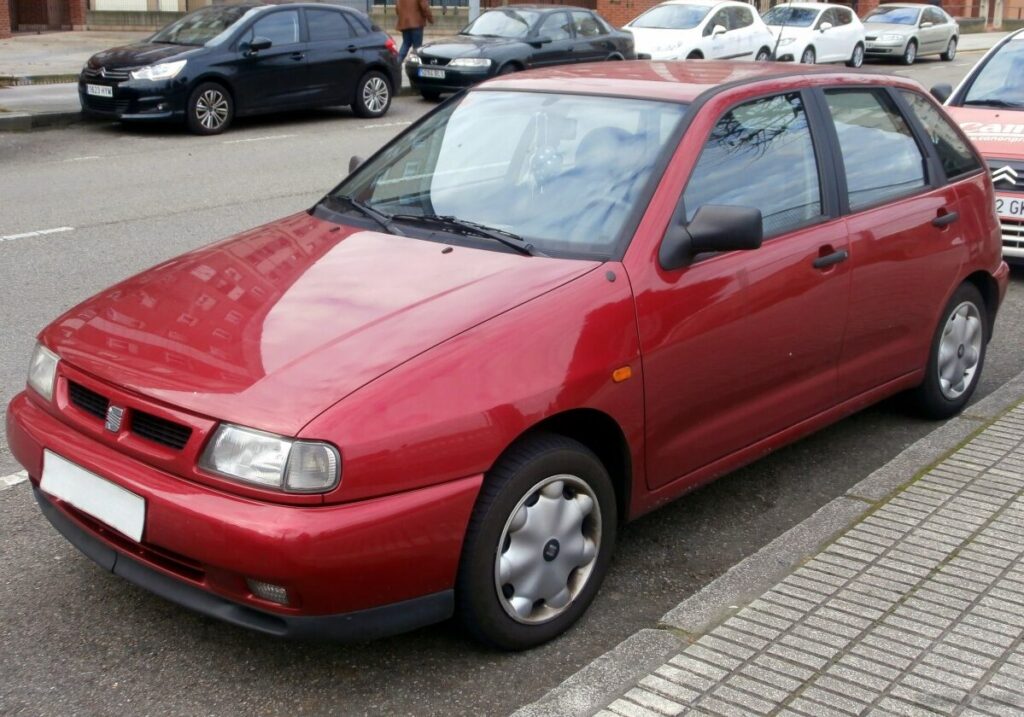
The Seat Ibiza II 1.9 D (64 hp) was a diesel-powered variant of the second-generation Seat Ibiza, produced from February 1993 to 1999. Positioned as the entry-level engine option within the Ibiza II range, it offered economical transportation aimed at budget-conscious buyers. This model utilized the Volkswagen Group’s 1HX0/A3 platform, shared with the Volkswagen Polo, and represented Seat’s attempt to establish itself as a maker of affordable, practical vehicles. The 1.9 D served as a direct alternative to gasoline-powered Ibiza models, and provided a more fuel-efficient, albeit slower, option compared to the 1.6-liter petrol engines available.
Powertrain & Engine Architecture
The heart of the Ibiza II 1.9 D was the 1Y diesel engine, a 1.9-liter inline four-cylinder unit. This engine was a mainstay of the Volkswagen Group’s diesel offerings during the 1990s, appearing in various models including the Volkswagen Golf, Polo, and Passat. The 1Y engine featured precombustion chamber injection, a system where fuel is injected into a small pre-chamber connected to the main combustion chamber. This design promotes more complete combustion and reduces engine noise compared to direct injection systems of the time. The engine displaced 1896 cc (115.7 cubic inches) and produced 64 horsepower (48 kW) at 4400 rpm and 124 Nm (91.46 lb-ft) of torque at 2000 rpm. It had a compression ratio of 22.5:1 and utilized an overhead camshaft (OHC) valvetrain with two valves per cylinder.
While a five-speed manual transmission was standard, an optional four-speed automatic transmission was available, though less common. The automatic transmission was a conventional hydraulic torque converter type, offering smooth but relatively slow gear changes. The engine oil capacity was 4.5 liters (4.76 US quarts), and the cooling system held 6.6 liters (6.97 US quarts). The 1Y engine was known for its durability, but also for its relatively noisy operation and modest performance.
Engine Codes & Variations
The 1Y engine code was consistently used throughout the production run of the Ibiza II 1.9 D. While minor variations existed based on market and emissions regulations, the core engine specifications remained largely unchanged. The engine’s robust construction and relatively simple design contributed to its longevity and ease of maintenance.
Driving Characteristics
The Seat Ibiza II 1.9 D with the 64 hp engine and five-speed manual transmission was not designed for spirited driving. Acceleration from 0 to 100 km/h (0-62 mph) took approximately 15.3 seconds, and top speed was limited to 165 km/h (102.53 mph). The engine’s torque peak at 2000 rpm provided reasonable pulling power for everyday driving, but overtaking maneuvers required careful planning. The optional four-speed automatic transmission further reduced performance, resulting in even slower acceleration and a less engaging driving experience. The gear ratios were optimized for fuel economy rather than outright speed.
The car’s handling was predictable and safe, but not particularly sporty. The suspension was tuned for comfort, absorbing bumps and imperfections in the road reasonably well. The steering was hydraulic, providing light and easy maneuverability, but lacked the precision of more performance-oriented models.
Equipment & Trim Levels
The Ibiza II 1.9 D typically came with a basic level of equipment, reflecting its position as the entry-level model. Standard features generally included power steering, central locking, and a basic stereo system. Interior upholstery was typically cloth, and the dashboard featured a simple, functional design. Optional extras included air conditioning, electric windows, and alloy wheels. Higher trim levels, such as the GLX, offered more luxurious appointments, including upgraded upholstery, a sunroof, and additional convenience features.
The interior space was adequate for a small hatchback, with seating for five passengers. Trunk space ranged from 270 liters (9.53 cubic feet) with the rear seats up to 580 liters (20.48 cubic feet) with the rear seats folded down. The car’s practicality and affordability made it a popular choice for small families and first-time car buyers.
Chassis & Braking
The Ibiza II 1.9 D utilized a front-wheel-drive layout with a MacPherson strut front suspension and a spring strut rear suspension. The front brakes were ventilated discs, providing adequate stopping power, while the rear brakes were drums. Anti-lock braking system (ABS) was available as an option, enhancing safety in emergency braking situations. The car’s curb weight of 975 kg (2149.51 lbs) contributed to its relatively good fuel economy. The front track measured 1429 mm (56.26 in), and the rear track was 1394 mm (54.88 in). Tire size was typically 185/60 R14, mounted on 5.5J x 14 inch wheel rims.
Market Reception & Comparison
The Seat Ibiza II 1.9 D was generally well-received by critics as a practical and economical small car. Its fuel economy of 5.8 l/100 km (40.6 US mpg) was a major selling point, particularly in Europe where diesel fuel was often cheaper than gasoline. However, the car’s performance was often criticized as being sluggish, especially when equipped with the optional automatic transmission. Compared to the 1.6-liter gasoline versions of the Ibiza II, the 1.9 D offered significantly better fuel economy but considerably less power. The 1.9 D also compared favorably to other small diesel cars of the time, such as the Peugeot 205 and Renault Clio, in terms of reliability and build quality.
The 1.9 D appealed to a different demographic than the more powerful Ibiza models. It was popular with drivers who prioritized fuel efficiency and low running costs over performance and driving excitement. It was often chosen by fleet operators and company car drivers.
Technical Specifications
| Brand | Seat |
| Model | Ibiza |
| Generation | Ibiza II |
| Type (Engine) | 1.9 D (64 Hp) |
| Start of production | February, 1993 |
| End of production | 1999 |
| Engine Model/Code | 1Y |
| Engine displacement | 1896 cm3 (115.7 cu. in.) |
| Number of cylinders | 4 |
| Engine configuration | Inline |
| Power | 64 Hp @ 4400 rpm |
| Torque | 124 Nm @ 2000 rpm (91.46 lb.-ft. @ 2000 rpm) |
| Fuel consumption (combined) | 5.8 l/100 km (40.6 US mpg, 48.7 UK mpg, 17.2 km/l) |
| Fuel Type | Diesel |
| Acceleration 0 – 100 km/h | 15.3 sec |
| Acceleration 0 – 62 mph | 15.3 sec |
| Acceleration 0 – 60 mph | 14.5 sec |
| Maximum speed | 165 km/h (102.53 mph) |
| Kerb Weight | 975 kg (2149.51 lbs) |
| Max. weight | 1450 kg (3196.7 lbs) |
| Fuel tank capacity | 47 l (12.42 US gal, 10.34 UK gal) |
| Length | 3813 mm (150.12 in) |
| Width | 1640 mm (64.57 in) |
| Height | 1408 mm (55.43 in) |
Legacy
The Seat Ibiza II 1.9 D, while not a performance icon, proved to be a reliable and economical vehicle. The 1Y engine is known for its durability and relatively low maintenance costs. Today, these cars are increasingly rare, but well-maintained examples can still be found. They appeal to enthusiasts seeking a simple, affordable, and fuel-efficient classic car. The 1.9 D powertrain is generally considered robust, but age-related issues such as corrosion and wear on suspension components are common. Parts availability is generally good, as many components were shared with other Volkswagen Group models. The Ibiza II 1.9 D represents a significant chapter in Seat’s history, demonstrating the brand’s ability to produce practical and affordable vehicles for the mass market.