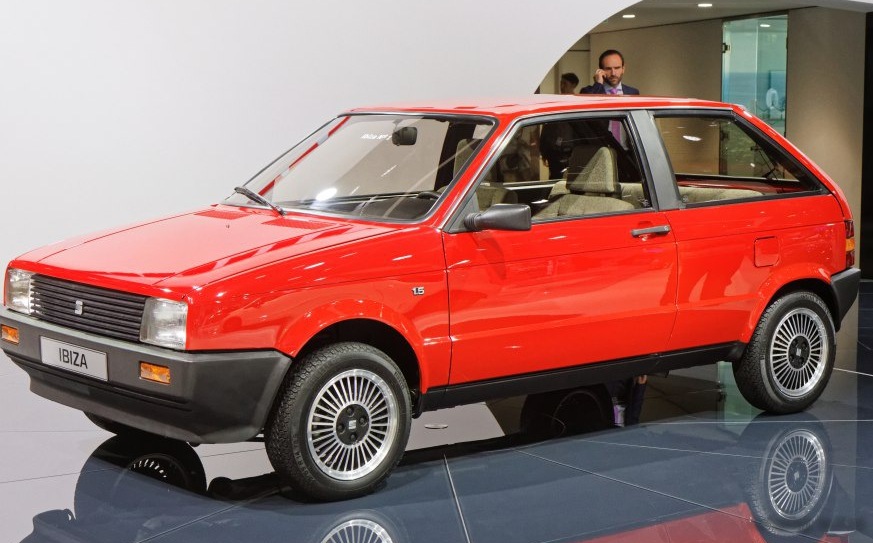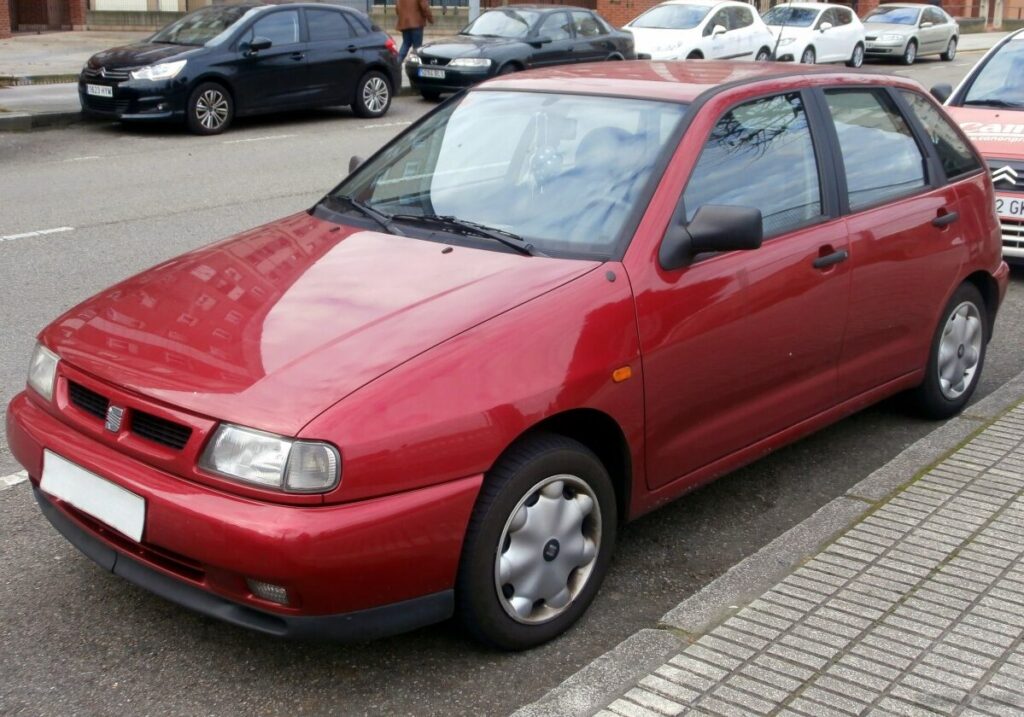
The Seat Ibiza II 1.9 D, produced between 1994 and 1996, represented an entry-level offering within the second generation of the popular Spanish hatchback. Positioned as the most economical variant of the Ibiza II range, it catered to buyers prioritizing fuel efficiency and low running costs over outright performance. This model utilized a naturally aspirated diesel engine and a five-speed manual transmission, distinguishing it from the gasoline-powered versions and offering a different driving experience. The Ibiza II itself was based on the Volkswagen Group’s 1HX0/A3 platform, shared with models like the Volkswagen Polo and Škoda Felicia, benefiting from a degree of modularity and cost-effectiveness in its design and production.
Powertrain & Engine Architecture
The heart of the Ibiza II 1.9 D was the 1Y diesel engine, a 1.9-liter inline four-cylinder unit. This engine was a mainstay in many Volkswagen Group vehicles of the era, known for its durability and relatively simple mechanical design. It featured precombustion chamber injection, a system where fuel is partially combusted in a small chamber before entering the main cylinder, promoting more complete combustion and reducing emissions. The engine displaced 1896 cc (115.7 cubic inches) and produced 68 horsepower at 4200 rpm and 150 Nm (110.63 lb-ft) of torque at 2400 rpm. The compression ratio was a high 22.5:1, typical for diesel engines. The engine employed an overhead camshaft (OHC) valvetrain with two valves per cylinder. Lubrication was provided by a 4.5-liter (4.76 US qt) oil supply, adhering to the oil specifications of the time. Cooling capacity was 6.6 liters (6.97 US qt).
Transmission
The 1.9 D was exclusively paired with a five-speed manual transmission. This gearbox was chosen to maximize fuel economy and provide a straightforward driving experience. The gear ratios were optimized for low-speed torque delivery, reflecting the engine’s characteristics. The transmission was a conventional setup, lacking any advanced features like electronic control or overdrive.
Driving Characteristics
The Seat Ibiza II 1.9 D offered a utilitarian driving experience. Acceleration was modest, taking approximately 15.3 seconds to reach 100 km/h (62 mph) and 14.5 seconds to 60 mph. The top speed was limited to 165 km/h (102.53 mph). The engine’s torque peak at 2400 rpm meant that usable power was available from relatively low engine speeds, making it suitable for everyday driving and urban conditions. However, the engine lacked the responsiveness of the gasoline-powered Ibiza models. The manual transmission required deliberate gear changes, and the overall driving experience was focused on efficiency rather than excitement. Compared to the more powerful gasoline variants, the 1.9 D felt significantly slower, but it offered a substantial advantage in fuel economy.
Equipment & Trim Levels
The Ibiza II 1.9 D was typically offered in a basic trim level, reflecting its position as the entry point to the range. Standard equipment generally included cloth upholstery, a basic dashboard layout, and manual windows and door locks. Power steering was often included, but air conditioning and central locking were typically optional extras. The interior was functional and durable, prioritizing practicality over luxury. The exterior featured steel wheels with hubcaps, and body-colored bumpers were often an optional upgrade. The 3-door and 5-door body styles were both available, offering varying levels of practicality.
Chassis & Braking
The Ibiza II 1.9 D utilized a front-wheel-drive layout. The front suspension consisted of wishbones, providing a reasonable level of ride comfort and handling. The rear suspension employed a spring strut setup, which was cost-effective but less sophisticated than independent rear suspension. The braking system featured disc brakes on the front wheels and drum brakes on the rear. Anti-lock braking system (ABS) was often available as an option, enhancing safety. The steering was a rack and pinion system with hydraulic power assistance. The vehicle rode on 185/60 R14 tires mounted on 5.5J x 14 steel wheels.
Market Reception & Comparison
The Seat Ibiza II 1.9 D was well-received by buyers seeking an economical and reliable hatchback. Critics praised its fuel efficiency, with a combined fuel consumption of 5.8 l/100 km (40.6 US mpg, 48.7 UK mpg), making it one of the most fuel-efficient cars in its class. However, its performance was often criticized as being lackluster. Compared to the 1.4 and 1.6-liter gasoline versions of the Ibiza II, the 1.9 D offered significantly less power but superior fuel economy. The 1.9 D also differed from the later 1.9 TDI models, which offered more power and torque thanks to turbocharging and direct injection. The 1.9 D was generally considered more reliable than the early TDI versions, due to its simpler mechanical design. It appealed to a different demographic – those prioritizing economy and practicality over performance and refinement.
Technical Specifications
| Brand | Seat |
| Model | Ibiza |
| Generation | Ibiza II |
| Type (Engine) | 1.9 D (68 Hp) |
| Start of production | 1994 |
| End of production | 1996 |
| Engine Displacement | 1896 cm3 (115.7 cu. in.) |
| Engine Code | 1Y |
| Number of Cylinders | 4, Inline |
| Power | 68 Hp @ 4200 rpm |
| Torque | 150 Nm @ 2400 rpm (110.63 lb.-ft. @ 2400 rpm) |
| Fuel Type | Diesel |
| Fuel Consumption (Combined) | 5.8 l/100 km (40.6 US mpg, 48.7 UK mpg, 17.2 km/l) |
| Acceleration 0-100 km/h | 15.3 sec |
| Maximum Speed | 165 km/h (102.53 mph) |
| Kerb Weight | 975 kg (2149.51 lbs) |
| Max. Weight | 1450 kg (3196.7 lbs) |
| Trunk (boot) space (min/max) | 270 l / 580 l (9.53 cu. ft. / 20.48 cu. ft.) |
| Fuel Tank Capacity | 47 l (12.42 US gal, 10.34 UK gal) |
| Transmission | 5-speed manual |
| Drive Wheels | Front Wheel Drive |
Legacy
The Seat Ibiza II 1.9 D, while not a performance icon, holds a respectable position in the used car market due to its inherent reliability and low running costs. The 1Y diesel engine is known for its durability, and with proper maintenance, it can accumulate high mileage. Parts availability remains relatively good, as many components were shared with other Volkswagen Group vehicles. Today, these cars are often sought after by those looking for an affordable and economical city car or a classic example of 1990s automotive engineering. While rust can be a concern on older examples, well-maintained Ibiza II 1.9 D models continue to provide reliable transportation and a nostalgic driving experience.