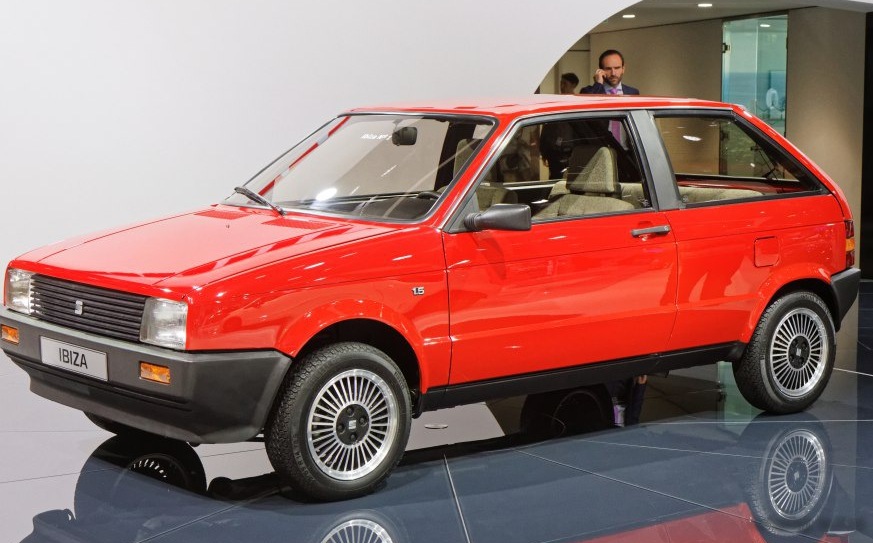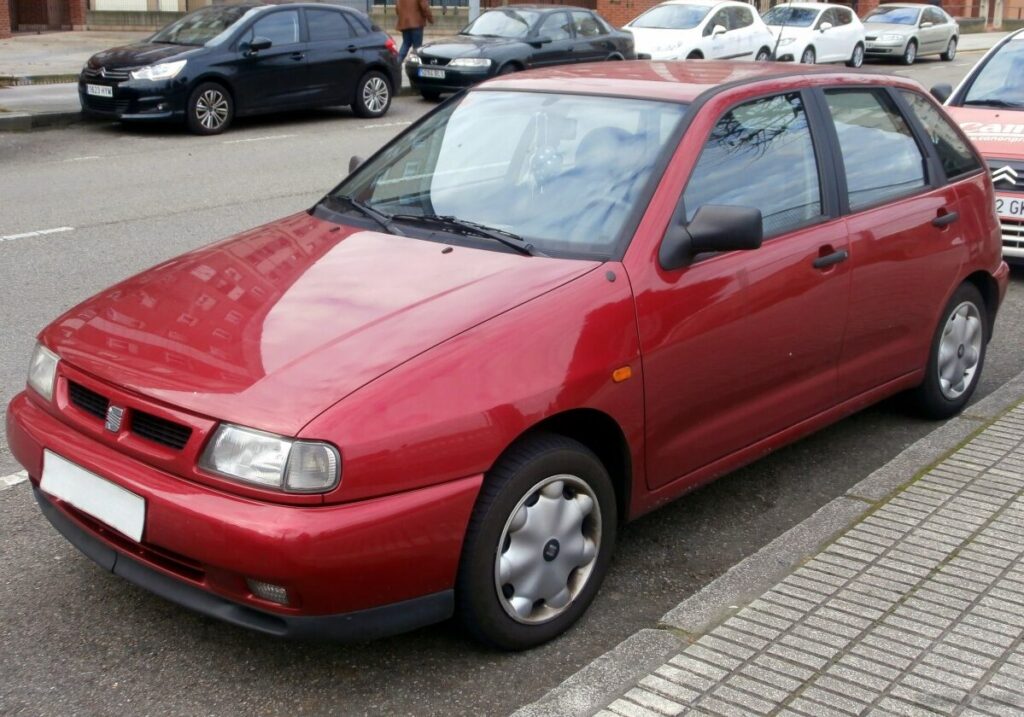
The Seat Ibiza II 2.0 i (115 hp) was a performance-oriented variant of the second-generation Seat Ibiza, produced between February 1993 and 1999. Positioned as the top-of-the-line engine option for the Ibiza II, it offered a significant power upgrade over the base models, appealing to drivers seeking a more engaging driving experience. The Ibiza II itself was built on the Volkswagen Group’s 1HX0/A3 platform, shared with models like the Volkswagen Polo and Škoda Felicia, representing a substantial leap forward in terms of design and engineering compared to its predecessor.
Powertrain & Engine Architecture
The heart of the Ibiza II 2.0 i was the 2E or AGG engine code, a 1984 cc (121.07 cu. in.) inline four-cylinder gasoline engine. This engine featured multi-port fuel injection, a relatively sophisticated system for its time, contributing to improved fuel efficiency and throttle response. The engine utilized an overhead camshaft (OHC) valvetrain with two valves per cylinder. Bore and stroke dimensions were 82.5 mm (3.25 in) and 92.8 mm (3.65 in) respectively, resulting in a compression ratio of 10:1. The 2.0-liter engine produced 115 hp at 5400 rpm and 166 Nm (122.44 lb-ft) of torque at 3200 rpm. While a five-speed manual transmission was standard, an optional four-speed automatic transmission was available, though less common and impacting performance figures.
Engine Codes: 2E vs. AGG
The 2E and AGG engine codes represent slight variations within the 2.0-liter family. The AGG engine, introduced later in the production run, featured minor refinements to the fuel injection system and ignition timing, resulting in marginally improved emissions and fuel economy. Mechanically, the engines were very similar, sharing the same core architecture and components. Both were known for their relative durability, though regular maintenance was crucial for longevity.
Driving Characteristics
The Ibiza II 2.0 i offered a noticeable performance advantage over the lower-displacement models. Acceleration from 0 to 100 km/h (0-62 mph) took approximately 9.3 seconds, and 0 to 60 mph was achieved in around 8.8 seconds. Top speed was rated at 195 km/h (121.17 mph). The 2.0-liter engine provided ample power for both city driving and highway cruising. The five-speed manual transmission allowed drivers to fully exploit the engine’s powerband, while the optional automatic, though convenient, resulted in some power loss and a less engaging driving experience. The gear ratios were tuned to provide a balance between acceleration and fuel efficiency, with a relatively short final drive to enhance responsiveness. Compared to the 1.4 or 1.6-liter versions, the 2.0 i felt significantly more powerful, particularly during overtaking maneuvers.
Equipment & Trim Levels
The 2.0 i trim level typically included a higher level of standard equipment compared to the base Ibiza models. Standard features often included power steering, central locking, electric front windows, and a basic stereo system. Interior upholstery was typically cloth, with options for upgraded materials. Dashboard configuration was relatively simple and functional, reflecting the car’s overall focus on practicality. Optional extras included air conditioning, alloy wheels, a sunroof, and upgraded audio systems. The specific trim level and available options varied depending on the market and year of production. The 2.0 i was often marketed as a sporty variant, and some special editions featured unique styling cues, such as body kits and spoilers.
Chassis & Braking
The Ibiza II 2.0 i utilized a front-wheel-drive layout with a MacPherson strut front suspension and a spring strut rear suspension. The suspension was tuned to provide a comfortable ride while maintaining reasonable handling characteristics. The front brakes were ventilated discs, providing adequate stopping power, while the rear brakes were typically solid discs. ABS (Anti-lock Braking System) was available as an option, enhancing safety in emergency braking situations. The chassis was reinforced compared to the lower-powered models to handle the increased torque output of the 2.0-liter engine. Stabilizer bars were fitted to both the front and rear axles to reduce body roll during cornering. Tire size was typically 185/60 R14.
Market Reception & Comparison
The Ibiza II 2.0 i was generally well-received by automotive critics, who praised its lively performance and relatively affordable price. It was often compared to other small hatchbacks of the era, such as the Peugeot 205 GTI and the Renault Clio Williams, though it typically offered a more practical and less overtly sporty driving experience. Fuel economy was rated at 7.6 l/100 km (30.9 US mpg, 37.2 UK mpg, 13.2 km/l), which was reasonable for a 2.0-liter engine of that era. Reliability was generally good, though regular maintenance was essential to prevent issues. Compared to the 1.4 and 1.6-liter Ibiza models, the 2.0 i commanded a higher price but offered a significantly more rewarding driving experience. The automatic transmission version, while offering convenience, was often criticized for its sluggish performance and reduced fuel economy.
Technical Specifications
| Body Type | Hatchback, 3-5 Doors |
| Engine Displacement | 1984 cm3 (121.07 cu. in.) |
| Engine Code | 2E, AGG |
| Number of Cylinders | 4, Inline |
| Fuel Type | Petrol (Gasoline) |
| Maximum Power | 115 hp @ 5400 rpm |
| Maximum Torque | 166 Nm (122.44 lb-ft) @ 3200 rpm |
| Compression Ratio | 10:1 |
| Fuel Injection | Multi-port manifold injection |
| Valvetrain | OHC (2 valves per cylinder) |
| Transmission | 5-speed manual, 4-speed automatic (optional) |
| Drive Wheels | Front Wheel Drive |
| Kerb Weight | 1005 kg (2215.65 lbs) |
| Maximum Weight | 1480 kg (3262.84 lbs) |
| Fuel Tank Capacity | 47 l (12.42 US gal, 10.34 UK gal) |
| Acceleration 0-100 km/h | 9.3 sec |
| Maximum Speed | 195 km/h (121.17 mph) |
| Trunk Space (min/max) | 270 l / 580 l (9.53 cu. ft / 20.48 cu. ft) |
Legacy
The Seat Ibiza II 2.0 i remains a popular choice among enthusiasts and collectors today. The 2E and AGG engines are known for their durability and relatively simple construction, making them relatively easy to maintain. Parts availability is generally good, although some specific components may be becoming increasingly scarce. The 2.0 i variant is often sought after for its performance and rarity, particularly in well-preserved condition. While not as iconic as some of its rivals, the Ibiza II 2.0 i represents a significant chapter in Seat’s history, showcasing the brand’s ability to produce a fun-to-drive and practical small hatchback. The automatic transmission versions are less desirable due to their performance limitations, while the manual transmission models command a premium in the used car market. Overall, the Ibiza II 2.0 i is considered a reliable and enjoyable classic car, offering a unique blend of performance, practicality, and affordability.