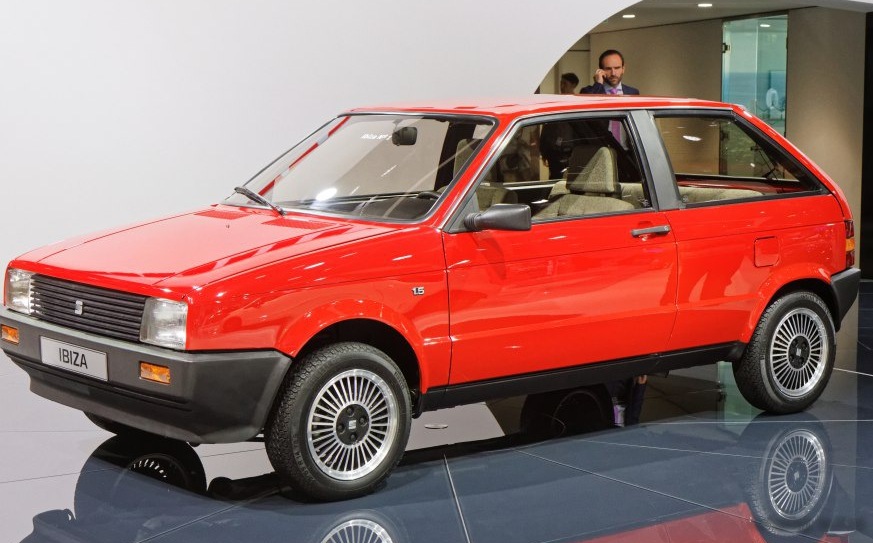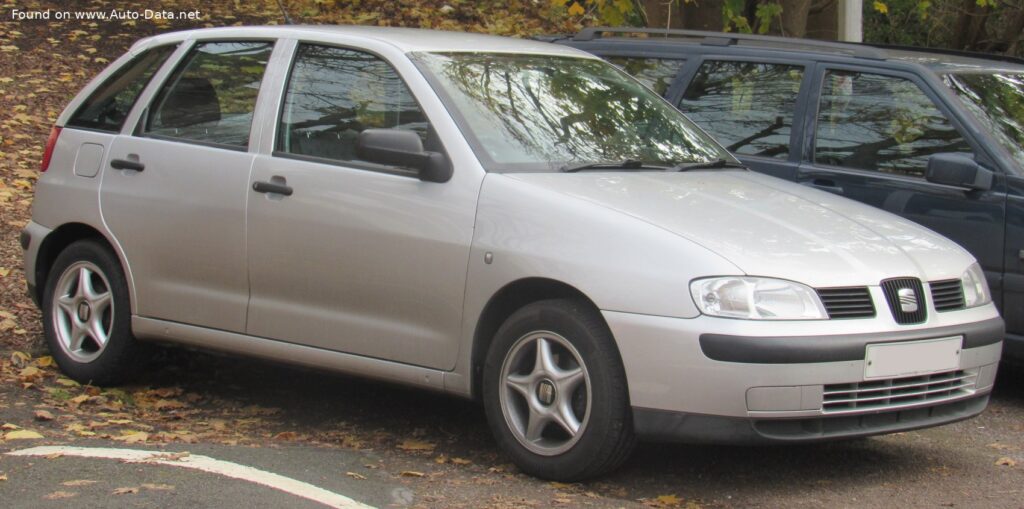
The Seat Ibiza II (facelift 1999) 1.8 T 20V, produced from 1999 to May 2002, represented a performance-oriented variant within the second generation of the popular Spanish hatchback. Positioned as a near-top-of-the-line model, it offered a significant power upgrade over the base engines, appealing to drivers seeking a more engaging driving experience. This model was built on the Volkswagen Group’s 1HX0/A3 platform, shared with vehicles like the Volkswagen Polo and Audi A3, benefiting from the platform’s inherent strengths in packaging and engineering. The 1.8 T 20V distinguished itself with its turbocharged engine, offering a blend of performance and relative fuel efficiency not found in the lower-spec Ibiza models.
Powertrain & Engine Architecture
The heart of the Ibiza II 1.8 T 20V is the 1781 cc (108.68 cu. in.) inline four-cylinder engine, designated with engine codes AQX or AYP. This engine is a member of the Volkswagen Group’s EA827 family, known for its robust construction and tuning potential. The “T” designation signifies the presence of a turbocharger, and “20V” indicates the engine features a dual overhead camshaft (DOHC) valvetrain with five valves per cylinder – three intake and two exhaust. This configuration optimizes gas flow for improved performance across the rev range.
Fuel delivery is managed by a multi-port manifold injection system, providing precise fuel metering for efficient combustion. The turbocharger, typically a Garrett or BorgWarner unit, forces more air into the cylinders, significantly increasing power output. The engine boasts a compression ratio of 9.5:1. Lubrication requires 4.5 liters (4.76 US qt / 3.96 UK qt) of oil meeting specific Volkswagen specifications. The cooling system holds 5 liters (5.28 US qt / 4.4 UK qt) of coolant.
While a five-speed manual transmission was standard, an optional four-speed automatic transmission was available. This automatic, though providing convenience, was not known for its sportiness and slightly detracted from the engine’s full potential. The automatic transmission’s gear ratios were geared towards fuel economy and smooth operation rather than aggressive acceleration.
Engine Specifications (AQX/AYP)
- Displacement: 1781 cm³ (108.68 cu. in.)
- Cylinder Bore: 81 mm (3.19 in.)
- Piston Stroke: 86.4 mm (3.4 in.)
- Power Output: 156 hp @ 5800 rpm
- Torque Output: 210 Nm (154.89 lb.-ft.) @ 1800 rpm
- Power per Liter: 87.6 hp/l
Driving Characteristics
The 1.8 T 20V Ibiza offered a noticeable step up in performance compared to the naturally aspirated engines available in the range. Acceleration from 0-100 km/h (0-62 mph) took approximately 7.9 seconds, and 0-60 mph was achievable in around 7.5 seconds. Maximum speed was electronically limited to 218 km/h (135.46 mph). The turbocharger provided a distinct surge of power in the mid-range, making overtaking maneuvers effortless.
The manual transmission version delivered a more engaging driving experience, allowing drivers to fully exploit the engine’s power band. The automatic transmission, while convenient, resulted in some power loss and a less responsive feel. The automatic’s shift points were programmed for comfort and economy, rather than maximizing performance. The weight-to-power ratio of 7.2 kg/hp and weight-to-torque ratio of 5.3 kg/Nm contributed to the car’s lively handling characteristics.
Equipment & Trim Levels
The 1.8 T 20V Ibiza typically came equipped with a higher level of standard features than the base models. These included power windows, central locking, power steering, and an upgraded audio system. Interior upholstery was generally cloth, but leather options were available. The dashboard featured a sporty design with aluminum trim accents. Optional extras included air conditioning, alloy wheels (typically 16-inch), and a sunroof. Safety features included ABS (Anti-lock Braking System) as standard equipment.
Trim levels varied slightly depending on the market, but generally, the 1.8 T 20V was positioned as a premium offering, often badged as “Sport” or “GT.” These trims often included additional cosmetic enhancements, such as a rear spoiler and sport suspension.
Chassis & Braking
The Ibiza II utilized a front-wheel-drive layout with a MacPherson strut front suspension and a spring strut rear suspension. The suspension was tuned to provide a balance between comfort and handling. Stabilizer bars were fitted to both the front and rear axles to reduce body roll during cornering. Braking duties were handled by disc brakes on all four wheels, providing adequate stopping power for the car’s performance capabilities. The steering system employed a hydraulic power steering rack and pinion for precise and responsive control.
The car rode on 195/45 R16 tires, providing good grip and handling characteristics. The kerb weight of 1120 kg (2469.18 lbs) contributed to the car’s nimble handling.
Market Reception & Comparison
The Seat Ibiza II 1.8 T 20V was generally well-received by automotive critics. It was praised for its strong performance, sporty handling, and relatively affordable price. However, the optional automatic transmission was often criticized for its lack of responsiveness. Compared to other trims in the Ibiza lineup, the 1.8 T 20V offered a significant performance advantage, but at the cost of slightly higher fuel consumption. Fuel economy figures were approximately 10.8 l/100 km (21.8 US mpg / 26.2 UK mpg) in urban driving and 6 l/100 km (39.2 US mpg / 47.1 UK mpg) on the extra-urban cycle.
Compared to rivals like the Volkswagen Polo GTI and Renault Clio Sport, the Ibiza 1.8 T 20V offered a competitive package, often undercutting them in price while delivering comparable performance.
Technical Specifications
| Body Type | Hatchback, 3 Doors, 5 Seats |
| Engine Type | Inline 4-Cylinder, Turbocharged |
| Engine Code | AQX, AYP |
| Engine Displacement | 1781 cm³ (108.68 cu. in.) |
| Power Output | 156 hp @ 5800 rpm |
| Torque Output | 210 Nm (154.89 lb.-ft.) @ 1800 rpm |
| Compression Ratio | 9.5:1 |
| Fuel Consumption (Urban) | 10.8 l/100 km (21.8 US mpg / 26.2 UK mpg) |
| Fuel Consumption (Extra-Urban) | 6 l/100 km (39.2 US mpg / 47.1 UK mpg) |
| Acceleration 0-100 km/h | 7.9 sec |
| Maximum Speed | 218 km/h (135.46 mph) |
| Kerb Weight | 1120 kg (2469.18 lbs) |
| Fuel Tank Capacity | 45 l (11.89 US gal / 9.9 UK gal) |
| Dimensions (L x W x H) | 3877 mm x 1640 mm x 1422 mm (152.64 in x 64.57 in x 55.98 in) |
| Wheelbase | 2443 mm (96.18 in) |
| Tire Size | 195/45 R16 |
Legacy
The Seat Ibiza II 1.8 T 20V has developed a loyal following among enthusiasts. The EA827 engine is known for its durability and tunability, making it a popular choice for modifications. While the automatic transmission versions are less sought after, the manual transmission models remain desirable. Today, well-maintained examples are becoming increasingly rare and are often valued by collectors. Common issues include turbocharger wear, oil leaks, and corrosion, particularly in regions with harsh winters. Overall, the 1.8 T 20V Ibiza represents a significant milestone in Seat’s history, demonstrating the brand’s ability to produce a genuinely sporty and engaging hatchback.