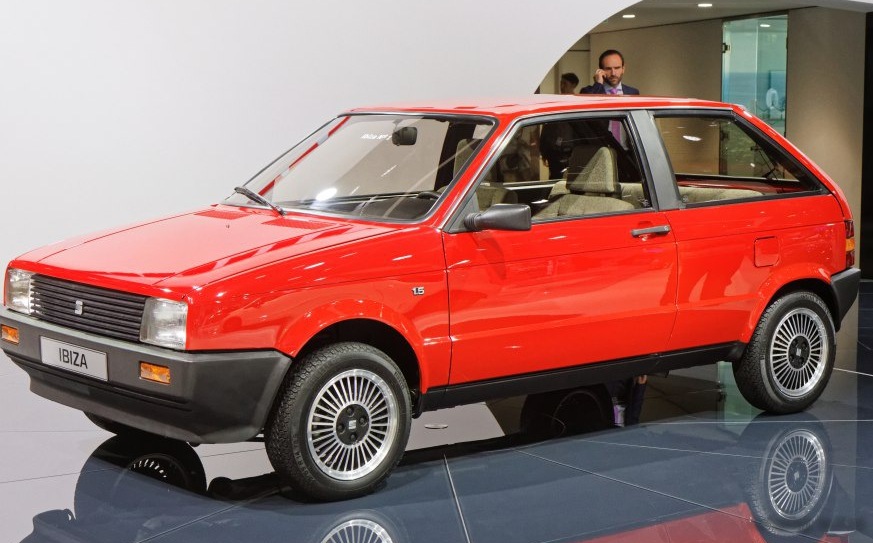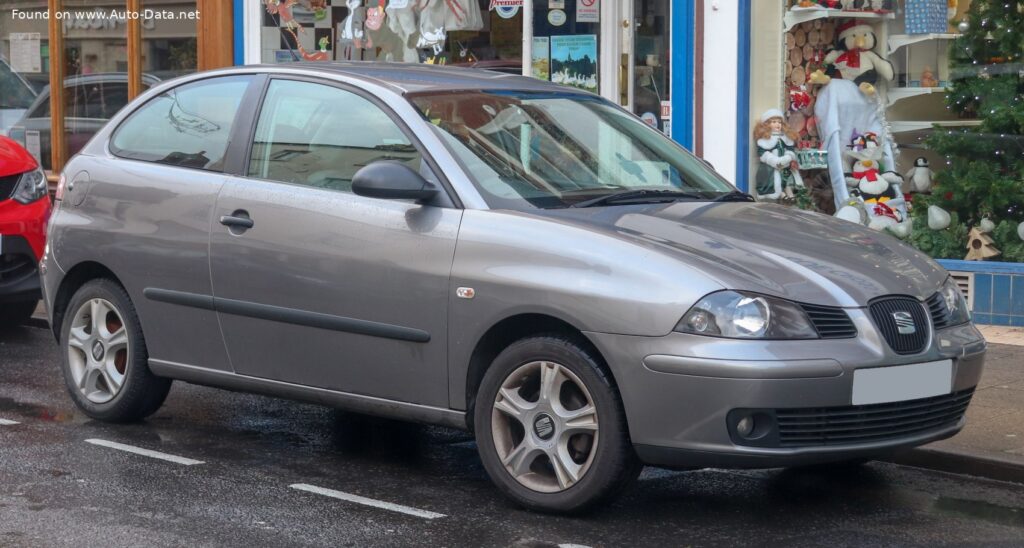
The Seat Ibiza III 1.4 TDi (75 hp) was a popular subcompact hatchback produced between May 2002 and May 2005. Positioned as the entry-level diesel variant within the third generation Ibiza (6L) range, it offered fuel efficiency and practicality for budget-conscious buyers. This model was part of the Volkswagen Group’s A05 (Ibiza/Polo) platform, sharing many components with the Volkswagen Polo Mk4 and Škoda Fabia Mk1. The 1.4 TDi aimed to provide a more economical alternative to the gasoline-powered Ibiza models, while offering a diesel driving experience that was becoming increasingly desirable in Europe.
Powertrain & Engine Architecture
The heart of the Ibiza III 1.4 TDi is the AMF engine code, a 1.4-liter inline three-cylinder diesel engine. This engine is a direct injection diesel, utilizing Volkswagen Group’s pump-nozzle (Unit Injector) technology. This system, developed by Bosch, delivers fuel directly into the combustion chamber at extremely high pressure, improving combustion efficiency and reducing emissions. The engine boasts a displacement of 1422 cm³ (86.78 cubic inches) with a bore of 79.5 mm (3.13 inches) and a stroke of 95.5 mm (3.76 inches). It features a compression ratio of 19.5:1 and a single overhead camshaft (OHC) operating two valves per cylinder. A turbocharger with an intercooler is employed to boost power output and improve torque across the rev range.
The engine produces 75 horsepower (52.7 hp/liter) at 4000 rpm and 195 Nm (143.82 lb-ft) of torque at 2200 rpm. The engine is transversely mounted in the front of the vehicle. The Ibiza III 1.4 TDi was exclusively offered with a five-speed manual transmission, designed to maximize fuel economy and provide adequate performance for everyday driving. The gearbox is a standard fully synchronized unit, with ratios tailored to the engine’s torque characteristics.
Fuel Injection and Turbocharging
The pump-nozzle injection system is a key feature of the AMF engine. Unlike older diesel injection systems, pump-nozzle technology uses a high-pressure pump for each cylinder, allowing for precise control of fuel delivery and multiple injection events per combustion cycle. This results in improved fuel atomization, reduced engine noise, and lower emissions. The turbocharger, coupled with an intercooler, forces more air into the engine, increasing power output. The intercooler cools the compressed air, further enhancing combustion efficiency.
Driving Characteristics
The Seat Ibiza III 1.4 TDi (75 hp) delivers a driving experience focused on fuel efficiency and practicality rather than outright performance. Acceleration from 0 to 100 km/h (0-62 mph) takes approximately 13.6 seconds, while 0 to 60 mph is achieved in around 12.9 seconds. The top speed is rated at 170 km/h (105.63 mph). The engine’s torque peak at 2200 rpm provides adequate pulling power for everyday driving situations, making it suitable for urban commutes and highway cruising. However, the limited horsepower means that overtaking maneuvers require careful planning. The five-speed manual transmission allows drivers to keep the engine in its optimal power band, maximizing efficiency and responsiveness. Compared to the more powerful gasoline variants of the Ibiza III, the 1.4 TDi offers significantly better fuel economy but sacrifices acceleration and overall performance. It also differs from the later 1.9 TDI models, which offered more power and torque but at the cost of increased fuel consumption and potentially higher maintenance costs.
Equipment & Trim Levels
The Ibiza III 1.4 TDi typically came with a relatively basic level of standard equipment, reflecting its position as the entry-level diesel model. Standard features generally included power steering, ABS (Anti-lock Braking System), front airbags, and a basic audio system. Interior upholstery was typically cloth, with a functional and durable design. The dashboard layout was straightforward and focused on practicality. Optional extras available for the 1.4 TDi included air conditioning, electric windows, central locking, and alloy wheels. Higher trim levels, such as the ‘Stella’ or ‘Sport’, offered additional features like upgraded interior trim, a more sophisticated audio system, and exterior styling enhancements. However, the 1.4 TDi was rarely equipped with the full range of optional extras, as buyers typically prioritized affordability.
Chassis & Braking
The Ibiza III 1.4 TDi utilizes a front-wheel-drive layout. The front suspension consists of a wishbone setup, providing a comfortable ride and predictable handling. The rear suspension employs a spring strut configuration, which is cost-effective and space-efficient. The braking system features ventilated discs on the front wheels and solid discs on the rear wheels. The hydraulic power steering provides light and responsive steering feel. Tire size is typically 185/60 R14. The chassis and braking system were designed to handle the relatively modest power output and weight of the 1.4 TDi engine, providing adequate stopping power and stability in normal driving conditions. The weight-to-power ratio is 14.6 kg/hp, and the weight-to-torque ratio is 5.6 kg/Nm.
Market Reception & Comparison
The Seat Ibiza III 1.4 TDi was generally well-received by critics for its fuel efficiency and practicality. It was praised as an affordable and economical option for buyers seeking a small hatchback. However, some reviewers noted that the engine lacked power, particularly when fully loaded or driving uphill. Compared to the gasoline-powered Ibiza models, the 1.4 TDi offered significantly better fuel economy – achieving approximately 52.3 US mpg (62.8 UK mpg) on a combined cycle. It also compared favorably to the later 1.9 TDI models in terms of running costs, although the 1.9 TDI offered superior performance. The 1.4 TDi’s main competitors included the Volkswagen Polo 1.4 TDI, Škoda Fabia 1.4 TDI, and other small diesel hatchbacks available in the European market.
Technical Specifications
| Brand | Seat |
| Model | Ibiza |
| Generation | Ibiza III |
| Type (Engine) | 1.4 TDi (75 Hp) |
| Start of production | May, 2002 |
| End of production | May, 2005 |
| Powertrain Architecture | Internal Combustion engine |
| Body type | Hatchback |
| Seats | 5 |
| Doors | 3-5 |
| Fuel consumption (urban) | 5.6 l/100 km (42 US mpg, 50.4 UK mpg) |
| Fuel consumption (extra urban) | 4 l/100 km (58.8 US mpg, 70.6 UK mpg) |
| Fuel consumption (combined) | 4.5 l/100 km (52.3 US mpg, 62.8 UK mpg) |
| Fuel Type | Diesel |
| Acceleration 0 – 100 km/h | 13.6 sec |
| Acceleration 0 – 62 mph | 13.6 sec |
| Acceleration 0 – 60 mph | 12.9 sec |
| Maximum speed | 170 km/h (105.63 mph) |
| Power | 75 Hp @ 4000 rpm |
| Torque | 195 Nm @ 2200 rpm (143.82 lb.-ft. @ 2200 rpm) |
| Engine layout | Front, Transverse |
| Engine Model/Code | AMF |
| Engine displacement | 1422 cm3 (86.78 cu. in.) |
| Number of cylinders | 3 |
| Cylinder Bore | 79.5 mm (3.13 in.) |
| Piston Stroke | 95.5 mm (3.76 in.) |
| Compression ratio | 19.5:1 |
| Engine oil capacity | 4.2 l (4.44 US qt | 3.7 UK qt) |
| Coolant | 6 l (6.34 US qt | 5.28 UK qt) |
| Kerb Weight | 1095 kg (2414.06 lbs.) |
| Trunk (boot) space – minimum | 265 l (9.36 cu. ft.) |
| Trunk (boot) space – maximum | 1030 l (36.37 cu. ft.) |
| Fuel tank capacity | 45 l (11.89 US gal | 9.9 UK gal) |
| Length | 3955 mm (155.71 in.) |
| Width | 1700 mm (66.93 in.) |
| Height | 1440 mm (56.69 in.) |
| Wheelbase | 2460 mm (96.85 in.) |
| Number of gears | 5 |
| Gearbox type | Manual transmission |
Legacy
The Seat Ibiza III 1.4 TDi (75 hp) has proven to be a relatively reliable powertrain, particularly when properly maintained. The AMF engine is known for its durability, and the simple mechanical design makes it relatively easy to repair. However, like all diesel engines, it is susceptible to issues related to the fuel injection system and turbocharger. In the used car market today, the Ibiza III 1.4 TDi remains an affordable and economical option for buyers seeking a small hatchback. Its fuel efficiency and low running costs continue to be attractive features. While it may not offer the performance or refinement of more modern vehicles, it represents a practical and reliable choice for those prioritizing affordability and economy.