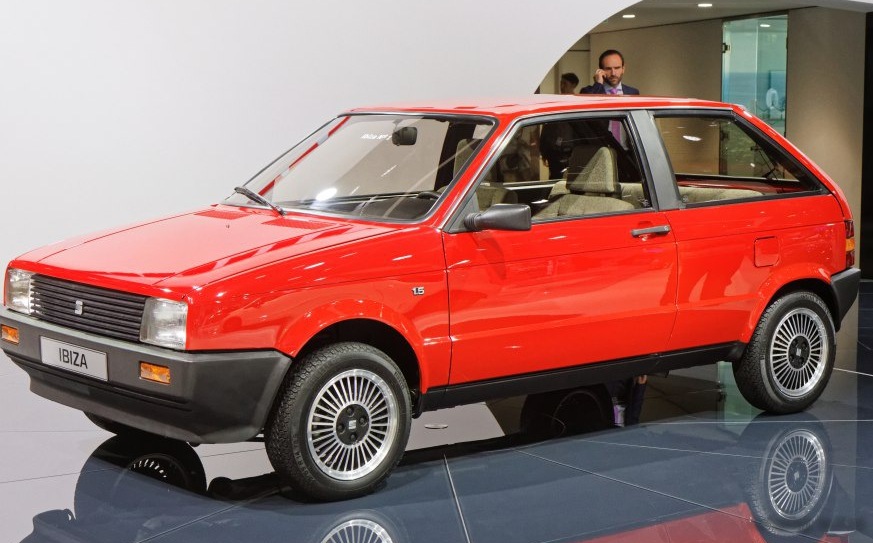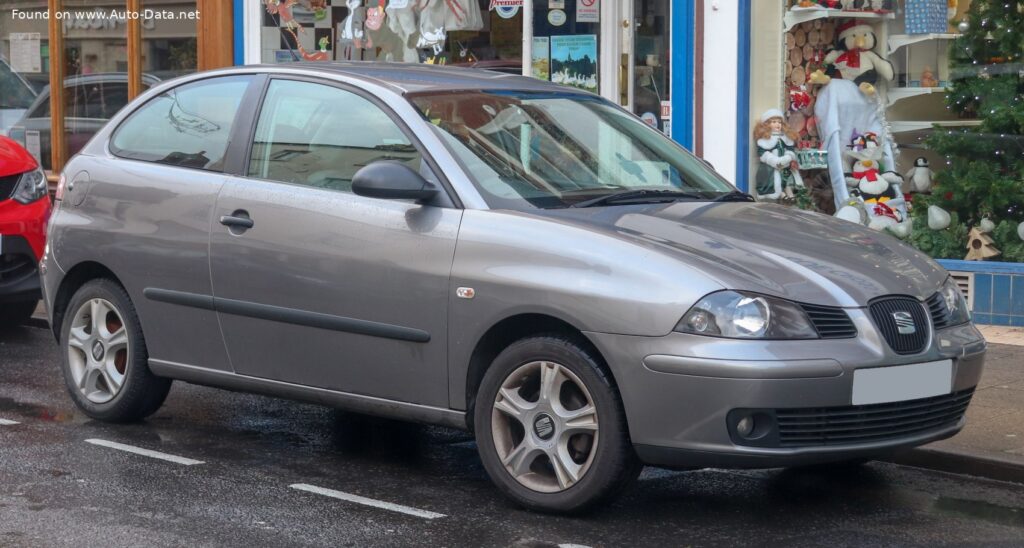
The Seat Ibiza III 1.9 TDI (101 hp) was a popular subcompact hatchback produced between 2002 and 2006, forming a key part of the third-generation Ibiza (6L) lineup. Positioned as a fuel-efficient and practical option, it catered to buyers seeking a balance between economy and performance. The Ibiza III, built on the Volkswagen Group’s PQ24 platform (also known as the 1HX0/A3 platform), represented a significant step forward in terms of design, safety, and overall refinement compared to its predecessors. This particular 1.9 TDI variant offered a diesel engine option within a range that also included smaller gasoline engines, providing a compelling alternative for drivers covering high mileages.
The 1.9 TDI Engine: A Detailed Overview
The heart of this Ibiza variant is the 1.9-liter inline-four cylinder diesel engine, specifically utilizing either the ATD or AXR engine code depending on the specific production year and market. This engine was a mainstay in the Volkswagen Group’s diesel offerings during the early 2000s, known for its robustness and relatively simple mechanical design. It featured a cast iron block and an aluminum cylinder head, employing a sophisticated pump-nozzle (unit injector) fuel injection system developed by Bosch. This system allowed for precise fuel delivery and contributed to the engine’s efficiency and torque output.
Powertrain Architecture and Fuel Injection
The 1896 cc engine boasts a bore of 79.5 mm and a stroke of 95.5 mm, resulting in a compression ratio of 19:1 – typical for a direct injection diesel. The overhead camshaft (OHC) operates two valves per cylinder. The pump-nozzle injection system, a precursor to common rail technology, injects fuel directly into the combustion chamber at extremely high pressure. This design allowed for multiple injection events per combustion cycle, optimizing combustion for reduced emissions and improved fuel economy. The engine is transversely mounted in the front of the vehicle, driving the front wheels.
Transmission
The 1.9 TDI engine in the Ibiza III was typically paired with a five-speed manual transmission. While a six-speed manual was available on some models, the five-speed was the most common configuration. An optional four-speed automatic transmission was also offered, though it was less popular due to its impact on fuel economy and performance. The automatic transmission, while providing convenience, was known to be less refined than the manual and contributed to slightly slower acceleration times.
Driving Characteristics
The 1.9 TDI-powered Ibiza III offered a distinctly different driving experience compared to the smaller gasoline-powered versions. The engine’s 240 Nm (177 lb-ft) of torque, available from just 1800 rpm, provided strong low-end and mid-range acceleration. This made it particularly well-suited for everyday driving and overtaking maneuvers. While the 101 hp output wasn’t particularly high, the engine’s torque characteristics meant that the car felt surprisingly punchy. The 0-62 mph (0-100 km/h) acceleration time of around 8.9 seconds was respectable for a subcompact diesel of that era.
Compared to the 1.4-liter gasoline engines available in the Ibiza III range, the 1.9 TDI offered significantly more torque and better fuel economy. However, it lacked the higher-revving nature and responsiveness of the gasoline engines. The automatic transmission, when equipped, further dulled the driving experience, with noticeable delays in gear changes and a less engaging feel. The manual transmission provided a more direct and enjoyable connection to the engine.
Equipment & Trim Levels
The Ibiza III 1.9 TDI was available in various trim levels, typically including Reference, Stylance, and Sport. The base Reference trim offered essential features such as central locking, power steering, and front airbags. The Stylance trim added features like alloy wheels, air conditioning, and an upgraded audio system. The Sport trim, as the name suggests, included sporty styling cues, such as a lowered suspension and unique interior trim. Standard interior features across most trims included cloth upholstery and a functional, if somewhat basic, dashboard layout. Optional extras included a sunroof, rear power windows, and upgraded audio systems.
Chassis & Braking
The Ibiza III utilized a front independent suspension with wishbones and a rear semi-independent torsion beam suspension. This setup provided a reasonable balance between ride comfort and handling. The steering was a hydraulic power-assisted rack and pinion system, offering a decent level of feel and precision. Braking duties were handled by ventilated discs on the front wheels and either discs or drums on the rear wheels, depending on the trim level. Anti-lock Braking System (ABS) was standard across all trims, enhancing safety. The curb weight of approximately 1140 kg (2513 lbs) contributed to the car’s nimble handling characteristics.
Market Reception & Comparison
The Seat Ibiza III 1.9 TDI was generally well-received by automotive critics. It was praised for its fuel efficiency, strong torque, and overall practicality. However, some critics noted the engine could be somewhat noisy and that the automatic transmission wasn’t as refined as those found in some competitors. Compared to other subcompacts of the time, such as the Ford Fiesta and Renault Clio, the Ibiza III offered a compelling combination of value and performance. Its diesel engine provided a significant advantage in terms of fuel economy, making it a popular choice for drivers covering long distances. The 1.9 TDI variant consistently outperformed the smaller gasoline engines in terms of fuel consumption, achieving combined fuel economy figures of around 4.9 l/100 km (48 US mpg).
Technical Specifications
| Brand | Seat |
| Model | Ibiza |
| Generation | Ibiza III |
| Type (Engine) | 1.9 TDi (101 Hp) |
| Start of production | 2002 year |
| End of production | 2006 year |
| Fuel consumption (urban) | 6.4 l/100 km (36.8 US mpg) |
| Fuel consumption (extra urban) | 4 l/100 km (58.8 US mpg) |
| Fuel consumption (combined) | 4.9 l/100 km (48 US mpg) |
| Fuel Type | Diesel |
| Acceleration 0 – 100 km/h | 8.9 sec |
| Acceleration 0 – 62 mph | 8.9 sec |
| Maximum speed | 190 km/h (118.06 mph) |
| Kerb Weight | 1140 kg (2513.27 lbs) |
| Engine Displacement | 1896 cm3 (115.7 cu. in.) |
| Power | 101 Hp @ 4000 rpm |
| Torque | 240 Nm @ 1800 rpm (177.01 lb.-ft. @ 1800 rpm) |
| Engine Code | ATD, AXR |
| Number of cylinders | 4 |
| Fuel injection system | Pump-nozzle (Unit Injector) |
Legacy
The Seat Ibiza III 1.9 TDI remains a relatively common sight on used car markets today. The 1.9 TDI engine, despite its age, is known for its durability and reliability, provided it has been properly maintained. Regular oil changes and attention to the fuel system are crucial for long-term reliability. While some components, such as the turbocharger and fuel pump, may eventually require replacement, the engine’s robust construction means that many examples are still running reliably with high mileage. The Ibiza III 1.9 TDI represents a practical and economical choice for buyers seeking a reliable subcompact hatchback, offering a blend of fuel efficiency, performance, and affordability. However, potential buyers should be aware of the age-related issues common to vehicles of this era, such as corrosion and wear and tear on suspension components.