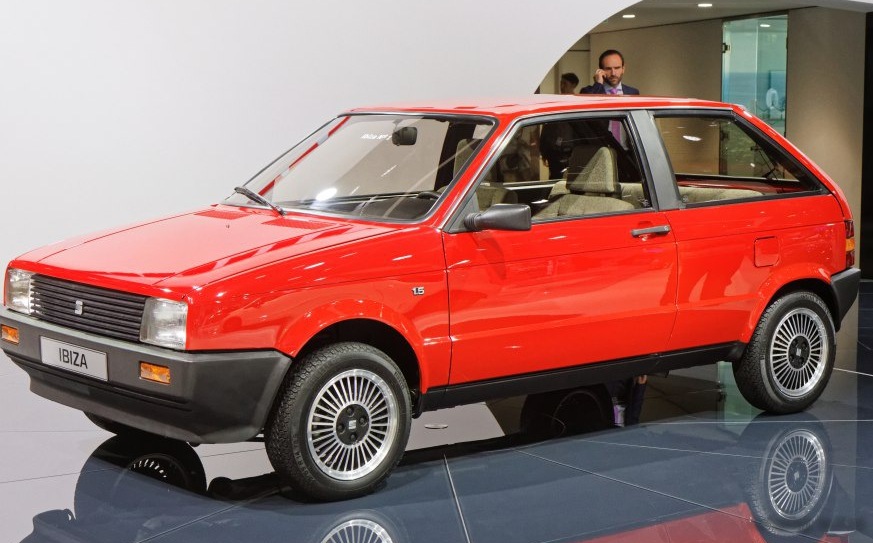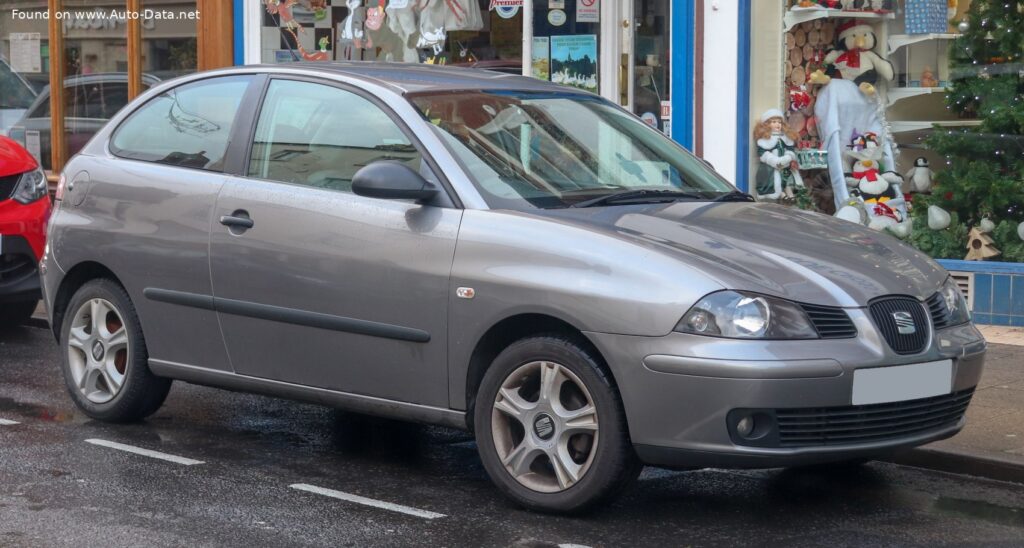
The Seat Ibiza III Cupra 1.8 i 20V, produced between 2004 and 2006, represented the performance pinnacle of the third-generation Ibiza (6L) range. Positioned as the hot hatch variant, it offered a significant step up in power and handling compared to the standard Ibiza models. Built on the Volkswagen Group’s PQ24 platform – also known as the 1HX0/A3 platform – the Cupra aimed to deliver a sporty driving experience in a compact and practical package. This model was a direct competitor to other European hot hatches like the Renault Clio Sport and the Peugeot 206 GTI.
Powertrain & Engine Architecture
The heart of the Ibiza Cupra 1.8 i 20V is the BBU or BLZ engine code, a 1781cc (108.68 cubic inches) inline four-cylinder gasoline engine. This engine is a member of Volkswagen Group’s EA827 family, known for its robust construction and tuning potential. The engine featured multi-port fuel injection, a double overhead camshaft (DOHC) valvetrain with five valves per cylinder (20 valves total), and a turbocharger with an intercooler. This combination allowed for a substantial power output for its displacement.
The turbocharger, typically a Garrett GT28 unit, provided significant boost, contributing to the engine’s 180 horsepower at 5800 rpm and 245 Nm (180.7 lb-ft) of torque at 2000 rpm. The compression ratio was set at 9.5:1. Engine oil capacity is 4.5 liters (4.76 US quarts), and the recommended coolant capacity is 5 liters (5.28 US quarts). The engine’s transverse mounting and front-wheel drive configuration were standard for vehicles in this class.
Transmission
While a six-speed manual transmission was the most common pairing for the Cupra, a four-speed automatic transmission was also offered, though less frequently. This automatic option, while providing convenience, altered the driving experience significantly. The automatic transmission featured electronic control and adaptive shift programming, aiming to optimize gear selection based on driving conditions. However, it did result in a slight performance decrease and increased fuel consumption compared to the manual version.
Driving Characteristics
The Ibiza Cupra 1.8 i 20V, particularly with the manual transmission, offered a lively and engaging driving experience. Acceleration from 0 to 100 km/h (0-62 mph) took approximately 7.3 seconds, and 0 to 60 mph was achieved in around 6.9 seconds. The maximum speed was electronically limited to 230 km/h (142.92 mph). The turbocharger provided a noticeable surge of power, delivering strong acceleration in the mid-range. The 245 Nm of torque was readily available from 2000 rpm, making the car feel responsive in everyday driving situations.
The automatic transmission version, while still offering respectable performance, felt less immediate. The automatic gear changes, while smooth, introduced a slight delay, diminishing the sense of urgency. The gear ratios were optimized for a balance between acceleration and fuel economy, but the automatic version couldn’t quite match the responsiveness of the manual.
Equipment & Trim Levels
The Cupra trim level was the highest specification available on the Ibiza III. Standard features included sports seats with unique upholstery, a leather-wrapped steering wheel, alloy wheels (typically 17-inch), and air conditioning. The dashboard featured a distinctive instrument cluster with unique graphics and a prominent turbo boost gauge.
Optional extras included a sunroof, upgraded audio system, and parking sensors. The interior trim was generally focused on a sporty aesthetic, with aluminum pedals and a dark color scheme. The Cupra also benefited from subtle exterior styling enhancements, including a rear spoiler, side skirts, and a unique front bumper.
Chassis & Braking
The Ibiza Cupra featured a sport-tuned suspension system designed to enhance handling and reduce body roll. The front suspension utilized a wishbone configuration, while the rear employed a spring strut setup. Stabilizer bars were fitted to both the front and rear axles to further improve stability. The Cupra’s chassis was lowered compared to standard Ibiza models, contributing to a more aggressive stance and improved aerodynamics.
Braking duties were handled by ventilated discs on the front wheels and solid discs on the rear. An Anti-lock Braking System (ABS) was standard equipment. The steering system was a hydraulic power steering rack and pinion, providing precise and responsive steering feel. The standard tire size was 205/40 R17, offering a good balance between grip and ride comfort.
Market Reception & Comparison
The Seat Ibiza Cupra 1.8 i 20V was generally well-received by automotive critics. It was praised for its strong performance, engaging handling, and relatively affordable price point. However, some reviewers noted that the interior quality, while improved over previous Ibiza generations, still lagged behind some of its competitors. The automatic transmission version received mixed reviews, with many preferring the more engaging experience offered by the manual gearbox.
Compared to other trims in the Ibiza lineup, the Cupra represented a significant upgrade in terms of performance and handling. The base models, with their smaller engines and less sophisticated suspension, offered a more economical and comfortable ride, but lacked the Cupra’s sporty character. The Cupra’s fuel economy, while not as good as the lower-powered models (approximately 10.9 l/100 km urban, 6.1 l/100 km extra-urban), was still reasonable for a hot hatch of its era.
Technical Specifications
| Brand | Seat |
| Model | Ibiza |
| Generation | Ibiza III |
| Type | Cupra 1.8 i 20V (180 Hp) |
| Start of production | May, 2004 |
| End of production | 2006 |
| Engine Type | Internal Combustion engine |
| Body Type | Hatchback |
| Seats | 5 |
| Doors | 3-5 |
| Fuel Consumption (Urban) | 10.9 l/100 km (21.6 US mpg) |
| Fuel Consumption (Extra Urban) | 6.1 l/100 km (38.6 US mpg) |
| Fuel Type | Petrol (Gasoline) |
| Acceleration 0-100 km/h | 7.3 sec |
| Acceleration 0-62 mph | 7.3 sec |
| Acceleration 0-60 mph | 6.9 sec |
| Maximum Speed | 230 km/h (142.92 mph) |
| Weight-to-Power Ratio | 6.5 kg/Hp |
| Power | 180 Hp @ 5800 rpm |
| Torque | 245 Nm @ 2000 rpm (180.7 lb.-ft. @ 2000 rpm) |
| Engine Layout | Front, Transverse |
| Engine Model/Code | BBU, BLZ |
| Engine Displacement | 1781 cm3 (108.68 cu. in.) |
| Number of Cylinders | 4 |
| Engine Configuration | Inline |
| Cylinder Bore | 81 mm (3.19 in.) |
| Piston Stroke | 86.4 mm (3.4 in.) |
| Compression Ratio | 9.5:1 |
| Number of Valves per Cylinder | 5 |
| Fuel Injection System | Multi-port manifold injection |
| Engine Aspiration | Turbocharger, Intercooler |
| Valvetrain | DOHC |
| Engine Oil Capacity | 4.5 l (4.76 US qt | 3.96 UK qt) |
| Coolant Capacity | 5 l (5.28 US qt | 4.4 UK qt) |
| Kerb Weight | 1177 kg (2594.84 lbs.) |
| Max. Weight | 1650 kg (3637.63 lbs.) |
| Trunk (boot) space – minimum | 265 l (9.36 cu. ft.) |
| Trunk (boot) space – maximum | 1030 l (36.37 cu. ft.) |
| Fuel Tank Capacity | 45 l (11.89 US gal | 9.9 UK gal) |
| Length | 3955 mm (155.71 in.) |
| Width | 1700 mm (66.93 in.) |
| Height | 1440 mm (56.69 in.) |
| Wheelbase | 2460 mm (96.85 in.) |
| Number of Gears | 5 |
| Gearbox Type | Manual Transmission |
Legacy
The Seat Ibiza Cupra 1.8 i 20V has developed a loyal following among enthusiasts. The BBU and BLZ engines are known for their durability and potential for modification. While not immune to age-related issues, the powertrain is generally considered reliable if properly maintained. Common issues include turbocharger wear, oil leaks, and occasional problems with the electronic fuel injection system.
On the used car market, the Ibiza Cupra 1.8 i 20V commands a premium over standard Ibiza models, particularly well-maintained examples with low mileage. The manual transmission versions are generally more desirable due to their superior driving experience. The car remains a popular choice for those seeking an affordable and engaging hot hatch with a distinctive Spanish flair.