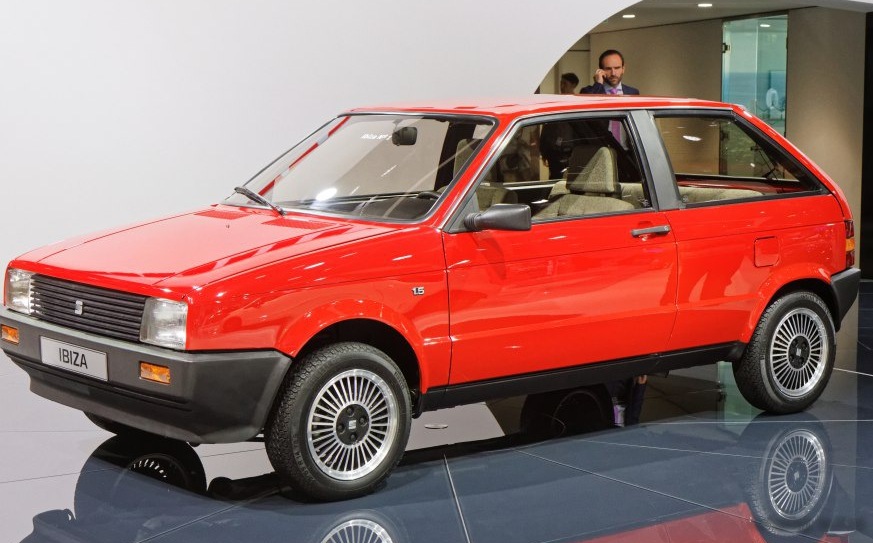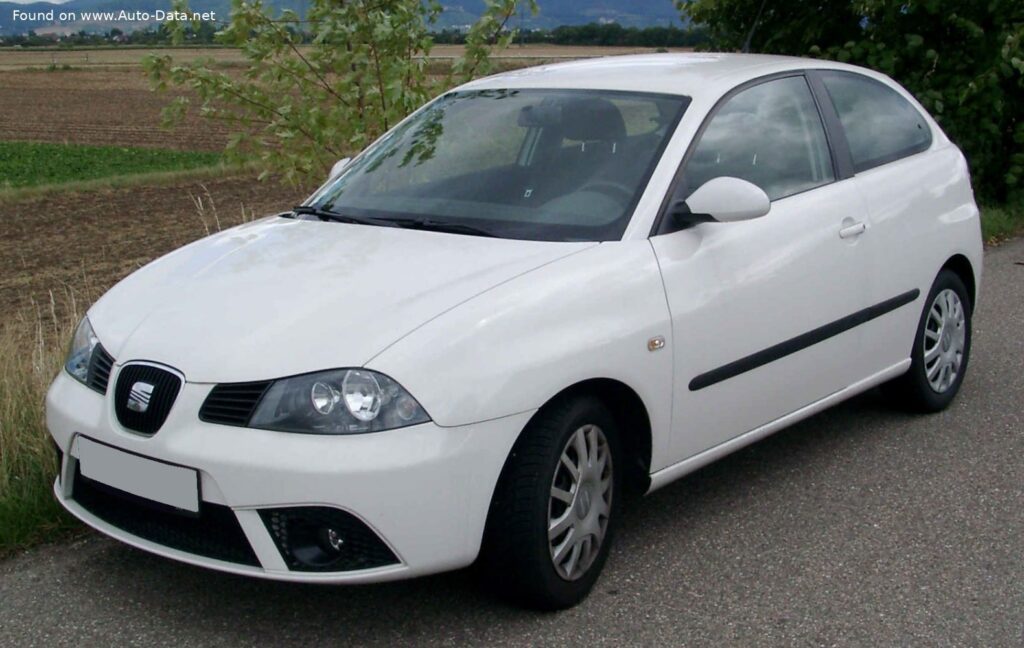
The Seat Ibiza III (facelift, introduced in November 2006) 1.6, producing 105 horsepower, represented a key offering in Seat’s lineup during its production run through 2008. This variant occupied a middle ground within the Ibiza III range, positioned above the lower-powered 1.4-liter models and below the sportier, higher-performance versions like the Cupra. Built on the Volkswagen Group’s PQ24 platform (also known as the 1HX0/A3 platform), the facelifted Ibiza aimed to modernize the third-generation model with revised styling and updated engine options. The 1.6-liter engine, coupled with a five-speed manual transmission, provided a balance of performance and fuel efficiency, targeting buyers seeking a practical and reasonably engaging hatchback.
Powertrain & Engine Architecture
The heart of the Ibiza 1.6 was the BTS engine code, a 1.6-liter inline four-cylinder gasoline engine. This engine was part of the Volkswagen Group’s EA827 family, known for its relatively simple and robust design. It featured a naturally aspirated configuration, meaning it did not employ turbocharging or supercharging. The engine utilized a multi-port fuel injection system, delivering fuel directly into the intake ports just before the intake valves. This system, while not as advanced as direct injection, was reliable and contributed to good throttle response.
The valvetrain consisted of two valves per cylinder (two intake and two exhaust), operated by a single overhead camshaft. This configuration kept the engine relatively compact and simple to maintain. The engine’s bore and stroke measured 76.5 mm (3.01 inches) and 86.9 mm (3.42 inches) respectively, resulting in a displacement of 1598 cm³ (97.52 cubic inches). A compression ratio of 10.5:1 was employed to optimize combustion efficiency. The engine required 3.6 liters (3.8 US quarts) of engine oil, typically specified to VW standards.
The Ibiza 1.6 was exclusively offered with a five-speed manual transmission during its production run. This transmission was a standard, fully synchronized unit, designed for durability and ease of use. It featured a front-wheel-drive configuration, typical for vehicles in this class.
Driving Characteristics
The 105 hp 1.6-liter engine in the Ibiza provided adequate performance for everyday driving. Acceleration from 0 to 62 mph (0-100 km/h) took approximately 10.6 seconds, and it could achieve a top speed of 193 km/h (119.92 mph). While not particularly quick by modern standards, the engine offered a usable powerband, with peak torque of 153 Nm (112.85 lb-ft) available at 3800 rpm. This torque output provided sufficient pulling power for overtaking maneuvers and navigating hilly terrain.
The five-speed manual transmission was well-matched to the engine’s characteristics. Gear ratios were spaced to provide good acceleration in lower gears and comfortable cruising at highway speeds. Compared to the lower-powered 1.4-liter Ibiza, the 1.6 offered a noticeable improvement in responsiveness and overall driving enjoyment. However, it lacked the outright performance of the more expensive and specialized Cupra models. The engine’s naturally aspirated design meant that power delivery was linear and predictable, making it a forgiving engine for less experienced drivers.
Equipment & Trim Levels
The Ibiza 1.6 (105 hp) was typically offered in several trim levels, varying depending on the market. Standard equipment generally included power steering, central locking, electric front windows, and an audio system. Safety features such as ABS brakes and driver and passenger airbags were also standard. Higher trim levels added features like air conditioning, alloy wheels, a trip computer, and upgraded interior trim.
Interior upholstery was typically cloth, with options for different patterns and colors. The dashboard layout was functional and straightforward, with clearly labeled controls. Optional extras included a sunroof, rear electric windows, and a more advanced audio system with CD player. The Ibiza’s interior space was competitive for its class, offering comfortable seating for five passengers. Trunk space ranged from 265 liters (9.36 cubic feet) with the rear seats up to 1030 liters (36.37 cubic feet) with the rear seats folded down.
Chassis & Braking
The Ibiza 1.6 utilized a MacPherson strut front suspension and a torsion beam rear suspension. This setup provided a good balance of ride comfort and handling. The torsion beam rear suspension was a cost-effective solution that minimized complexity while still offering acceptable handling characteristics. Stabilizer bars were fitted to both the front and rear axles to reduce body roll during cornering.
Braking duties were handled by ventilated discs on the front wheels and solid discs on the rear wheels. ABS (Anti-lock Braking System) was standard, enhancing braking performance and stability, particularly on slippery surfaces. The Ibiza 1.6 rode on 195/50 R15 tires, mounted on 15-inch steel or alloy wheels, depending on the trim level. The steering was hydraulically assisted, providing a light and responsive feel.
Market Reception & Comparison
The Seat Ibiza 1.6 (105 hp) was generally well-received by automotive critics as a practical and affordable hatchback. It was praised for its decent performance, fuel efficiency, and comfortable ride. However, some critics noted that the interior materials were not as high-quality as those found in some of its competitors.
Compared to other trims in the Ibiza lineup, the 1.6 offered a compelling balance between performance and economy. The 1.4-liter models were more fuel-efficient but lacked the 1.6’s responsiveness. The Cupra models offered significantly more performance but came at a higher price point and with increased running costs. In terms of fuel economy, the Ibiza 1.6 achieved approximately 6.9 l/100 km (34.1 US mpg) on a combined cycle, making it a relatively economical choice for daily commuting. Reliability was generally good, with the EA827 engine proving to be a durable and long-lasting unit.
Technical Specifications
| Brand | Seat |
| Model | Ibiza |
| Generation | Ibiza III (facelift 2006) |
| Type (Engine) | 1.6 (105 Hp) |
| Start of production | November, 2006 |
| End of production | 2008 |
| Powertrain Architecture | Internal Combustion engine |
| Body type | Hatchback |
| Seats | 5 |
| Doors | 3-5 |
| Fuel consumption (urban) | 9.3 l/100 km (25.3 US mpg) |
| Fuel consumption (extra urban) | 5.5 l/100 km (42.8 US mpg) |
| Fuel consumption (combined) | 6.9 l/100 km (34.1 US mpg) |
| Fuel Type | Petrol (Gasoline) |
| Acceleration 0 – 100 km/h | 10.6 sec |
| Acceleration 0 – 62 mph | 10.6 sec |
| Acceleration 0 – 60 mph | 10.1 sec |
| Maximum speed | 193 km/h (119.92 mph) |
| Weight-to-power ratio | 10.2 kg/Hp |
| Power | 105 Hp @ 5600 rpm |
| Torque | 153 Nm @ 3800 rpm (112.85 lb.-ft. @ 3800 rpm) |
| Engine layout | Front, Transverse |
| Engine Model/Code | BTS |
| Engine displacement | 1598 cm3 (97.52 cu. in.) |
| Number of cylinders | 4 |
| Engine configuration | Inline |
| Cylinder Bore | 76.5 mm (3.01 in.) |
| Piston Stroke | 86.9 mm (3.42 in.) |
| Compression ratio | 10.5:1 |
| Number of valves per cylinder | 4 |
| Fuel injection system | Multi-port manifold injection |
| Engine oil capacity | 3.6 l (3.8 US qt | 3.17 UK qt) |
| Coolant | 5.6 l (5.92 US qt | 4.93 UK qt) |
| Kerb Weight | 1069 kg (2356.74 lbs.) |
| Max. weight | 1569 kg (3459.05 lbs.) |
| Trunk (boot) space – minimum | 265 l (9.36 cu. ft.) |
| Trunk (boot) space – maximum | 1030 l (36.37 cu. ft.) |
| Fuel tank capacity | 45 l (11.89 US gal | 9.9 UK gal) |
| Length | 3977 mm (156.57 in.) |
| Width | 1698 mm (66.85 in.) |
| Height | 1441 mm (56.73 in.) |
| Wheelbase | 2460 mm (96.85 in.) |
| Drive wheel | Front wheel drive |
| Number of gears and type of gearbox | 5 gears, manual transmission |
| Front brakes | Ventilated discs |
| Rear brakes | Disc |
| Tires size | 195/50 R15 |
Legacy
The Seat Ibiza III 1.6 (105 hp) has proven to be a relatively reliable and affordable used car option. The EA827 engine is known for its durability, and with regular maintenance, it can provide many years of service. While not a particularly exciting or technologically advanced vehicle, it offers a practical and economical solution for those seeking a small hatchback. Parts availability is generally good, thanks to the widespread use of Volkswagen Group components. Today, these Ibizas can be found at very reasonable prices, making them an attractive option for first-time car buyers or those on a tight budget. However, potential buyers should be aware of the typical wear and tear associated with older vehicles, such as suspension components and exhaust systems.