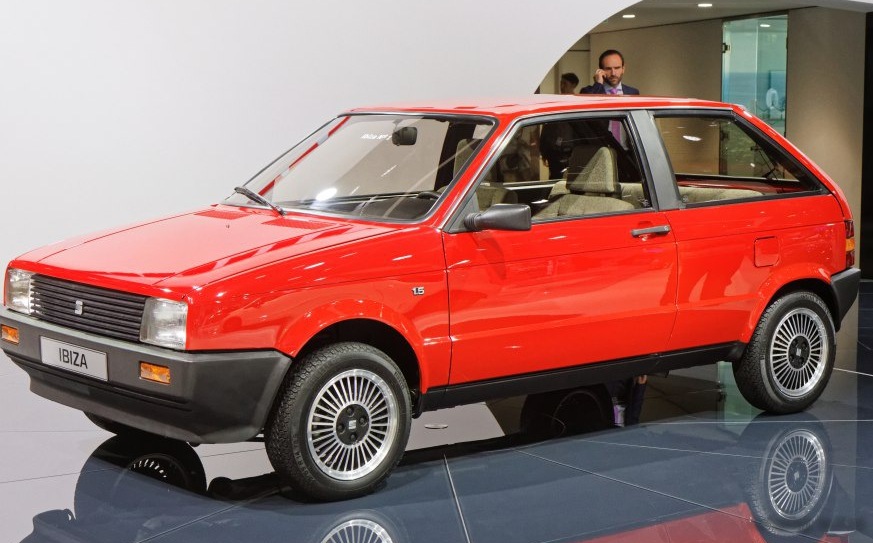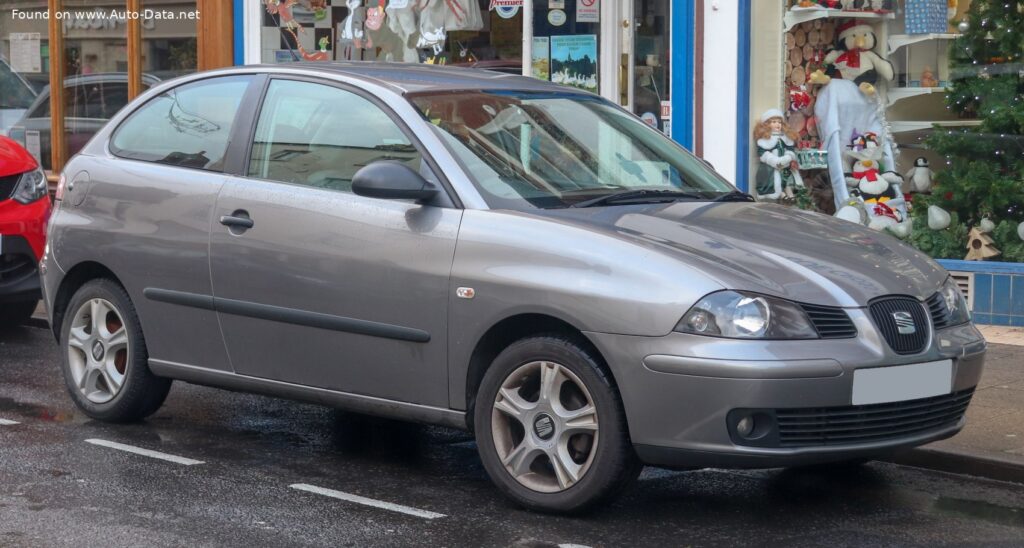
The Seat Ibiza III Sport 2.0i (115 hp) was a performance-oriented variant of the third-generation Seat Ibiza, produced between July 2002 and 2006. Positioned as the top-of-the-line trim level for the Ibiza Mk3, it offered a significant power upgrade over the base models, targeting drivers seeking a more engaging driving experience. The Ibiza III, internally designated the 6L series, was built on the Volkswagen Group’s PQ24 platform, shared with models like the Volkswagen Polo Mk4 and Škoda Fabia Mk1. The Sport 2.0i represented a step up in both performance and equipment compared to the more economical engine options available in the Ibiza range.
Powertrain & Engine Architecture
The heart of the Ibiza Sport 2.0i is the AZL or BBX engine code, a 1.984-liter (121.07 cubic inches) inline four-cylinder gasoline engine. This engine is part of the Volkswagen Group’s EA827 family, known for its robust construction and relative simplicity. The engine utilizes a multi-port fuel injection system, delivering fuel directly into the intake ports, rather than directly into the combustion chamber. This system, while not as advanced as direct injection, provided a good balance of performance and fuel efficiency for its time. The valvetrain consists of a single overhead camshaft (OHC) operating two valves per cylinder.
The 2.0-liter engine produced 115 horsepower (hp) at 5400 rpm and 170 Newton-meters (125.39 lb-ft) of torque at 2400 rpm. The engine’s bore and stroke measured 82.5 mm (3.25 in) and 92.8 mm (3.65 in) respectively, with a compression ratio of 10.5:1. The engine featured a naturally aspirated design, relying on atmospheric pressure for air intake. Oil capacity was 4 liters (4.23 US quarts / 3.52 UK quarts), and the recommended coolant capacity was 5 liters (5.28 US quarts / 4.4 UK quarts).
Unlike some of the lower-spec Ibiza models which were offered with automatic transmissions, the Sport 2.0i was exclusively available with a five-speed manual gearbox. This was a deliberate choice by Seat to enhance the sporty character of the vehicle and provide drivers with greater control over the engine’s power delivery.
Engine Codes: AZL vs. BBX
While both the AZL and BBX engine codes were used in the Ibiza Sport 2.0i, there were subtle differences. The BBX engine was generally found in later production models and incorporated minor revisions to improve emissions and fuel efficiency. These changes were largely internal and did not significantly alter the engine’s overall performance characteristics. Both engines are considered relatively reliable, but regular maintenance is crucial for longevity.
Driving Characteristics
The 2.0-liter engine in the Ibiza Sport 2.0i provided a noticeable performance boost compared to the smaller displacement engines available in the Ibiza range. Acceleration from 0 to 100 km/h (0 to 62 mph) took approximately 10.1 seconds, while 0 to 60 mph was achieved in around 9.6 seconds. The top speed was rated at 198 km/h (123.03 mph). The five-speed manual transmission allowed drivers to effectively utilize the engine’s powerband, providing crisp and precise gear changes.
The power delivery was linear and predictable, making the car easy to drive in everyday situations. However, the engine truly came alive at higher RPMs, offering a satisfying surge of acceleration. The relatively lightweight chassis of the Ibiza contributed to its nimble handling, making it a fun and engaging car to drive on winding roads. Compared to the base models, the Sport 2.0i offered a more responsive and dynamic driving experience. It wasn’t a sports car in the purest sense, but it provided a compelling blend of practicality and performance.
Equipment & Trim Levels
The Ibiza Sport 2.0i came equipped with a number of features designed to enhance both comfort and style. Standard equipment typically included alloy wheels, sports seats, a leather-wrapped steering wheel, and air conditioning. The interior featured a sporty design with a focus on functionality. Upholstery was typically cloth, with options for upgraded materials available. The dashboard layout was straightforward and easy to use, with clearly labeled controls.
Optional extras included a sunroof, upgraded audio system, and rear parking sensors. The Sport trim level also benefited from subtle exterior styling enhancements, such as a rear spoiler and unique badging. The overall interior ambiance was more refined than the base Ibiza models, reflecting the Sport’s higher price point and performance focus.
Chassis & Braking
The Ibiza Sport 2.0i utilized a front-wheel-drive layout with independent wishbone suspension at the front and a spring strut rear suspension. This suspension setup provided a good balance of ride comfort and handling performance. The front brakes were ventilated discs, offering excellent stopping power, while the rear brakes were solid discs. The car was equipped with an Anti-lock Braking System (ABS) as standard, enhancing safety and stability during braking. Steering was provided by a hydraulic power steering rack and pinion system, offering precise and responsive control. The car rode on 205/45 R16 tires, providing good grip and handling characteristics.
Market Reception & Comparison
The Seat Ibiza Sport 2.0i was generally well-received by automotive critics, who praised its performance, handling, and value for money. It was seen as a compelling alternative to other small hatchbacks in its class, such as the Volkswagen Polo and Ford Fiesta. Fuel economy was reasonable for a 2.0-liter engine, with combined fuel consumption figures around 8.5 liters per 100 km (27.7 US mpg / 33.2 UK mpg). Reliability was generally good, although regular maintenance was essential to prevent potential issues.
Compared to the lower-spec Ibiza models, the Sport 2.0i offered a significant performance advantage. It was also more expensive to purchase and insure. However, the added performance and equipment made it a worthwhile upgrade for drivers who prioritized driving enjoyment. Compared to the Volkswagen Polo 2.0, the Ibiza Sport 2.0i often offered a slightly more aggressive driving experience and a more affordable price tag.
Technical Specifications
| Brand | Seat |
| Model | Ibiza |
| Generation | Ibiza III |
| Type (Engine) | Sport 2.0i (115 Hp) |
| Start of production | July, 2002 |
| End of production | 2006 |
| Fuel consumption (urban) | 11 l/100 km (21.4 US mpg / 25.7 UK mpg) |
| Fuel consumption (extra urban) | 6 l/100 km (39.2 US mpg / 47.1 UK mpg) |
| Fuel Type | Petrol (Gasoline) |
| Acceleration 0 – 100 km/h | 10.1 sec |
| Acceleration 0 – 62 mph | 10.1 sec |
| Acceleration 0 – 60 mph | 9.6 sec |
| Maximum speed | 198 km/h (123.03 mph) |
| Weight-to-power ratio | 9.8 kg/Hp |
| Power | 115 Hp @ 5400 rpm |
| Torque | 170 Nm @ 2400 rpm (125.39 lb.-ft. @ 2400 rpm) |
| Engine layout | Front, Transverse |
| Engine Model/Code | AZL, BBX |
| Engine displacement | 1984 cm3 (121.07 cu. in.) |
| Number of cylinders | 4 |
| Engine configuration | Inline |
| Cylinder Bore | 82.5 mm (3.25 in.) |
| Piston Stroke | 92.8 mm (3.65 in.) |
| Compression ratio | 10.5:1 |
| Number of valves per cylinder | 2 |
| Fuel injection system | Multi-port manifold injection |
| Engine aspiration | Naturally aspirated |
| Engine oil capacity | 4 l (4.23 US qt | 3.52 UK qt) |
| Coolant | 5 l (5.28 US qt | 4.4 UK qt) |
| Kerb Weight | 1128 kg (2486.81 lbs.) |
| Max. weight | 1648 kg (3633.22 lbs.) |
| Trunk (boot) space – minimum | 265 l (9.36 cu. ft.) |
| Trunk (boot) space – maximum | 1030 l (36.37 cu. ft.) |
| Fuel tank capacity | 45 l (11.89 US gal | 9.9 UK gal) |
| Length | 3955 mm (155.71 in.) |
| Width | 1700 mm (66.93 in.) |
| Height | 1440 mm (56.69 in.) |
| Wheelbase | 2460 mm (96.85 in.) |
| Number of gears and type of gearbox | 5 gears, manual transmission |
Legacy
The Seat Ibiza Sport 2.0i remains a popular choice among enthusiasts seeking an affordable and engaging small hatchback. The AZL and BBX engines are known for their durability, although regular maintenance is crucial to prevent issues such as oil leaks and timing chain wear. Parts availability is generally good, thanks to the widespread use of the EA827 engine family in other Volkswagen Group vehicles. On the used car market, the Sport 2.0i typically commands a premium over the lower-spec Ibiza models, reflecting its performance and equipment levels. It is considered a well-rounded and enjoyable car that offers a good balance of practicality, performance, and affordability.