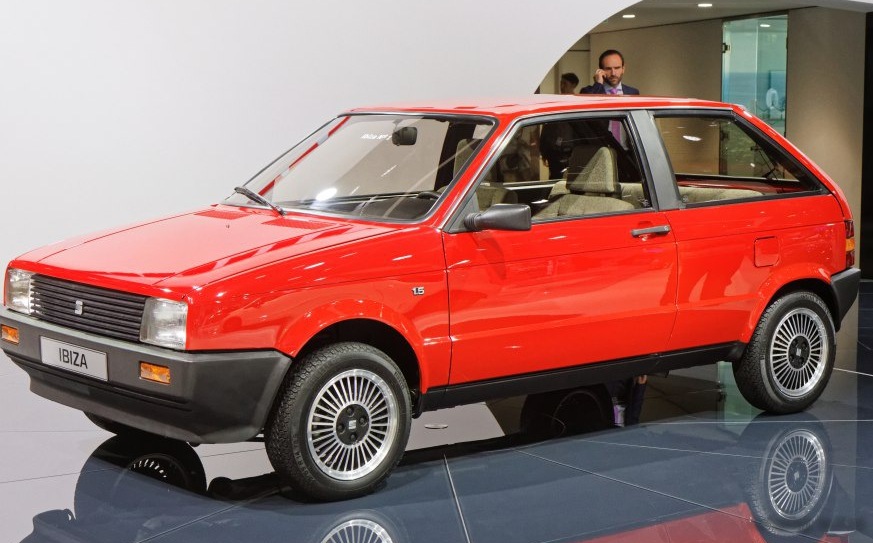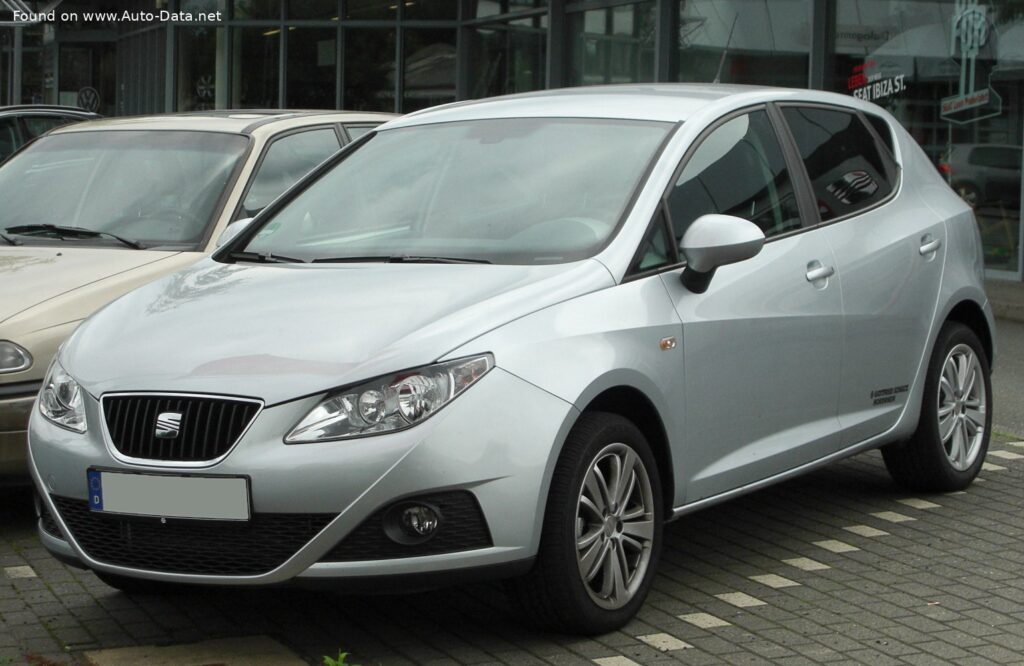
The Seat Ibiza IV 1.9 TDI (90 hp) DPF was a front-wheel-drive hatchback produced between June 2008 and June 2010. It represented a fuel-efficient and practical option within the fourth generation of the Ibiza (2002-2008), which was based on the Volkswagen Group’s PQ24 platform, also known as the 1HX0/A3 platform. This variant occupied a mid-range position in the Ibiza lineup, appealing to buyers prioritizing economy and lower running costs over outright performance. It sat below the more powerful petrol variants like the 1.6 and above the base 1.4-liter models.
Powertrain & Engine Architecture
The heart of the Ibiza IV 1.9 TDI (90 hp) DPF is the BXJ engine code, a 1.9-liter inline-four cylinder diesel engine. This engine is a member of Volkswagen Group’s well-established diesel family, known for its durability and efficiency. It features direct fuel injection via a Bosch common rail system, operating at a high compression ratio of 18.5:1. The engine utilizes a single overhead camshaft (SOHC) valvetrain with two valves per cylinder. A turbocharger with an intercooler is employed to boost power and torque, delivering 90 horsepower at 4000 rpm and 210 Nm (154.89 lb-ft) of torque between 1800 and 2500 rpm.
The “DPF” in the model name signifies the inclusion of a Diesel Particulate Filter, a crucial component for meeting Euro 4 emission standards. This filter traps soot particles from the exhaust, periodically undergoing a regeneration process to burn off the accumulated deposits. The engine has a displacement of 1896 cm³ (115.7 cu. in.) with a bore of 79.5 mm (3.13 in.) and a stroke of 95.5 mm (3.76 in.). Engine oil capacity is 4.3 liters (4.54 US qt | 3.78 UK qt) and requires a specification adhering to VW standards. The engine is transversely mounted in the front of the vehicle.
The 1.9 TDI engine was typically paired with a five-speed manual transmission. However, the focus of this article is the variant equipped with an automatic transmission. This automatic is a conventional hydraulic automatic, offering smooth shifts but at the expense of some fuel economy compared to the manual version. The automatic transmission’s gear ratios are optimized for fuel efficiency and everyday drivability, rather than sporty acceleration.
Fuel Injection and Turbocharging
The Bosch common rail direct injection system is a key element of the engine’s efficiency. It allows for precise control of fuel delivery, optimizing combustion and reducing emissions. The turbocharger, coupled with an intercooler, forces more air into the cylinders, increasing power output. The intercooler cools the compressed air, further enhancing performance and reducing the risk of detonation.
Driving Characteristics
The Seat Ibiza IV 1.9 TDI (90 hp) Automatic offered a comfortable and economical driving experience. While not particularly quick, the engine provided sufficient power for everyday driving situations. Acceleration from 0 to 100 km/h (0-62 mph) took approximately 12 seconds, and top speed was rated at 176 km/h (109.36 mph). The automatic transmission, while smooth, did contribute to a slight reduction in acceleration compared to the manual version. The torque available from low engine speeds made it easy to navigate city traffic and maintain highway speeds without frequent downshifts.
The automatic transmission’s gear ratios were geared towards fuel efficiency. First gear was relatively short for quick acceleration from a standstill, while higher gears were spaced to maintain low engine speeds at cruising speeds. This resulted in a relaxed driving experience on the highway, with minimal engine noise and good fuel economy. However, the transmission could sometimes feel hesitant when attempting quick overtaking maneuvers, requiring a deliberate kickdown to access the engine’s full power.
Equipment & Trim Levels
The Ibiza IV 1.9 TDI (90 hp) Automatic typically came with a reasonable level of standard equipment. This included power steering, central locking, electric front windows, and an audio system. Air conditioning was often standard, but could be optional depending on the specific market and trim level. Safety features included ABS (Anti-lock Braking System) and driver and passenger airbags. Interior upholstery was typically cloth, with a functional and durable design. Dashboard configuration was straightforward, with clearly labeled controls and a simple instrument cluster.
Optional extras available for this trim included alloy wheels, a sunroof, rear electric windows, and upgraded audio systems. Higher trim levels, such as the Sport or Stylance, offered additional features like climate control, leather upholstery, and parking sensors. The overall interior ambiance was practical and functional, reflecting the car’s focus on affordability and everyday usability.
Chassis & Braking
The Ibiza IV 1.9 TDI (90 hp) Automatic utilized an independent McPherson strut suspension at the front, providing good handling and ride comfort. The rear suspension was a semi-dependent torsion beam, which offered a compromise between comfort and stability. The front brakes were ventilated discs measuring 256×22 mm, while the rear brakes were solid discs measuring 232×9 mm. The steering was a rack and pinion system with electric power assistance, providing light and precise steering feel.
The chassis was tuned to prioritize comfort and stability over sporty handling. The suspension absorbed bumps and imperfections in the road well, providing a comfortable ride for passengers. The electric power steering made it easy to maneuver in tight spaces, while the ABS system ensured safe and controlled braking in emergency situations. Tire sizes varied depending on the trim level, ranging from 175/70 R14 to 215/45 R16.
Market Reception & Comparison
The Seat Ibiza IV 1.9 TDI (90 hp) Automatic was generally well-received by critics for its fuel efficiency, practicality, and affordability. It offered a compelling alternative to other small hatchbacks in its class, such as the Volkswagen Polo, Ford Fiesta, and Renault Clio. However, some critics noted that the engine lacked the refinement and power of some of its competitors. The automatic transmission was also criticized for being somewhat sluggish and less responsive than the manual version.
Compared to the higher-output petrol variants of the Ibiza IV, the 1.9 TDI Automatic offered significantly better fuel economy. It achieved a combined fuel consumption of 4.5 l/100 km (52.3 US mpg / 62.8 UK mpg), making it an attractive option for drivers covering long distances. In terms of reliability, the 1.9 TDI engine was generally considered to be very durable, but the DPF could be prone to clogging if the car was primarily used for short journeys. Maintenance costs were relatively low, thanks to the engine’s simple design and readily available parts.
Technical Specifications
| Brand | Seat |
| Model | Ibiza |
| Generation | Ibiza IV |
| Type (Engine) | 1.9 TDI (90 Hp) DPF |
| Start of production | June, 2008 |
| End of production | June, 2010 |
| Powertrain Architecture | Internal Combustion engine |
| Body type | Hatchback |
| Seats | 5 |
| Doors | 5 |
| Fuel consumption (urban) | 6 l/100 km (39.2 US mpg / 47.1 UK mpg) |
| Fuel consumption (extra urban) | 3.7 l/100 km (63.6 US mpg / 76.3 UK mpg) |
| Fuel consumption (combined) | 4.5 l/100 km (52.3 US mpg / 62.8 UK mpg) |
| CO2 emissions | 119 g/km |
| Fuel Type | Diesel |
| Acceleration 0 – 100 km/h | 12 sec |
| Acceleration 0 – 62 mph | 12 sec |
| Acceleration 0 – 60 mph | 11.4 sec |
| Maximum speed | 176 km/h (109.36 mph) |
| Emission standard | Euro 4 |
| Weight-to-power ratio | 12.5 kg/Hp |
| Power | 90 Hp @ 4000 rpm |
| Torque | 210 Nm @ 1800-2500 rpm (154.89 lb.-ft.) |
| Engine layout | Front, Transverse |
| Engine Model/Code | BXJ |
| Engine displacement | 1896 cm3 (115.7 cu. in.) |
| Number of cylinders | 4 |
| Engine configuration | Inline |
| Cylinder Bore | 79.5 mm (3.13 in.) |
| Piston Stroke | 95.5 mm (3.76 in.) |
| Compression ratio | 18.5:1 |
| Number of valves per cylinder | 2 |
| Fuel injection system | Direct injection |
| Engine aspiration | Turbocharger, Intercooler |
| Valvetrain | SOHC |
| Kerb Weight | 1125 kg (2480.2 lbs.) |
| Max. weight | 1626 kg (3584.72 lbs.) |
| Trunk (boot) space – minimum | 292 l (10.31 cu. ft.) |
| Trunk (boot) space – maximum | 938 l (33.13 cu. ft.) |
| Fuel tank capacity | 45 l (11.89 US gal | 9.9 UK gal) |
Legacy
The Seat Ibiza IV 1.9 TDI (90 hp) Automatic, while not a performance icon, remains a popular choice in the used car market due to its reliability, fuel efficiency, and affordability. The 1.9 TDI engine is known for its longevity, and many examples have covered high mileages without major issues. However, potential buyers should be aware of the potential for DPF problems, particularly if the car has been primarily used for short journeys. Regular servicing and maintenance are essential to ensure the continued reliability of this powertrain. Today, these Ibizas represent a practical and economical option for those seeking a small, reliable hatchback.