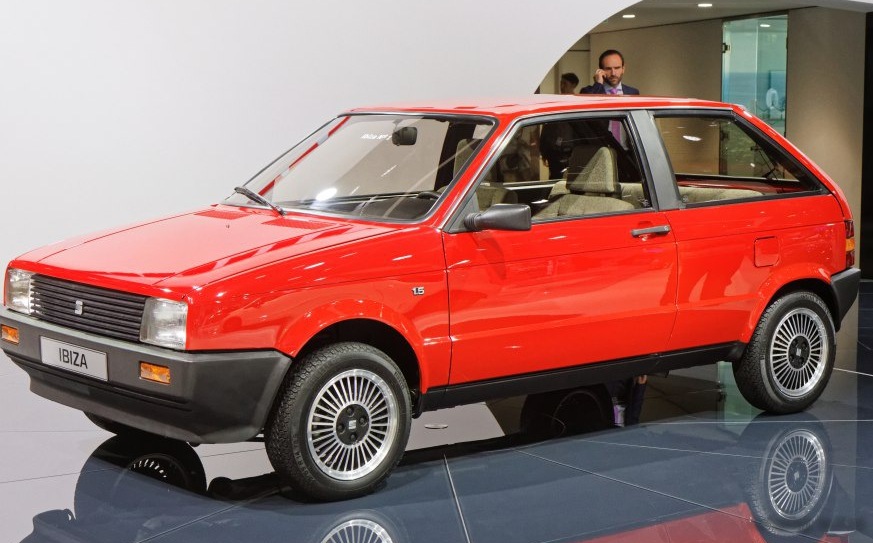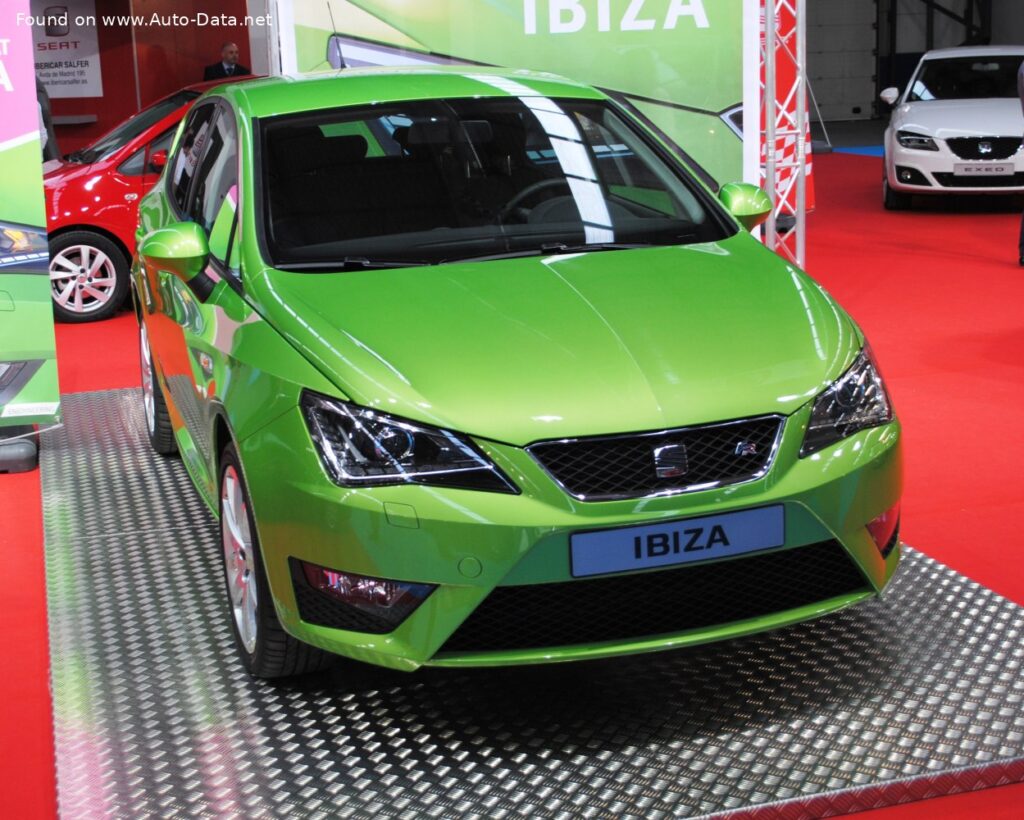
The Seat Ibiza IV (facelift, introduced in 2012) 1.2 12V 60 hp variant represented the entry point into the fourth generation Ibiza range. Produced from 2012 to 2015, this model was designed to offer affordable and economical transportation within the supermini segment. It was based on the Volkswagen Group’s PQ25 platform, also known as the 1HX0/A3 platform, shared with models like the Volkswagen Polo and Škoda Fabia. This particular engine and trim level aimed at budget-conscious buyers, first-time car owners, and those prioritizing fuel efficiency over outright performance.
The 1.2 12V Engine and its Position in the Ibiza Lineup
The 1.2 12V 60 hp engine was the base engine option for the facelifted Ibiza IV. It sat below the more powerful 1.2 TSI turbocharged engines, as well as the diesel options like the 1.6 TDI. The 60 hp version was specifically targeted at buyers for whom cost was the primary concern. Higher trim levels and engine options offered more features and performance, but at a significantly increased price point. The 1.2 12V was often seen as a practical choice for city driving and shorter commutes, where its modest power output was less of a limitation.
Powertrain & Engine Architecture
The heart of this Ibiza variant was the CGPB engine code, a 1.2-liter, naturally aspirated inline-three cylinder gasoline engine. This engine featured a 12-valve configuration (four valves per cylinder) and a relatively high compression ratio of 10.5:1. Fuel delivery was handled by a multi-port manifold injection system, a common setup for engines of this era. The engine produced 60 horsepower at 5200 rpm and 108 Nm (79.66 lb-ft) of torque at 3000 rpm. The engine’s displacement was 1198 cm³ (73.11 cubic inches), with a bore of 76.5 mm (3.01 inches) and a stroke of 86.9 mm (3.42 inches). The engine utilized a timing chain, contributing to potentially lower maintenance costs compared to engines with timing belts.
The 1.2 12V engine was typically paired with a five-speed manual transmission, however, an optional four-speed automatic transmission was available. This automatic gearbox, while providing convenience, was known for its relatively slow shift speeds and tendency to hunt for gears, particularly under load. The automatic transmission contributed to slightly lower fuel economy figures compared to the manual version. The engine was transversely mounted in the front of the vehicle, driving the front wheels.
Driving Characteristics
The driving experience in the 1.2 12V Ibiza was characterized by its modest performance. Acceleration from 0 to 100 km/h (0-62 mph) took approximately 15.9 seconds, and 0-60 mph was achieved in around 15.1 seconds. The top speed was limited to 155 km/h (96.31 mph). The engine felt strained when accelerating hard, particularly when fully loaded or climbing hills. The automatic transmission further diminished the sense of urgency, with noticeable delays between gear changes. However, in typical urban driving conditions, the engine provided sufficient power for everyday maneuvers. The steering was light and easy, making it well-suited for navigating tight city streets. The suspension, while basic, offered a reasonably comfortable ride, absorbing most bumps and imperfections in the road surface.
Compared to the more powerful 1.2 TSI engines, the 1.2 12V felt significantly slower and less refined. The TSI engines offered a much more responsive driving experience thanks to their turbocharging. Even the diesel variants provided more torque and better fuel economy. However, the 1.2 12V’s simplicity and lower maintenance costs were appealing to some buyers.
Equipment & Trim Levels
The 1.2 12V Ibiza typically came with a basic level of equipment. Standard features generally included power steering, central locking, electric front windows, an audio system (often with MP3 compatibility), and ABS brakes. Air conditioning was often an optional extra. Interior upholstery was typically cloth, with a relatively simple dashboard design. Higher trim levels, such as the ‘Style’ or ‘Reference’ trims, added features like alloy wheels, a multi-function steering wheel, and upgraded interior trim. Optional extras included a trip computer, parking sensors, and a navigation system.
Chassis & Braking
The Ibiza IV utilized an independent McPherson strut suspension system at the front, providing a reasonable level of handling and ride comfort. The rear suspension employed a torsion beam setup, which was a cost-effective solution for the rear axle. The front brakes were ventilated discs, offering adequate stopping power, while the rear brakes were drum brakes, a common feature on entry-level models to reduce costs. The electric power steering provided light and easy steering, making it ideal for urban driving. Tire size was typically 175/70 R14, mounted on 5J x 16 inch steel or alloy wheels.
Market Reception & Comparison
The Seat Ibiza 1.2 12V 60 hp was generally well-received as an affordable and economical city car. Critics praised its low running costs and ease of driving, but often criticized its lack of performance and the sluggishness of the optional automatic transmission. Fuel economy was a strong point, with combined fuel consumption figures of around 5.4 l/100 km (43.6 US mpg, 52.3 UK mpg). Reliability was generally good, although the automatic transmission was sometimes reported to be prone to issues. Compared to its rivals, such as the Volkswagen Polo, Škoda Fabia, and Renault Clio, the Ibiza offered a good balance of price, practicality, and fuel efficiency.
Technical Specifications
| Brand | Seat |
| Model | Ibiza |
| Generation | Ibiza IV (facelift 2012) |
| Type (Engine) | 1.2 12V (60 Hp) |
| Start of production | 2012 |
| End of production | 2015 |
| Body type | Hatchback |
| Seats | 5 |
| Doors | 5 |
| Fuel consumption (urban) | 7.1 l/100 km (33.1 US mpg) |
| Fuel consumption (extra urban) | 4.4 l/100 km (53.5 US mpg) |
| Fuel consumption (combined) | 5.4 l/100 km (43.6 US mpg) |
| CO2 emissions | 125 g/km |
| Fuel Type | Petrol (Gasoline) |
| Acceleration 0 – 100 km/h | 15.9 sec |
| Acceleration 0 – 62 mph | 15.9 sec |
| Maximum speed | 155 km/h (96.31 mph) |
| Engine layout | Front, Transverse |
| Engine Model/Code | CGPB |
| Engine displacement | 1198 cm3 (73.11 cu. in.) |
| Number of cylinders | 3 |
| Power | 60 Hp @ 5200 rpm |
| Torque | 108 Nm @ 3000 rpm (79.66 lb.-ft.) |
| Kerb Weight | 1049 kg (2312.65 lbs.) |
| Max. weight | 1540 kg (3395.12 lbs.) |
| Trunk (boot) space (minimum) | 292 l (10.31 cu. ft.) |
| Fuel tank capacity | 45 l (11.89 US gal) |
| Length | 4061 mm (159.88 in.) |
| Width | 1693 mm (66.65 in.) |
| Height | 1445 mm (56.89 in.) |
Legacy
The Seat Ibiza 1.2 12V 60 hp, while not a performance icon, remains a popular choice in the used car market due to its affordability and low running costs. The CGPB engine is generally considered reliable, although regular maintenance is essential. The simplicity of the engine and its components makes it relatively easy and inexpensive to repair. The automatic transmission, however, remains a potential weak point. Today, these Ibizas are often sought after as first cars, city runabouts, or as economical transportation for those on a tight budget. They represent a practical and sensible option for buyers who prioritize affordability and fuel efficiency over driving excitement.