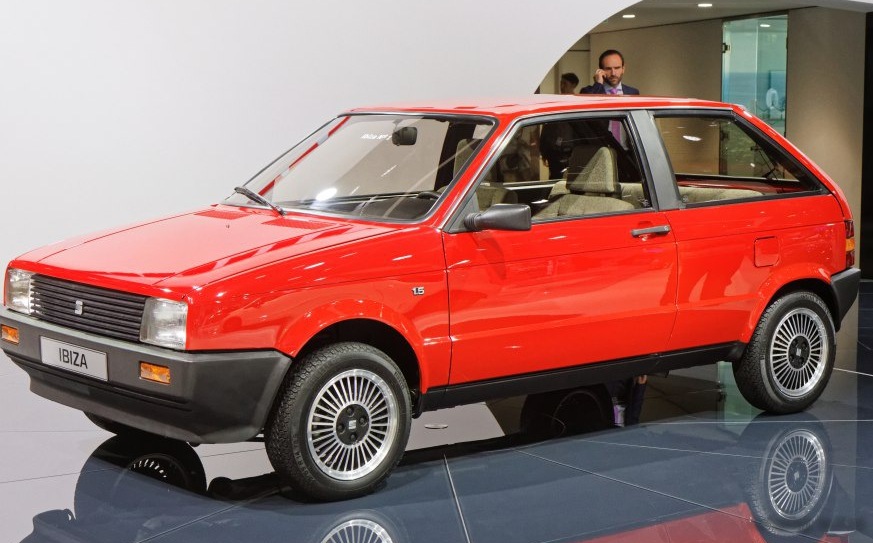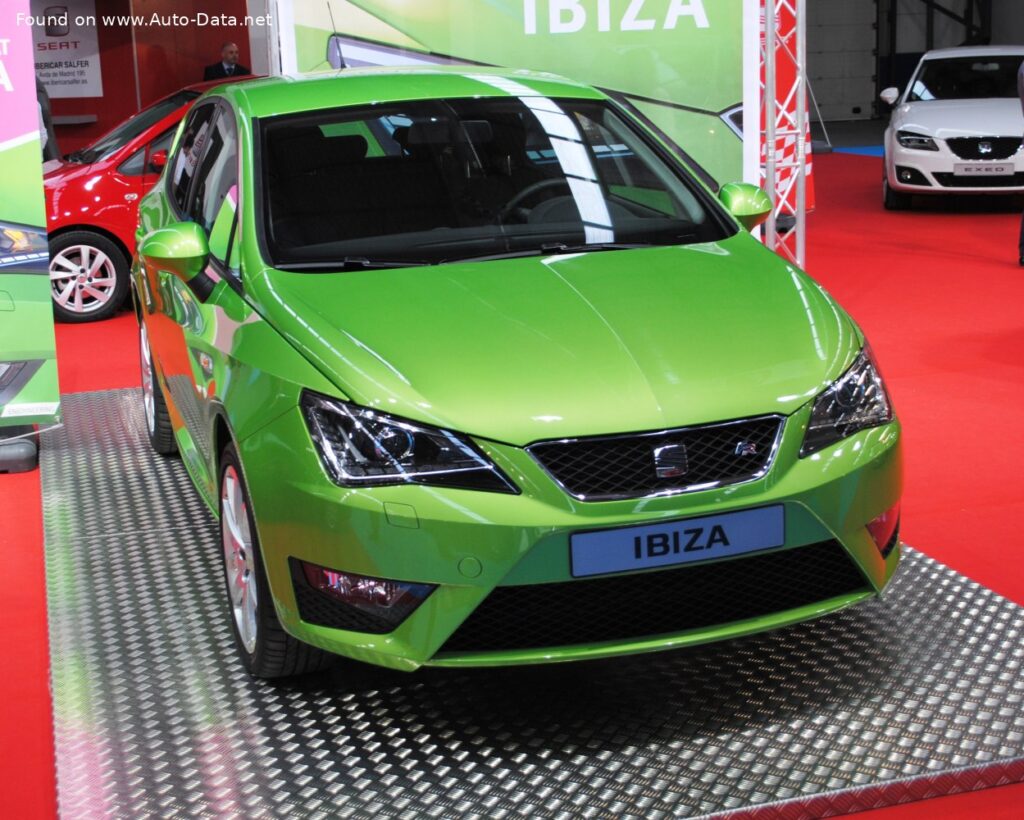
The Seat Ibiza IV (facelift 2012) 1.2 TDI (75 Hp) represents a notable iteration of Seat’s popular subcompact car, a model that has been a cornerstone of the Spanish automaker’s lineup for decades. Introduced in 2012, this facelifted version of the fourth-generation Ibiza brought refreshed styling, enhanced features, and a continued emphasis on fuel efficiency, particularly with its economical diesel powertrain. As part of the Volkswagen Group, Seat positions the Ibiza as a more youthful and emotionally-driven alternative to its platform siblings like the Volkswagen Polo and Skoda Fabia, targeting the competitive European supermini segment. While the Seat brand is not officially sold in the United States, the Ibiza played a crucial role in Europe, offering a blend of sharp design, practical five-door hatchback utility, and cost-effective operation.
Powertrain & Engine Architecture
At the heart of the Seat Ibiza IV (facelift 2012) 1.2 TDI (75 Hp) lies a 1.2-liter (1199 cm³ or 73.17 cubic inches) three-cylinder diesel engine. This powerplant, designated with the internal code CFWA, exemplifies the Volkswagen Group’s commitment to efficiency and reduced emissions, particularly relevant in the European market during its production run. The inline-three configuration, while sometimes exhibiting a characteristic engine note, was chosen for its inherent fuel-saving advantages and compact packaging. This engine is a member of the Volkswagen Group’s EA189 engine family, known for its modular design and widespread use across various models.
Despite its relatively small displacement, the 1.2 TDI engine produces 75 horsepower at 4200 rpm and a more substantial 132.76 lb-ft (180 Nm) of torque at 2000 rpm. This ample low-end torque is particularly beneficial for responsive acceleration in city driving and provides a relaxed cruising experience on highways. Power is delivered to the front wheels via a smooth-shifting 5-speed manual transmission, optimized for both driver engagement and fuel economy. The engine utilizes a common rail direct injection system, a turbocharger with an intercooler, and four valves per cylinder to ensure efficient combustion and strong performance for its size. The fuel injection system operates at very high pressures, maximizing fuel atomization and improving combustion efficiency. The engine also incorporates a diesel particulate filter (DPF) to reduce harmful emissions, complying with Euro 5 standards.
Driving Characteristics
The Ibiza 1.2 TDI (75 Hp) is designed for practicality and efficiency rather than outright performance. Its acceleration from 0 to 60 mph takes approximately 13.2 seconds (0-100 km/h in 13.9 seconds), and it reaches a top speed of around 104.39 mph (168 km/h). While these figures aren’t particularly impressive, they are adequate for its intended use as a city car and compact highway cruiser. The engine’s torque curve is relatively flat, providing usable power across a wide range of engine speeds. The 5-speed manual transmission is well-matched to the engine’s characteristics, with gear ratios optimized for fuel economy and drivability. Compared to higher-output versions of the Ibiza, such as those equipped with the 1.6 TDI or gasoline engines, the 1.2 TDI offers less overall power but significantly better fuel economy. The manual transmission provides a more engaging driving experience than the optional automatic transmission available on other Ibiza models.
Equipment & Trim Levels
The Seat Ibiza IV (facelift 2012) 1.2 TDI (75 Hp) typically came equipped with a range of standard features designed to appeal to budget-conscious buyers. These included air conditioning, power front windows, a basic audio system with MP3 compatibility, and central locking. Safety features such as Anti-lock Braking System (ABS), Electronic Stability Control (ESC), and driver and passenger airbags were also standard. Higher trim levels, such as the Style or Sport, offered additional features like alloy wheels, a more advanced audio system with Bluetooth connectivity, cruise control, and fog lights. Interior upholstery typically consisted of cloth seats, with options for upgraded materials and designs on higher trims. The dashboard layout was functional and ergonomically designed, with a clear instrument cluster and easy-to-use controls. Optional extras included a panoramic sunroof, parking sensors, and a navigation system.
Chassis & Braking
The Ibiza IV (facelift 2012) 1.2 TDI (75 Hp) utilizes a McPherson strut suspension system at the front, providing a comfortable yet controlled ride. The rear suspension employs a torsion beam setup, which is a cost-effective and space-efficient solution. The suspension is tuned to prioritize comfort and stability, making it well-suited for everyday driving. The steering is electric power-assisted, offering light and precise control. Braking is handled by ventilated discs at the front and drum brakes at the rear, a common configuration for vehicles in this class. The braking system provides adequate stopping power for its weight and performance characteristics. Stabilizer bars are fitted to both the front and rear axles to reduce body roll during cornering. Tire sizes typically ranged from 175/70 R14 to 215/45 R16, depending on the trim level and optional equipment.
Market Reception & Comparison
The Seat Ibiza IV (facelift 2012) 1.2 TDI (75 Hp) received generally positive reviews from automotive critics, particularly for its fuel efficiency and low running costs. It was praised for its practicality, stylish design, and surprisingly spacious interior for a supermini. However, some critics noted that the engine lacked outright power, especially when fully loaded or driving on steep inclines. Compared to other trims in the Ibiza lineup, the 1.2 TDI offered the best fuel economy but the lowest performance. The 1.6 TDI models provided more power but at the expense of fuel efficiency. Gasoline-powered Ibiza models offered a more refined driving experience but were generally less economical. In terms of reliability, the 1.2 TDI engine proved to be generally reliable, although some owners reported issues with the diesel particulate filter (DPF) requiring regeneration or replacement. Overall, the Ibiza 1.2 TDI represented a compelling value proposition for buyers prioritizing fuel economy and affordability.
Technical Specifications
| Category | Specification |
| Brand | Seat |
| Model | Ibiza |
| Generation | Ibiza IV (facelift 2012) |
| Type (Engine) | 1.2 TDI (75 Hp) |
| Start of Production | 2012 |
| End of Production | 2015 |
| Powertrain Architecture | Internal Combustion engine |
| Body Type | Hatchback |
| Seats | 5 |
| Doors | 5 |
| Fuel Consumption (Urban) | 4.6 l/100 km |
| Fuel Consumption (Extra Urban) | 3.3 l/100 km |
| Fuel Consumption (Combined) | 3.8 l/100 km |
| CO2 Emissions | 99 g/km |
| Fuel Type | Diesel |
| Acceleration 0 – 60 mph | 13.2 sec |
| Acceleration 0 – 100 km/h | 13.9 sec |
| Maximum Speed | 168 km/h (104.39 mph) |
| Emission Standard | Euro 5 |
| Power | 75 Hp @ 4200 rpm |
| Torque | 180 Nm @ 2000 rpm (132.76 lb.-ft. @ 2000 rpm) |
| Engine Displacement | 1199 cm³ (73.17 cu. in.) |
| Engine Code | CFWA |
| Number of Cylinders | 3 (Inline) |
Legacy
The Seat Ibiza IV (facelift 2012) 1.2 TDI (75 Hp) has proven to be a relatively reliable and durable vehicle, with many examples still on the road today. The 1.2 TDI engine, while not known for its blistering performance, is generally considered to be a robust and long-lasting unit. However, as with any diesel engine, proper maintenance is crucial, particularly regarding the diesel particulate filter (DPF). On the used car market, the Ibiza 1.2 TDI (75 Hp) remains an attractive option for buyers seeking an economical and practical supermini. Its low running costs, combined with its stylish design and relatively low purchase price, make it a compelling choice for first-time car buyers, urban commuters, and those on a tight budget. Its enduring popularity is a testament to its well-rounded design and its ability to meet the needs of a diverse range of drivers.