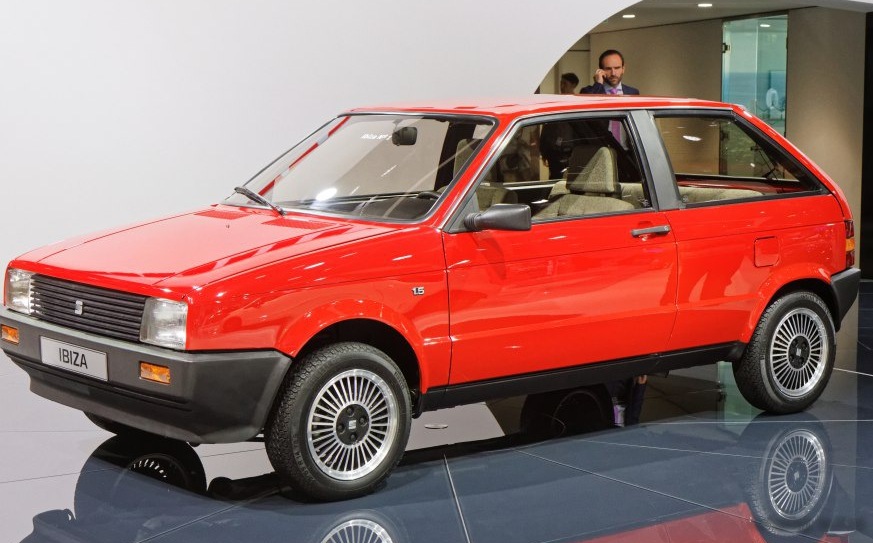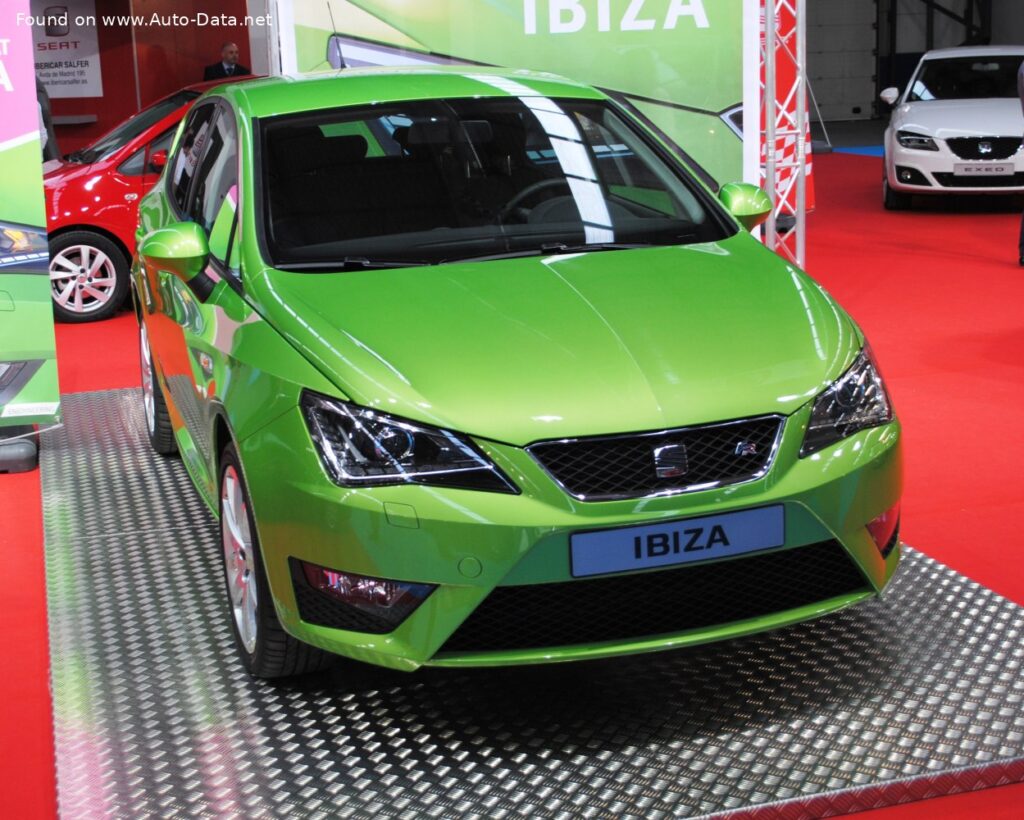
The SEAT Ibiza IV, specifically its 2012 facelift iteration featuring the 1.2 TSI (105 Hp) engine, represents a significant chapter for the Spanish automaker. As a prominent player in Europe’s highly competitive B-segment (subcompact car class), the Ibiza has consistently been SEAT’s best-selling model, embodying the brand’s youthful, sporty image within the Volkswagen Group. While the SEAT brand and the Ibiza model are not officially sold in the United States, their impact across European and other international markets is substantial. This particular variant, produced from 2012 to 2015, offered a compelling blend of modern design, efficient turbocharged gasoline power, and practical hatchback utility, making it a popular choice for urban dwellers and young families across the continent.
Powertrain & Engine Architecture
At the heart of this particular Ibiza variant was the highly regarded 1.2-liter TSI (Turbocharged Stratified Injection) gasoline engine, identified by its CBZB code. This inline four-cylinder powerplant, featuring direct fuel injection and a turbocharger with an intercooler, was a testament to the Volkswagen Group’s engineering philosophy of extracting significant power and torque from a small displacement engine. With an engine displacement of 1197 cm³ (73.05 cubic inches), it delivered a robust 105 horsepower at 5000 revolutions per minute. This power output, impressive for its size, translated to a strong power-per-liter ratio of 87.7 Hp/l.
The 1.2 TSI engine utilized a Bosch MED17.5.20 engine control unit (ECU) to manage fuel delivery and ignition timing. Direct injection, operating at pressures up to 150 bar, ensured precise fuel atomization for efficient combustion. The engine featured a single-scroll turbocharger, optimized for low-inertia response, minimizing turbo lag and providing readily available torque. The valvetrain employed dual overhead camshafts (DOHC) with four valves per cylinder, enhancing volumetric efficiency and contributing to the engine’s overall performance. The engine was paired with a five-speed manual transmission, a common and reliable setup for subcompact cars of this era. While a seven-speed DSG (Direct-Shift Gearbox) dual-clutch transmission was available on other Ibiza trims, the 105 hp version was predominantly offered with the manual.
Driving Characteristics
The Ibiza 1.2 TSI (105 Hp) offered a surprisingly lively driving experience for a subcompact car. The engine’s 175 Nm (129.07 lb.-ft.) of torque, available from 1550 to 4100 rpm, provided ample pulling power for everyday driving situations. The five-speed manual transmission was well-matched to the engine’s characteristics, with gear ratios designed to maximize fuel efficiency and responsiveness. First gear was relatively short, providing brisk acceleration from a standstill, while fifth gear was geared for comfortable highway cruising. Compared to the more powerful 1.4 TSI variants, the 1.2 TSI felt less urgent in higher gears, requiring more frequent downshifts for overtaking maneuvers. However, its lighter weight and responsive engine made it feel nimble and engaging on twisty roads. The manual transmission offered a more direct connection to the engine than the optional DSG, appealing to drivers who preferred a more involved driving experience. The 0 to 62 mph (0-100 km/h) acceleration time of 9.8 seconds was respectable for the class, and the top speed of 118.06 mph (190 km/h) was sufficient for most European driving conditions.
Equipment & Trim Levels
The 1.2 TSI (105 Hp) variant of the Ibiza IV (facelift 2012) typically occupied a mid-range position in the lineup. Standard equipment generally included air conditioning, power windows, central locking, a basic audio system with MP3 compatibility, and ABS brakes. Safety features such as driver and passenger airbags were also standard. Interior upholstery was typically cloth, with a range of color options available. The dashboard featured a functional and straightforward design, with clear instrumentation and intuitive controls. Optional extras included alloy wheels, a more advanced audio system with Bluetooth connectivity, a trip computer, rear parking sensors, and fog lights. Higher trim levels, such as the “Sport” or “Style” trims, added features like sport seats, leather-wrapped steering wheel, and chrome exterior accents. The 2012 facelift also introduced improved interior materials and a more refined dashboard design compared to the pre-facelift models.
Chassis & Braking
The Ibiza IV (facelift 2012) shared its PQ25 platform with other Volkswagen Group models, providing a solid and well-engineered chassis. The front suspension featured an independent McPherson strut setup with coil springs and an anti-roll bar, offering a good balance of comfort and handling. The rear suspension utilized a torsion beam axle, a cost-effective and space-efficient solution common in the subcompact segment. Braking was handled by ventilated discs at the front and solid discs at the rear, complemented by an Anti-lock Braking System (ABS) and Electronic Brake-force Distribution (EBD) for enhanced safety. The hydraulic power steering system provided direct feedback to the driver, contributing to the car’s agile handling. Stabilizer bar thickness was relatively modest, prioritizing ride comfort over ultimate cornering performance. Tire sizes ranged from 185/60 R15 to wider 215/45 R16, depending on the trim level and optional equipment.
Market Reception & Comparison
Critics generally praised the SEAT Ibiza IV (facelift 2012) 1.2 TSI (105 Hp) for its stylish design, efficient engine, and engaging driving dynamics. The 1.2 TSI engine was particularly well-regarded for its smooth operation, strong low-end torque, and impressive fuel economy. Compared to the more powerful 1.4 TSI variants, the 1.2 TSI offered a more affordable entry point into the Ibiza range, making it accessible to a wider range of buyers. Fuel economy was a key strength, with combined fuel consumption rated at an impressive 5.1 liters per 100 kilometers (46.1 US mpg). Reliability was generally good, although some owners reported minor issues with the turbocharger and fuel injectors. Compared to competitors like the Ford Fiesta and Renault Clio, the Ibiza offered a more distinctive design and a sportier driving experience. However, the Fiesta often received higher marks for its interior quality and refinement. The Ibiza’s value proposition, combining style, performance, and efficiency, made it a popular choice in the competitive European subcompact market.
Technical Specifications: SEAT Ibiza IV (facelift 2012) 1.2 TSI (105 Hp)
| Brand | SEAT |
| Model | Ibiza |
| Generation | Ibiza IV (facelift 2012) |
| Engine Type | 1.2 TSI (105 Hp) |
| Production Start | 2012 |
| Production End | 2015 |
| Powertrain Architecture | Internal Combustion Engine, Front-wheel drive |
| Body type | Hatchback |
| Seats | 5 |
| Doors | 5 |
| Fuel Consumption (Urban) | 6.5 l/100 km (36.2 US mpg) |
| Fuel Consumption (Extra Urban) | 4.4 l/100 km (53.5 US mpg) |
| Fuel Consumption (Combined) | 5.1 l/100 km (46.1 US mpg) |
| CO2 Emissions | 119 g/km |
| Fuel Type | Petrol (Gasoline) |
| Acceleration 0-62 mph (0-100 km/h) | 9.8 sec |
| Acceleration 0-60 mph (Calculated) | 9.3 sec |
| Maximum Speed | 190 km/h (118.06 mph) |
| Emission Standard | Euro 5 |
| Weight-to-Power Ratio | 10.4 kg/Hp, 96.3 Hp/tonne |
| Weight-to-Torque Ratio | 6.2 kg/Nm, 160.6 Nm/tonne |
| Power | 105 Hp @ 5000 rpm |
| Power per liter | 87.7 Hp/l |
| Torque | 175 Nm (129.07 lb.-ft.) @ 1550-4100 rpm |
| Engine Layout | Front, Transverse |
| Engine Model/Code | CBZB |
| Engine Displacement | 1197 cm³ (73.05 cu. in.) |
| Number of Cylinders | 4 |
| Engine Configuration | Inline |
| Cylinder Bore | 71 mm (2.8 in.) |
| Piston Stroke | 75.6 mm (2.98 in.) |
| Compression Ratio | 10:1 |
| Valves per Cylinder | 2 |
| Fuel Injection System | Direct injection |
| Engine Aspiration | Turbocharger, Intercooler |
| Kerb Weight | 1090 kg (2403.04 lbs) |
| Fuel Tank Capacity | 45 l (11.89 US gal) |
| Length | 4061 mm (159.88 in.) |
| Width | 1693 mm (66.65 in.) |
| Height | 1445 mm (56.89 in.) |
| Wheelbase | 2469 mm (97.2 in.) |
| Gearbox Type | 5 gears, manual transmission |
Legacy
The SEAT Ibiza IV (facelift 2012) 1.2 TSI (105 Hp) remains a popular choice in the used car market, particularly for buyers seeking an affordable, reliable, and fuel-efficient subcompact. The 1.2 TSI engine, while not without its potential issues (such as carbon buildup on the intake valves), has proven to be generally durable when properly maintained. Regular oil changes and the use of quality fuel are essential for ensuring its longevity. The Ibiza’s relatively simple mechanical design and readily available spare parts contribute to its low cost of ownership. Its stylish design and engaging driving dynamics continue to appeal to a wide range of buyers, making it a competitive option in the used car market. The model’s success helped solidify SEAT’s position as a major player in the European automotive industry and paved the way for future generations of the Ibiza.