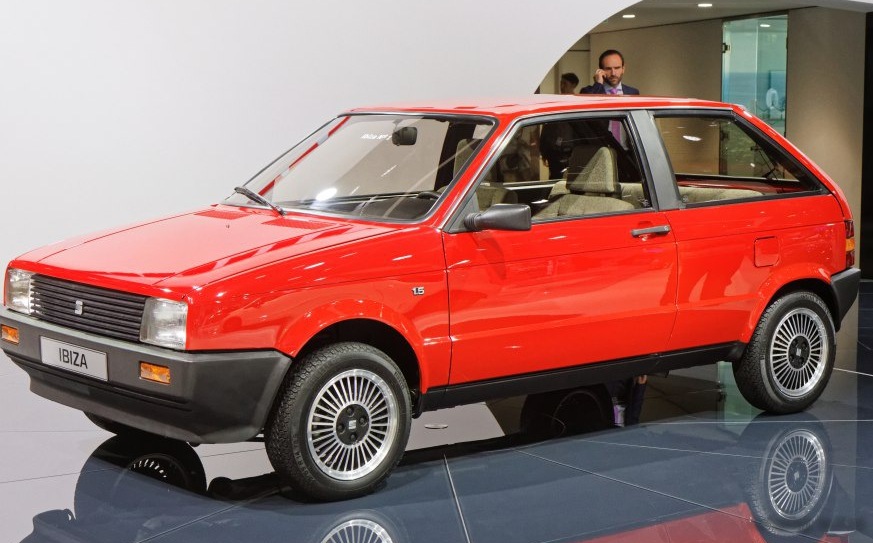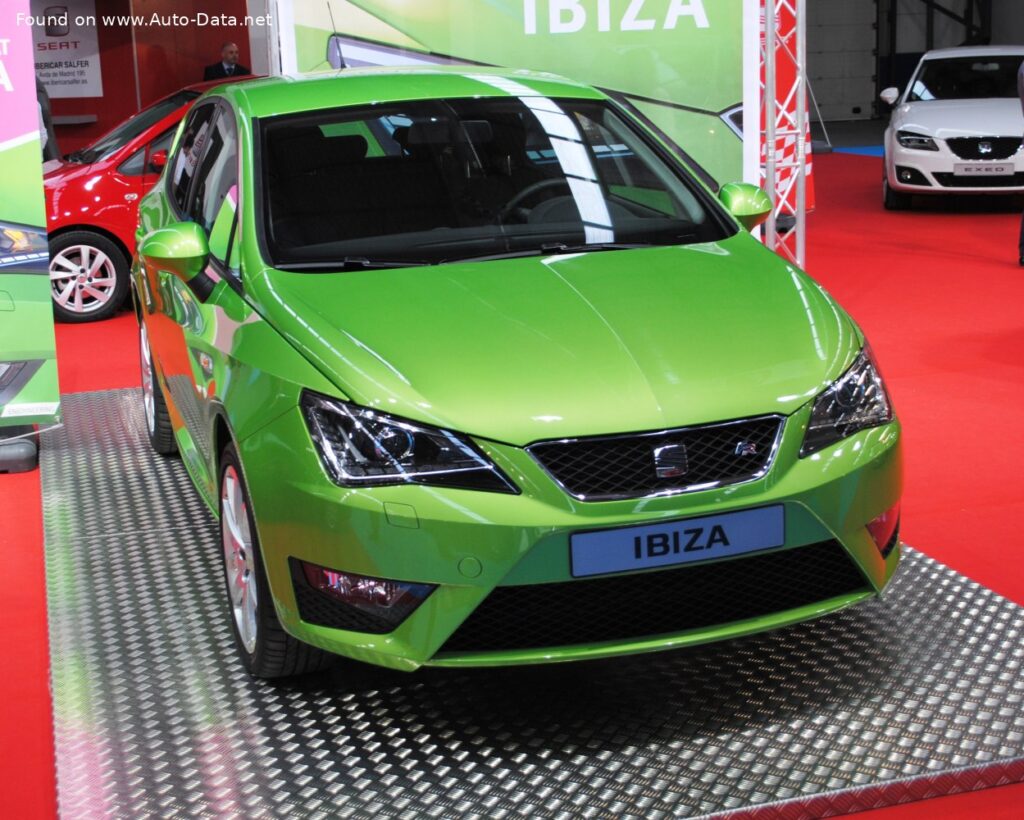
The Seat Ibiza IV (facelift 2012) 2.0 TDI (143 Hp) represents a significant iteration of Seat’s popular subcompact car, produced from 2012 to 2015. This model, a refresh of the fourth-generation Ibiza (based on the 1HX0/A3 platform), aimed to solidify its position in the competitive European B-segment. It offered a blend of sporty styling, agile handling, and impressive diesel fuel efficiency. While Seat is not officially sold in the United States, the Ibiza is a well-regarded and successful vehicle across Europe, Asia, and other international markets, known for its youthful appeal and dynamic driving characteristics, often sharing components with Volkswagen Polo and Audi A1 models.
Powertrain & Engine Architecture
The heart of the Seat Ibiza IV (facelift 2012) 2.0 TDI (143 Hp) is a 2.0-liter inline-four diesel engine, identified by the engine code CFHD. This engine, a product of Volkswagen Group’s diesel expertise, delivers a peak output of 143 horsepower at 4200 rpm. Crucially, it generates 236.02 lb-ft of torque, available from 1750 to 2500 rpm, providing strong pulling power and responsive acceleration. The engine utilizes a common rail direct fuel injection system, enabling precise fuel delivery for optimized power and efficiency. A turbocharger with an intercooler further enhances performance, minimizing turbo lag and improving low-end responsiveness.
To meet Euro 5 emission standards, the engine incorporates a diesel particulate filter (DPF) to reduce harmful emissions. The engine’s valvetrain features four valves per cylinder, contributing to its breathing efficiency. The 2.0 TDI engine is front-mounted and transversely positioned. The engine’s specifications include a bore of 81mm, a stroke of 95.5mm, and a compression ratio of 16:1. The engine’s displacement is 1968 cm³ (120.09 cubic inches). The engine oil capacity is 4.3 liters (4.54 US quarts) and the cooling system holds 8 liters (8.45 US quarts).
Driving Characteristics
The 2.0 TDI (143 Hp) variant of the Ibiza IV offered a noticeably more engaging driving experience compared to lower-powered versions. The substantial torque output allowed for effortless acceleration in everyday driving situations, and the engine felt responsive across a wide range of engine speeds. While a 6-speed manual transmission was standard, providing direct driver control, the power delivery was smoother and more refined than the smaller displacement engines. The Ibiza 2.0 TDI achieved a 0-60 mph time of 7.8 seconds, making it one of the quicker options in the subcompact class. The top speed was rated at 130.49 mph (210 km/h). Compared to the 1.6 TDI models, the 2.0 TDI offered a significant performance boost, while remaining more economical than the petrol (gasoline) powered versions.
Equipment & Trim Levels
The Ibiza IV (facelift 2012) 2.0 TDI (143 Hp) typically came equipped with a range of standard features designed to enhance both comfort and convenience. These included air conditioning, power windows, and a basic audio system. Safety features were also prioritized, with ABS (Anti-lock Braking System) as standard equipment. The interior featured comfortable seating, and the dashboard layout was driver-focused with clear instrumentation. Optional extras available for this trim level often included alloy wheels, upgraded audio systems, parking sensors, and climate control. The interior upholstery was typically cloth, with higher trim levels offering partial leather options. The exterior styling included features like body-colored door handles and mirrors, and the model often featured unique wheel designs to differentiate it from other Ibiza variants.
Chassis & Braking
The Ibiza IV (facelift 2012) 2.0 TDI (143 Hp) utilized a McPherson strut suspension system with coil springs and an anti-roll bar at the front, providing responsive handling and good ride comfort. The rear suspension employed a torsion beam setup, balancing cost-effectiveness with acceptable handling characteristics. The braking system consisted of ventilated discs at the front and solid discs at the rear, offering adequate stopping power for the vehicle’s weight and performance. Electric power steering with a rack and pinion system provided light steering effort at low speeds for easy maneuverability and more feedback at higher speeds. The chassis was tuned to provide a balance between comfort and agility, making it suitable for both city driving and longer journeys.
Market Reception & Comparison
The Seat Ibiza IV (facelift 2012) 2.0 TDI (143 Hp) was generally well-received by automotive critics, who praised its combination of performance, fuel efficiency, and sporty handling. It was often seen as a more engaging alternative to rivals like the Volkswagen Polo and Ford Fiesta. Fuel economy was a major selling point, with combined cycle consumption reaching an impressive 51.1 US mpg (4.6 l/100 km). Compared to the lower-powered diesel variants, the 2.0 TDI offered a significant performance upgrade, while still maintaining excellent fuel economy. Reliability was generally good, although diesel particulate filters could require maintenance over time. The 2.0 TDI variant was positioned as a mid-range to premium trim level within the Ibiza lineup, appealing to buyers who wanted a more powerful and refined driving experience.
Technical Specifications
| Brand | Seat |
| Model | Ibiza |
| Generation | Ibiza IV (facelift 2012) |
| Type (Engine) | 2.0 TDI (143 Hp) |
| Start of Production | 2012 year |
| End of Production | 2015 year |
| Powertrain Architecture | Internal Combustion engine |
| Body type | Hatchback |
| Seats | 5 |
| Doors | 5 |
| Fuel consumption (economy) – urban | 39.9 US mpg (5.9 l/100 km) |
| Fuel consumption (economy) – extra urban | 60.3 US mpg (3.9 l/100 km) |
| Fuel consumption (economy) – combined | 51.1 US mpg (4.6 l/100 km) |
| CO2 emissions | 119 g/km |
| Fuel Type | Diesel |
| Acceleration 0 – 60 mph | 7.8 sec |
| Maximum speed | 130.49 mph (210 km/h) |
| Emission standard | Euro 5 |
| Weight-to-power ratio | 8.7 kg/Hp, 114.9 Hp/tonne |
| Weight-to-torque ratio | 3.9 kg/Nm, 257 Nm/tonne |
| Power | 143 Hp @ 4200 rpm |
| Power per liter | 72.7 Hp/l |
| Torque | 236.02 lb.-ft. @ 1750-2500 rpm (320 Nm) |
| Engine layout | Front, Transverse |
| Engine Model/Code | CFHD |
| Engine displacement | 120.09 cu. in. (1968 cm³) |
| Number of cylinders | 4 |
| Engine configuration | Inline |
| Cylinder Bore | 3.19 in. (81 mm) |
| Piston Stroke | 3.76 in. (95.5 mm) |
| Compression ratio | 16:1 |
| Number of valves per cylinder | 4 |
| Fuel injection system | Diesel Commonrail |
| Engine aspiration | Turbocharger, Intercooler |
| Engine oil capacity | 4.54 US qt (4.3 l) |
| Coolant | 8.45 US qt (8 l) |
| Kerb Weight | 2744.76 lbs (1245 kg) |
| Max. weight | 3725.81 lbs (1690 kg) |
| Trunk (boot) space – minimum | 8.83 cu. ft. (250 l) |
| Fuel tank capacity | 11.89 US gal (45 l) |
| Length | 160.71 in. (4082 mm) |
| Width | 66.65 in. (1693 mm) |
| Height | 56.73 in. (1441 mm) |
| Wheelbase | 97.2 in. (2469 mm) |
Legacy
The Seat Ibiza IV (facelift 2012) 2.0 TDI (143 Hp) powertrain has proven to be relatively reliable, with many examples still on the road today. The CFHD engine, while requiring periodic maintenance of the DPF, is generally considered a robust and durable unit. In the used car market, these models are often sought after by buyers looking for a fuel-efficient and sporty subcompact. The 2.0 TDI engine’s longevity and relatively low running costs contribute to its continued appeal. The Ibiza IV, as a whole, remains a popular choice for those seeking an affordable and practical hatchback with a touch of Spanish flair. The 2.0 TDI variant, in particular, represents a sweet spot in the lineup, offering a compelling blend of performance, economy, and driving enjoyment.