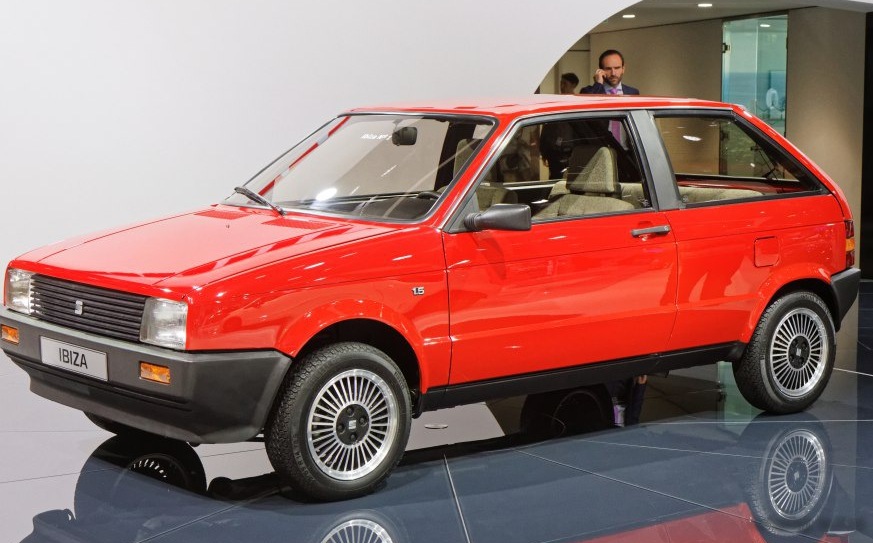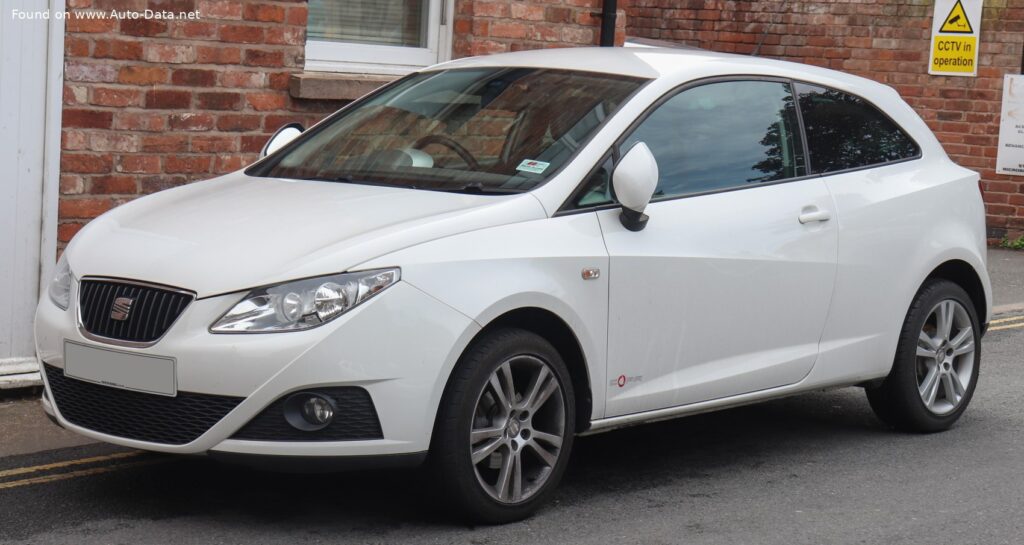
The Seat Ibiza IV SC 1.2 (70 Hp), produced between 2008 and 2009, represents a specific iteration within the successful Seat Ibiza lineage. As a key model for the Spanish automaker, part of the Volkswagen Group, the fourth-generation Ibiza (internally designated “6J”) debuted with a new design and improved mechanicals. The “SC” moniker, typically denoting “SportCoupe,” usually signified the three-door variant, emphasizing a more dynamic appeal compared to the five-door model. However, the data for this model indicates a unique configuration with five doors and three seats, suggesting a specialized or adaptable version within the SC lineup, or a unique interpretation of the “Coupe” designation for a five-door vehicle.
The 1.2L 70 Hp Ibiza SC: Positioning and Target Audience
Positioned within Europe’s competitive B-segment (subcompact car class), the Ibiza IV SC 1.2 aimed to attract urban drivers and younger buyers with its styling, practical dimensions, and Volkswagen Group engineering. While never officially sold in the United States, the Ibiza was crucial to SEAT’s strategy of offering sporty, affordable, and design-focused vehicles in the European market. This particular variant, with its modest 1.2-liter engine, highlighted the brand’s commitment to economical transportation without entirely sacrificing driving enjoyment and aesthetic appeal. It served as the entry-level trim, offering a more accessible price point than the higher-powered versions like the 1.6L or the later TDI diesel options.
Powertrain & Engine Architecture
Under the hood, the Seat Ibiza IV SC 1.2 (70 Hp) featured a compact 1.2-liter (1198 cm³) inline three-cylinder gasoline engine. This naturally aspirated powerplant, identified by engine codes such as BZG, CGPA, or CJLB, was designed for fuel economy and reliability, typical of Volkswagen Group’s smaller displacement engines. It featured a Double Overhead Camshaft (DOHC) valvetrain with four valves per cylinder and a multi-point fuel injection system. The engine produced 70 horsepower at 5400 rpm and peak torque of 82.61 lb.-ft. (112 Nm) at 3000 rpm, providing adequate low-end responsiveness for city driving.
Power was delivered to the front wheels via a five-speed manual transmission, a common and cost-effective choice for vehicles in this segment. The transmission’s gear ratios were optimized for fuel efficiency and urban usability, rather than outright acceleration. First gear was relatively short for quick take-offs, while fifth gear was geared for efficient highway cruising. The engine’s modest output meant that the transmission didn’t need to be overly robust, contributing to its overall reliability.
Driving Characteristics
The Ibiza IV SC 1.2 (70 Hp) offered a driving experience tailored for urban environments. Acceleration from 0 to 60 mph took approximately 13.7 seconds, with a top speed of 102.53 mph (165 km/h). While these figures weren’t impressive, they were sufficient for navigating city streets and maintaining highway speeds within European limits. The engine’s torque delivery was relatively flat, providing predictable power throughout the rev range. Compared to the more powerful 1.6-liter versions, the 1.2L felt noticeably slower, particularly when fully loaded or climbing hills. However, the lighter engine weight contributed to slightly more nimble handling.
The five-speed manual transmission was light and easy to operate, making it suitable for novice drivers. The clutch pedal was also relatively light, reducing driver fatigue during stop-and-go traffic. Overall, the driving experience was characterized by its ease of use and fuel efficiency, rather than outright performance.
Equipment & Trim Levels
The Ibiza IV SC 1.2 (70 Hp) typically came with a basic level of standard equipment, reflecting its entry-level positioning. Standard features generally included power steering, central locking, electric front windows, and an audio system with MP3 compatibility. Safety features included ABS brakes, driver and passenger airbags, and seatbelt pretensioners. The interior upholstery was typically cloth, with a simple and functional dashboard layout.
Optional extras included air conditioning, alloy wheels, a trip computer, and upgraded audio systems. Higher trim levels, such as the “Sport” or “Style” variants, added features like fog lights, rear electric windows, and more premium interior trim. The unusual “3 Seats” configuration suggests this model may have been a specialized version, potentially aimed at younger drivers or those prioritizing cargo space over passenger capacity.
Chassis & Braking
The Ibiza IV SC utilized a robust chassis shared with other Volkswagen Group subcompacts like the VW Polo and Skoda Fabia. It featured an independent McPherson strut front suspension with coil springs and an anti-roll bar, providing responsive handling and comfortable ride quality. The rear suspension employed a semi-dependent torsion beam with a stabilizer for lateral stability, a cost-effective and space-efficient solution for small cars. Braking duties were handled by ventilated discs at the front (256×22 mm) and solid discs at the rear (232×9 mm), augmented by an Anti-lock Braking System (ABS) for enhanced safety. The electric power steering system offered light and precise control, particularly beneficial for city driving and parking maneuvers.
Market Reception & Comparison
Critics generally viewed the Ibiza IV SC 1.2 (70 Hp) as a practical and economical city car. Its fuel efficiency was a major selling point, with combined fuel consumption reaching an impressive 39.9 US mpg (5.9 l/100 km). However, its modest performance was often criticized, particularly when compared to the more powerful versions. Compared to the 1.6-liter Ibiza, the 1.2L offered significantly less power and acceleration, but at a lower price point. The 1.9 TDI diesel version offered superior fuel economy and torque, but came with a higher purchase price and potentially higher maintenance costs. The Ibiza’s reliability was generally considered good, benefiting from Volkswagen Group’s engineering expertise.
Technical Specifications: Seat Ibiza IV SC 1.2 (70 Hp)
| Category | Specification |
| Brand | Seat |
| Model | Ibiza |
| Generation | Ibiza IV SC |
| Type (Engine) | 1.2 (70 Hp) |
| Start of production | 2008 year |
| End of production | 2009 year |
| Powertrain Architecture | Internal Combustion engine |
| Body type | Coupe |
| Seats | 3 |
| Doors | 5 |
| Fuel consumption (economy) – urban (NEDC) | 7.6 l/100 km (30.9 US mpg) |
| Fuel consumption (economy) – extra urban (NEDC) | 4.9 l/100 km (48 US mpg) |
| Fuel consumption (economy) – combined (NEDC) | 5.9 l/100 km (39.9 US mpg) |
| CO2 emissions (NEDC) | 139 g/km |
| Fuel Type | Petrol (Gasoline) |
| Acceleration 0 – 60 mph | 13.7 sec |
| Acceleration 0 – 100 km/h | 14.4 sec |
| Maximum speed | 165 km/h (102.53 mph) |
| Emission standard | Euro 4 |
| Engine displacement | 1198 cm³ (73.11 cu. in.) |
| Power | 70 Hp @ 5400 rpm |
| Torque | 112 Nm (82.61 lb.-ft.) @ 3000 rpm |
Legacy
The Seat Ibiza IV SC 1.2 (70 Hp) powertrain has proven to be relatively reliable in the long term. The 1.2-liter engine, while not particularly powerful, is known for its durability and low running costs. Common issues include occasional sensor failures and oil leaks, but these are generally inexpensive to repair. In the used car market today, these Ibizas are typically available at very affordable prices, making them attractive options for first-time buyers or those seeking a cheap and economical city car. However, potential buyers should be aware of the engine’s limited power and the potential for age-related wear and tear. The unique “3 Seats” configuration may limit its appeal to some buyers, but could also make it a desirable option for those seeking a highly adaptable and practical vehicle.