
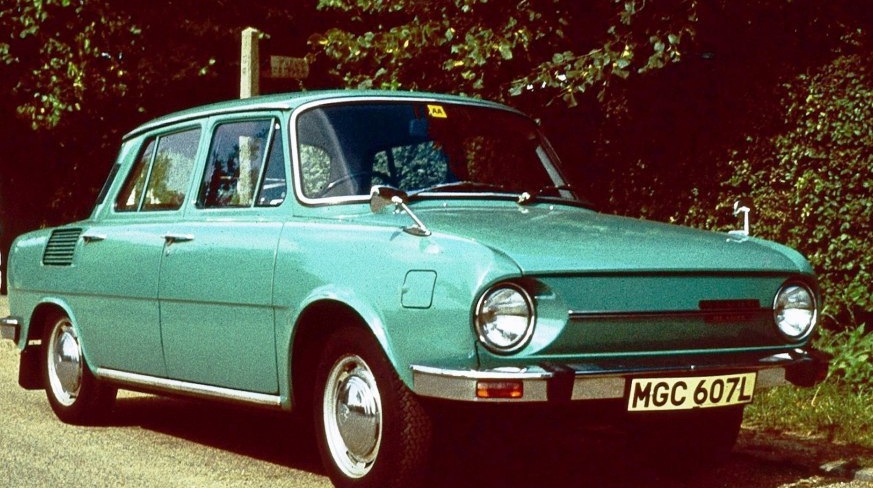
The Skoda 100 1.0, produced between 1969 and 1977, represents a significant entry point into the Skoda model range during a period of substantial development for the Czech automaker. Positioned as the base model within the 100 series, it served as an affordable and practical family sedan, primarily aimed at the Eastern European market and select export destinations. This variant, powered by a modest 1.0-liter engine producing 42 horsepower, was designed for economy and reliability rather than outright performance. It played a crucial role in establishing Skoda’s reputation for durable, no-frills transportation, and laid the groundwork for the company’s later expansion into Western European markets. The 100 series itself was a pivotal model, representing a modernization of Skoda’s post-war designs and incorporating features that would become hallmarks of the brand.
Technical Specifications
| Brand | Skoda |
| Model | 100 |
| Generation | 100 |
| Type (Engine) | 1.0 (42 Hp) |
| Start of production | 1969 |
| End of production | 1977 |
| Powertrain Architecture | Internal Combustion engine |
| Body type | Sedan |
| Seats | 5 |
| Doors | 4 |
| Fuel Type | Petrol (Gasoline) |
| Power | 42 Hp |
| Engine aspiration | Naturally aspirated engine |
| Engine oil capacity | 4 l (4.23 US qt | 3.52 UK qt) |
Powertrain & Engine Architecture
The heart of the Skoda 100 1.0 was a 988cc, inline-four cylinder engine. This engine, designated as the 766 series, was a relatively simple design, reflecting the engineering priorities of the time. It featured a single overhead camshaft (SOHC) operating a two-valve per cylinder configuration. Fuel delivery was managed by a single, down-draft carburetor – typically a Jikov 29 DIF – a common setup for Eastern European vehicles of this era. The engine’s compression ratio was approximately 8.5:1. The 100 1.0 was exclusively paired with a four-speed manual transmission, as an automatic transmission was not offered on this base model. The transmission was a conventional setup, designed for durability and ease of maintenance. The engine’s architecture prioritized reliability and low running costs over high performance, making it well-suited to the demands of everyday driving in its target markets.
Driving Characteristics
The Skoda 100 1.0’s driving experience was defined by its modest power output. With only 42 horsepower on tap, acceleration was leisurely, and overtaking required careful planning. Top speed was estimated to be around 78 mph (125 km/h), although achieving this required a long, flat stretch of road. The four-speed manual transmission offered a reasonable spread of gears, but the engine lacked the torque to make frequent downshifts unnecessary. The car’s relatively light weight – around 2,200 lbs (1,000 kg) – helped to mitigate the effects of the low horsepower. Handling was predictable but not particularly sporty, with a focus on comfort and stability. The suspension, consisting of independent front suspension with trailing arms and a rear axle with leaf springs, provided a reasonably comfortable ride, even on uneven surfaces. Compared to later, more powerful versions of the Skoda 100 (such as the 110 and 120 models), the 1.0 felt significantly slower and less refined, but it offered a more economical and accessible entry point into the Skoda range.
Equipment & Trim Levels
The Skoda 100 1.0 was deliberately kept simple in terms of equipment and trim. It was designed to be an affordable vehicle, and as such, luxuries were kept to a minimum. Standard features typically included basic cloth upholstery, vinyl floor covering, and a simple dashboard with minimal instrumentation – usually consisting of a speedometer, fuel gauge, and temperature indicator. The steering wheel was a large, two-spoke design made of plastic. Exterior features were equally basic, with chrome bumpers, simple steel wheels with hubcaps, and limited exterior trim. Optional extras were limited, but could include a radio, whitewall tires, and upgraded upholstery. The interior was functional and durable, prioritizing practicality over aesthetics. The overall trim level reflected the car’s position as the entry-level model in the Skoda 100 range.
Chassis & Braking
The Skoda 100 1.0 utilized a body-on-frame construction, a common practice for vehicles of this era. The chassis was relatively robust, designed to withstand the rigors of Eastern European roads. The front suspension featured independent trailing arms with coil springs and hydraulic shock absorbers. The rear suspension employed a solid axle with leaf springs. Braking was provided by drum brakes on all four wheels, which were adequate for the car’s weight and performance. Power steering was not available on the 100 1.0, requiring a reasonable amount of effort to maneuver at low speeds. The car’s steering was relatively precise, but lacked the feedback of more modern systems. The chassis and braking system were designed for reliability and ease of maintenance, rather than high-performance handling or stopping power.
Market Reception & Comparison
The Skoda 100 1.0 was generally well-received in its target markets, particularly in Eastern Europe and countries within the Soviet sphere of influence. It was praised for its reliability, durability, and affordability. Critics acknowledged its modest performance but recognized that it was sufficient for its intended purpose – providing basic transportation for families. Compared to other vehicles in its class, such as the Trabant and Wartburg, the Skoda 100 1.0 offered a higher level of refinement and build quality. However, it was less powerful and more expensive than some of its competitors. Within the Skoda 100 range, the 1.0 served as the entry-level model, appealing to budget-conscious buyers. The more powerful 110 and 120 variants offered improved performance and additional features, but at a higher price point. Fuel economy was a strong point for the 1.0, averaging around 35-40 mpg, making it an economical choice for everyday driving.
Legacy
The Skoda 100 1.0, while not a performance icon, holds a significant place in Skoda’s history. It represented a crucial step in the company’s modernization and helped to establish its reputation for building durable and reliable vehicles. The 766 engine, while simple, proved to be remarkably robust and long-lasting. Today, the Skoda 100 1.0 is a popular choice among classic car enthusiasts, particularly in Eastern Europe. Parts availability can be challenging, but the car’s simple design makes it relatively easy to maintain and repair. The 100 1.0 remains a testament to Skoda’s engineering ingenuity and its commitment to providing affordable transportation to the masses. Its enduring appeal lies in its simplicity, reliability, and nostalgic charm, making it a cherished piece of automotive history.
