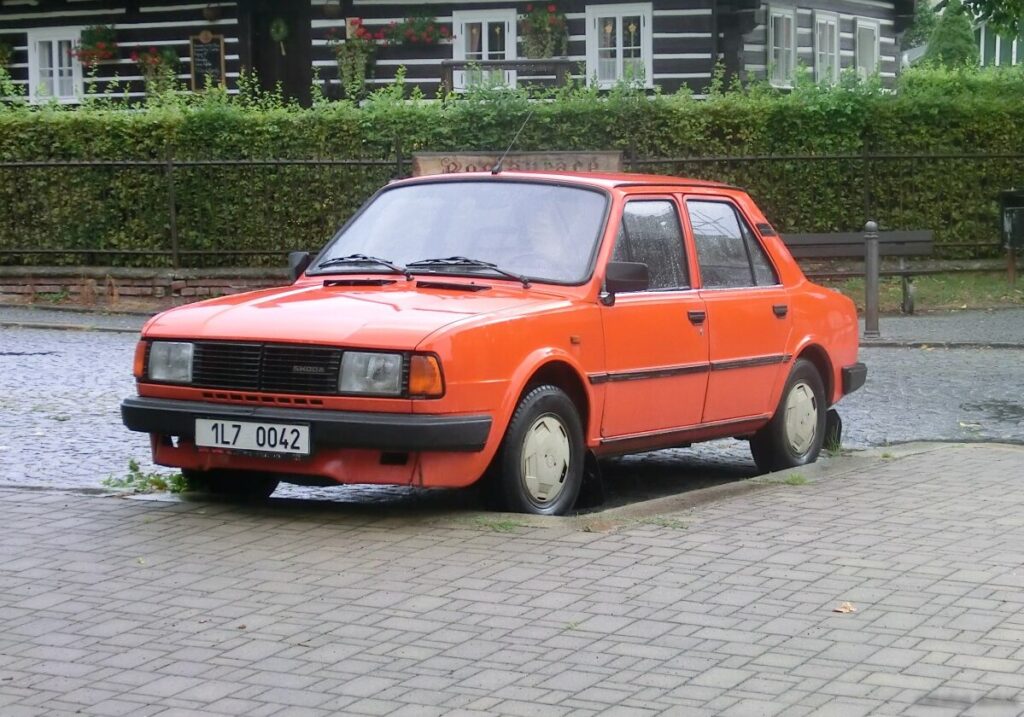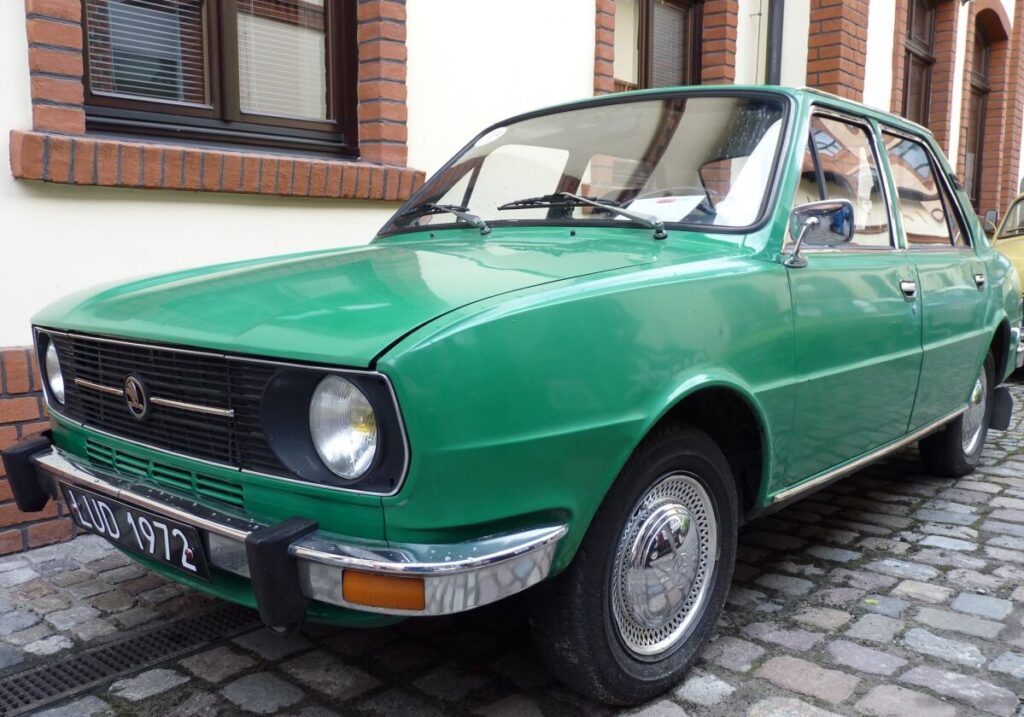
The Skoda 105 and 120, internally designated the 742 series, represented a significant step forward for the Czech automaker during the 1970s and early 1980s. Produced from 1976 to 1983, these rear-engined sedans were intended to modernize Skoda’s lineup and appeal to a broader European market. The 1.0-liter, 45 horsepower variant – available in S, L, and GL trim levels – served as the entry point to the range, offering basic transportation with Skoda’s characteristic durability. While not known for blistering performance, this version was popular for its fuel efficiency and relatively low cost, particularly in Eastern European markets. It played a crucial role in establishing Skoda as a viable competitor beyond the Iron Curtain, paving the way for future models and eventual integration into the Volkswagen Group.
Technical Specifications
| Brand | Skoda |
| Model | 105, 120 (742) |
| Type (Engine) | 1.0 105 S,L,GL (45 Hp) |
| Start of Production | 1976 |
| End of Production | 1983 |
| Powertrain Architecture | Internal Combustion Engine |
| Body Type | Sedan |
| Seats | 5 |
| Doors | 4 |
| Fuel Type | Petrol (Gasoline) |
| Power | 45 Hp |
| Engine Model/Code | 742.10 |
| Engine Aspiration | Naturally Aspirated |
| Engine Oil Capacity | 4 l (4.23 US qt | 3.52 UK qt) |
| Coolant Capacity | 11.5 l (12.15 US qt | 10.12 UK qt) |
| Fuel Tank Capacity | 36 l (9.51 US gal | 7.92 UK gal) |
Powertrain & Engine Architecture
The heart of the Skoda 105/120 1.0 was the 742.10 engine, a 988cc, air-cooled, inline-four cylinder unit. This engine was a development of earlier Skoda designs, retaining the rear-mounted configuration that had been a hallmark of the brand for decades. The engine featured a single overhead camshaft operating two valves per cylinder. Fuel delivery was managed by a single, two-barrel carburetor, a relatively simple system reflecting the car’s intended market and price point. The 742.10 produced 45 horsepower at 5,500 rpm and approximately 62 lb-ft of torque at 3,500 rpm. The engine was mated to a four-speed manual transmission as standard, but a four-speed automatic transmission was also available, though less common. This automatic was a traditional hydraulic torque converter type, offering smooth but not particularly quick shifts. The engine block was constructed from cast iron, contributing to its robustness, while the cylinder head was made of aluminum alloy.
Driving Characteristics
The 1.0-liter Skoda 105/120 was not a performance car. With only 45 horsepower propelling a vehicle weighing around 1,900 pounds, acceleration was leisurely. Zero to sixty mph times were typically in the 18-20 second range. The automatic transmission further diminished performance, with noticeable torque converter slip and slower gear changes. However, the engine was relatively tractable, offering usable power for everyday driving. The rear-engine layout contributed to a unique driving experience, with noticeable rear weight bias. This could lead to oversteer in spirited cornering, but also provided good traction on slippery surfaces. The suspension, consisting of trailing arms at the rear and independent coil springs at the front, offered a reasonably comfortable ride, although it could feel somewhat bouncy on uneven roads. The gear ratios in the automatic transmission were geared towards fuel economy rather than acceleration, making highway cruising at higher speeds somewhat strained.
Equipment & Trim Levels
The 1.0-liter Skoda 105/120 was offered in three trim levels: S, L, and GL. The base ‘S’ model was quite spartan, featuring vinyl upholstery, basic instrumentation, and minimal exterior trim. The ‘L’ trim added cloth upholstery, a more comprehensive instrument cluster, and chrome exterior accents. The ‘GL’ (Grand Luxe) was the most luxurious variant, featuring upgraded upholstery, woodgrain interior trim, a more sophisticated radio, and additional exterior brightwork. Standard equipment across all trims included front disc brakes, rear drum brakes, and a steering wheel. Optional extras included a sunroof, heated rear window, and upgraded audio systems. The interior design was functional but dated, reflecting the car’s origins in the 1960s. The dashboard layout was simple, with clearly labeled controls.
Chassis & Braking
The Skoda 105/120 utilized a monocoque chassis construction, providing a reasonable level of structural rigidity. The front suspension consisted of independent coil springs and wishbones, while the rear suspension employed a trailing arm setup with coil springs. The steering was a recirculating ball system, offering relatively light but imprecise steering feel. Braking was provided by disc brakes at the front and drum brakes at the rear. The braking system was adequate for normal driving conditions, but lacked the stopping power of more modern cars. Stabilizer bars were not standard on the base ‘S’ model, but were included on the ‘L’ and ‘GL’ trims, improving handling and reducing body roll. Tire size was typically 165/80 R14, reflecting the car’s modest performance capabilities.
Market Reception & Comparison
The Skoda 105/120 1.0 Automatic was generally viewed as a practical and affordable family car, particularly in Eastern Europe where it was a popular choice for those seeking reliable transportation. Critics acknowledged its durability and fuel efficiency, but often criticized its lack of performance and dated design. Compared to other trims in the 105/120 lineup, the 1.0-liter automatic was significantly slower than the 1.2-liter and 1.6-liter versions. The 1.6-liter, in particular, offered a much more engaging driving experience. However, the 1.0-liter automatic was more fuel-efficient and less expensive to purchase and maintain. In Western Europe, the Skoda 105/120 faced competition from cars like the Fiat 127 and Renault 5, which offered more modern designs and better performance. However, the Skoda’s robust construction and relatively low price made it a competitive option for budget-conscious buyers.
Legacy
The Skoda 105/120 1.0 powertrain, while not groundbreaking, proved to be remarkably durable and reliable. Many examples remain on the road today, a testament to their robust engineering. The 742.10 engine is relatively simple to maintain, and spare parts are still available, although becoming increasingly scarce. In the used car market, these Skodas are appreciated by enthusiasts for their classic charm and affordability. They represent a unique chapter in automotive history, bridging the gap between the pre- and post-Volkswagen Group eras of Skoda. While the automatic transmission isn’t highly sought after due to its performance limitations, the 1.0-liter engine’s simplicity and longevity ensure its continued relevance among classic car collectors and enthusiasts.