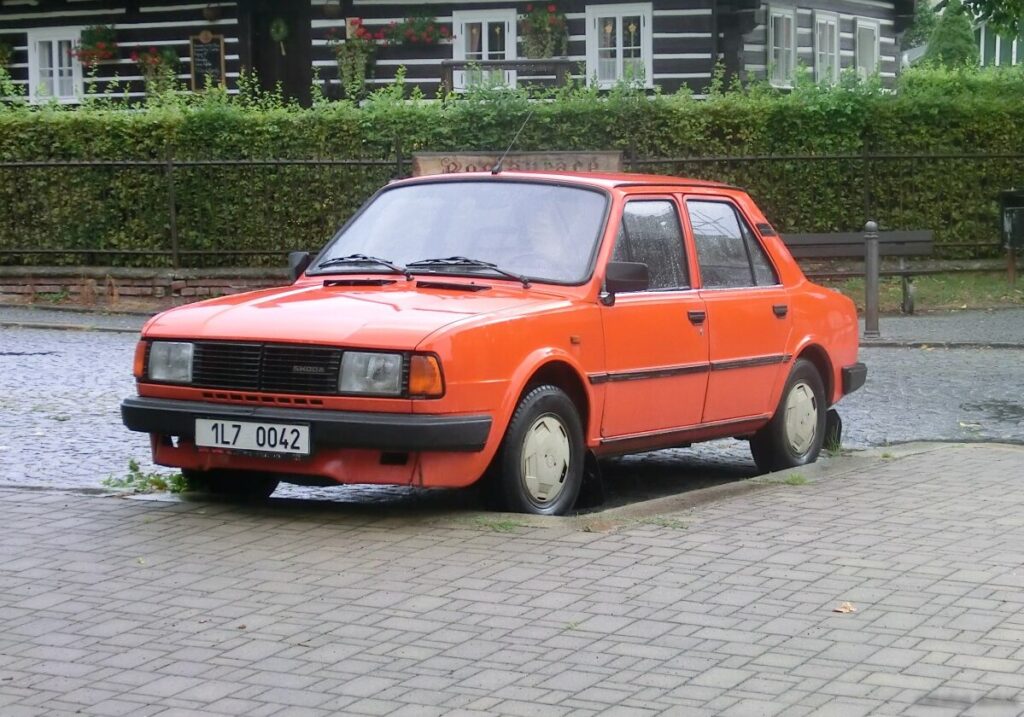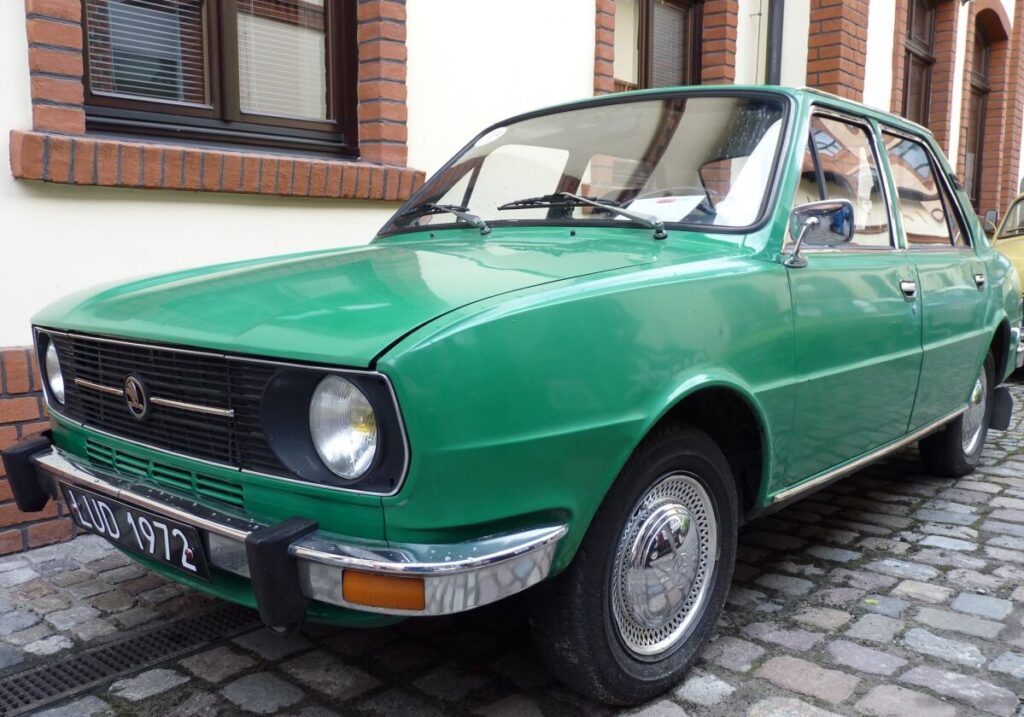
The Škoda 105 and 120, internally designated the 742 series, represented a significant step forward for the Czech automaker, becoming its mainstay models throughout the 1970s and 1980s. Production spanned from 1976 to 1990, with the 1.2 120 L variant, producing 52 horsepower, serving as a popular entry-level option. This model occupied a crucial position in Škoda’s lineup, offering affordable transportation within the Eastern Bloc and, later, gaining a foothold in Western European markets as import restrictions eased. The 742 series was built upon a rear-engine, rear-wheel-drive platform, a configuration that would define Škoda’s identity for decades.
Technical Specifications
| Brand | Škoda |
| Model | 105, 120 |
| Generation | 105, 120 (742) |
| Type (Engine) | 1.2 120 L (52 Hp) |
| Start of production | 1976 |
| End of production | 1990 |
| Powertrain Architecture | Internal Combustion engine |
| Body type | Sedan |
| Seats | 5 |
| Doors | 4 |
| Fuel Type | Petrol (Gasoline) |
| Power | 52 Hp |
| Engine Model/Code | 742.12 |
| Engine aspiration | Naturally aspirated engine |
| Engine oil capacity | 4.6 l (4.86 US qt | 4.05 UK qt) |
| Coolant capacity | 11.5 l (12.15 US qt | 10.12 UK qt) |
| Fuel tank capacity | 36 l (9.51 US gal | 7.92 UK gal) |
Powertrain & Engine Architecture
The Škoda 120 L was powered by a 1,198 cc (1.2L) inline-four cylinder, naturally aspirated engine designated the 742.12. This engine was a development of Škoda’s long-running overhead valve (OHV) design, featuring a single camshaft in the block operating the valves via pushrods. The engine utilized a Solex carburetor for fuel delivery, a common setup for vehicles of this era. While relatively simple, the carburetor provided adequate fuel atomization for the engine’s modest power output. The engine’s compression ratio was approximately 8.5:1. The 52 horsepower peak was achieved at 5,200 rpm, and torque was around 68 lb-ft at 3,100 rpm. The engine was mated to a four-speed manual transmission, although a three-speed automatic transmission was also available, albeit less common. The automatic transmission was a relatively basic unit, designed for smooth, if not particularly rapid, shifts. The rear-engine layout necessitated a transaxle configuration, integrating the transmission and differential into a single unit.
Driving Characteristics
The 1.2 120 L, particularly in automatic guise, was not known for its blistering performance. Acceleration was leisurely, with a 0-60 mph time estimated to be around 18-20 seconds. The automatic transmission further dampened performance, prioritizing comfort over speed. However, the car’s light weight (around 2,200 lbs) helped to mitigate the lack of power. The rear-engine layout contributed to a unique driving experience. While providing decent traction, it also resulted in noticeable understeer when pushed hard. The suspension, consisting of trailing arms at the rear and independent coil springs at the front, offered a reasonably comfortable ride, absorbing bumps and imperfections in the road. The steering, while not particularly precise, was light and easy to use. Compared to the more powerful 120S or 130 models, the 120 L offered a more relaxed driving experience, geared towards everyday commuting and practicality.
Equipment & Trim Levels
The Škoda 120 L was positioned as the entry-level trim within the 742 series. As such, it featured a relatively basic level of equipment. Standard features included cloth upholstery, vinyl floor covering, and simple steel wheels with hubcaps. The dashboard was functional but spartan, with a basic instrument cluster displaying speed, fuel level, and coolant temperature. Optional extras included a radio, heated rear window, and upgraded upholstery. The interior space was surprisingly generous for a car of its size, offering comfortable seating for five passengers. The 120 L typically lacked features like power windows or central locking, reflecting its focus on affordability. Exterior trim was minimal, with chrome bumpers and simple body-colored moldings.
Chassis & Braking
The Škoda 120 L utilized a robust, if somewhat dated, chassis design. The rear-engine layout placed a significant portion of the vehicle’s weight over the rear wheels, influencing its handling characteristics. The suspension system consisted of trailing arms with coil springs and telescopic shock absorbers at the rear, and independent coil springs with wishbones at the front. Braking was initially accomplished with drum brakes on all four wheels, although later models received front disc brakes as standard equipment. The braking system was adequate for normal driving conditions, but lacked the stopping power of more modern vehicles. The steering was a worm-and-roller type, providing light but imprecise steering feel. A stabilizer bar was fitted to the front suspension to reduce body roll during cornering.
Market Reception & Comparison
The Škoda 120 L was generally well-received as an affordable and reliable family car, particularly in Eastern European markets. Critics praised its spacious interior and relatively comfortable ride. However, its performance was often criticized as being underwhelming, especially when compared to Western European competitors. Compared to the more powerful Škoda 120S and 130 models, the 120 L offered significantly lower running costs and a more relaxed driving experience. The 120S, with its higher compression ratio and twin-barrel carburetor, produced around 68 horsepower, offering a noticeable performance improvement. The 130, featuring a larger 1.3-liter engine, delivered even more power. Fuel economy for the 120 L was reasonable for its time, averaging around 35-40 mpg. Reliability was generally good, although the rear-engine layout could present challenges for maintenance and repair.
Legacy
The Škoda 120 L, and the 742 series as a whole, played a pivotal role in establishing Škoda as a recognizable automotive brand. While the rear-engine configuration eventually became obsolete, the 742 series demonstrated Škoda’s engineering capabilities and its commitment to providing affordable transportation. Today, the 120 L is a popular choice among classic car enthusiasts, particularly those interested in Eastern European automotive history. The 742.12 engine, while simple in design, proved to be remarkably durable, and many examples are still running today. Parts availability can be a challenge, but a dedicated community of Škoda enthusiasts continues to support the preservation of these classic vehicles. The 120 L represents a unique chapter in automotive history, a testament to Škoda’s resilience and its enduring appeal.