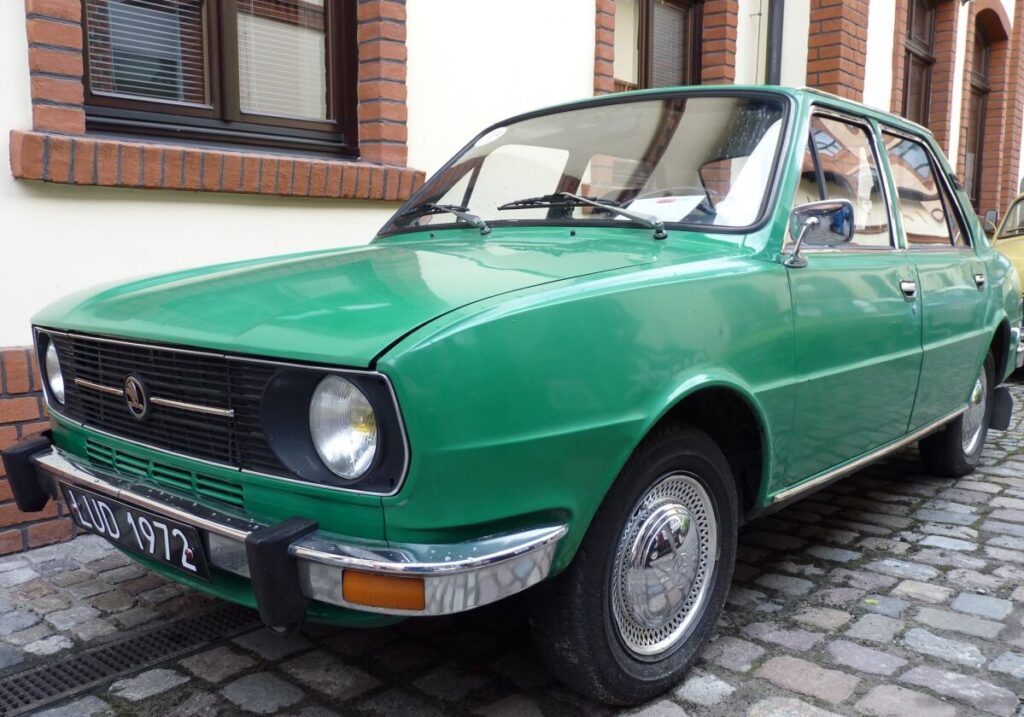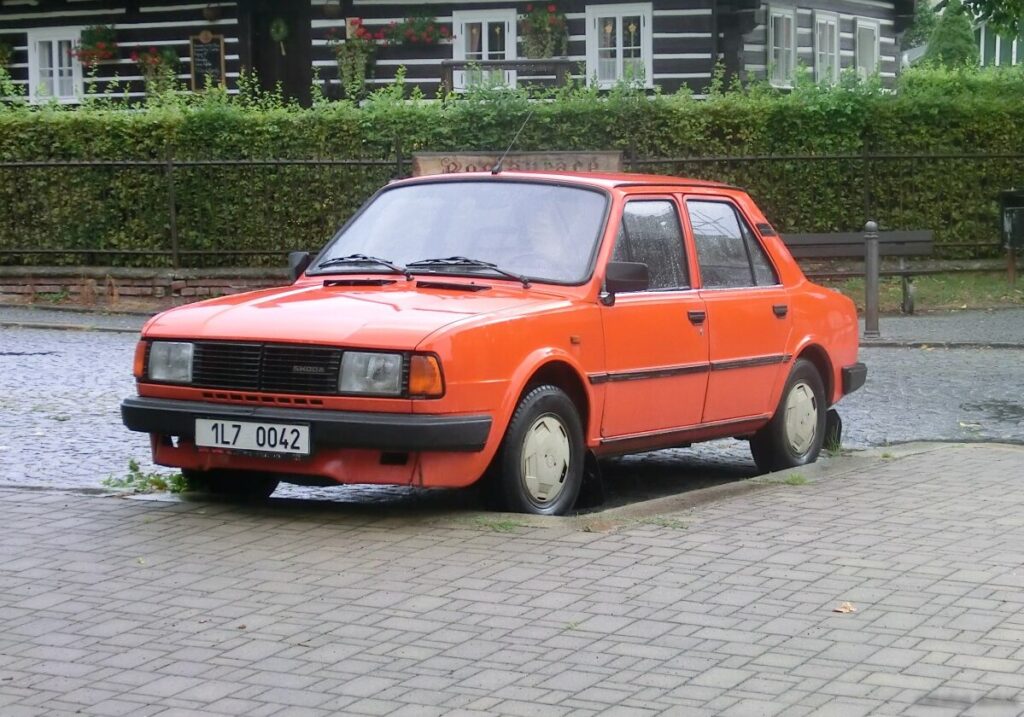
The Skoda 105 and 120, specifically the 744 series produced between 1988 and 1990 with the 1.0-liter 44 horsepower engine (designated 105 S/L), represent a significant, though often overlooked, chapter in the evolution of the Czech automaker. These models were a continuation of the long-running rear-engine, rear-wheel-drive series that defined Skoda for decades, bridging the gap between the older designs and the more modern, front-wheel-drive vehicles that would come to characterize the brand under Volkswagen ownership. The 105/120 series, while appearing similar to its predecessors, incorporated numerous improvements in safety, comfort, and reliability, making it a popular choice in Eastern Europe and a growing presence in Western export markets.
Technical Specifications
| Brand | Skoda |
| Model | 105, 120 (744) |
| Type (Engine) | 1.0 105 S/L (44 Hp) |
| Start of Production | 1988 |
| End of Production | 1990 |
| Powertrain Architecture | Internal Combustion Engine |
| Body Type | Sedan |
| Seats | 5 |
| Doors | 4 |
| Fuel Type | Petrol (Gasoline) |
| Power | 44 Hp |
| Engine Aspiration | Naturally Aspirated |
| Engine Oil Capacity | 4 l (4.23 US qt | 3.52 UK qt) |
| Coolant Capacity | 11.5 l (12.15 US qt | 10.12 UK qt) |
| Fuel Tank Capacity | 37 l (9.77 US gal | 8.14 UK gal) |
Powertrain & Engine Architecture
The heart of the 105 S/L was the 1.0-liter, inline-four cylinder engine, internally designated as the 742.13. This engine, while small by modern standards, was a robust and relatively simple design. It featured a cast iron block and cylinder head, with a single overhead camshaft operating two valves per cylinder. Fuel delivery was handled by a single, two-barrel carburetor – typically a JIKOV – a system common for the time and region. The engine’s modest 44 horsepower output at 5,500 rpm and 66 lb-ft of torque at 3,500 rpm were sufficient for comfortable, if not exhilarating, motoring. The engine was mated to a four-speed manual transmission, as an automatic transmission was not offered on this variant. The rear-wheel-drive layout was a defining characteristic of Skoda vehicles for many years, and the 105/120 continued this tradition. The engine’s design prioritized durability and ease of maintenance over outright performance.
Driving Characteristics
The Skoda 105 S/L with the 1.0-liter engine offered a distinctly utilitarian driving experience. Acceleration was leisurely, with a 0-60 mph time estimated to be well over 15 seconds. The four-speed manual transmission required frequent shifting to maintain momentum, particularly when encountering hills. However, the engine proved to be surprisingly flexible, offering usable torque at lower engine speeds. The rear-engine layout contributed to a unique handling balance, with a tendency towards oversteer if pushed hard. The suspension, consisting of trailing arms at the rear and independent coil springs at the front, provided a reasonably comfortable ride, although it could feel somewhat bouncy on uneven surfaces. Compared to the more powerful 120 models, the 105 S/L prioritized fuel economy and affordability over outright performance. The 120, with its larger 1.2-liter engine, offered a noticeable improvement in acceleration and overall driving enjoyment, but at a higher price point.
Equipment & Trim Levels
The 105 S/L trim level represented a step up from the base 105 model. Standard equipment included cloth upholstery, a basic instrument cluster, and manually operated windows and door locks. The “S” designation indicated a slightly more equipped version than the base “L” model, often including features like a more comfortable driver’s seat and upgraded interior trim. Optional extras included a radio, heated rear window, and upgraded wheels. The interior design was functional and spartan, reflecting the car’s affordable price point. Dashboard materials were typically made of hard plastic, and the overall aesthetic was decidedly utilitarian. The focus was on providing a practical and reliable mode of transportation rather than luxurious appointments.
Chassis & Braking
The Skoda 105/120 series utilized a robust chassis construction, featuring a monocoque body shell. The rear suspension employed a trailing arm design with coil springs and shock absorbers, while the front suspension utilized independent coil springs and wishbones. Braking was accomplished via drum brakes on all four wheels, a common setup for vehicles of this era and price range. Steering was of the worm-and-roller type, providing a relatively heavy but precise feel. The car’s relatively light weight – around 1,800 lbs – helped to compensate for the modest braking power. Stabilizer bars were not typically fitted to the 105 S/L, contributing to a slightly more pronounced body roll during cornering.
Market Reception & Comparison
The Skoda 105 S/L was primarily marketed towards budget-conscious buyers in Eastern Europe and as an affordable export option to Western markets. Critics generally praised the car’s reliability and durability, but noted its lack of performance and refinement compared to Western European competitors. Fuel economy was a strong point, with the 1.0-liter engine achieving around 35-40 mpg. Compared to the 120 models, the 105 S/L offered a lower purchase price and slightly better fuel economy, but at the expense of performance. The 105 S/L was often seen as a sensible and practical choice for those seeking basic transportation, while the 120 appealed to buyers who prioritized driving enjoyment. In terms of reliability, the 105 S/L proved to be a remarkably durable vehicle, with many examples remaining on the road today.
Legacy
The Skoda 105/120 series, and particularly the 1.0-liter 44 horsepower variant, represents a pivotal moment in Skoda’s history. It was one of the last rear-engine, rear-wheel-drive cars produced by the company, and it paved the way for the more modern, front-wheel-drive models that would follow. Today, the 105 S/L is gaining recognition as a classic car, appreciated for its simplicity, reliability, and historical significance. While not a performance icon, it remains a testament to Czech engineering ingenuity and a reminder of a bygone era in automotive history. The powertrain, while simple, proved remarkably durable, and well-maintained examples continue to provide reliable transportation for enthusiasts and collectors. The used car market values these vehicles for their affordability and nostalgic appeal, with prices varying depending on condition and originality.