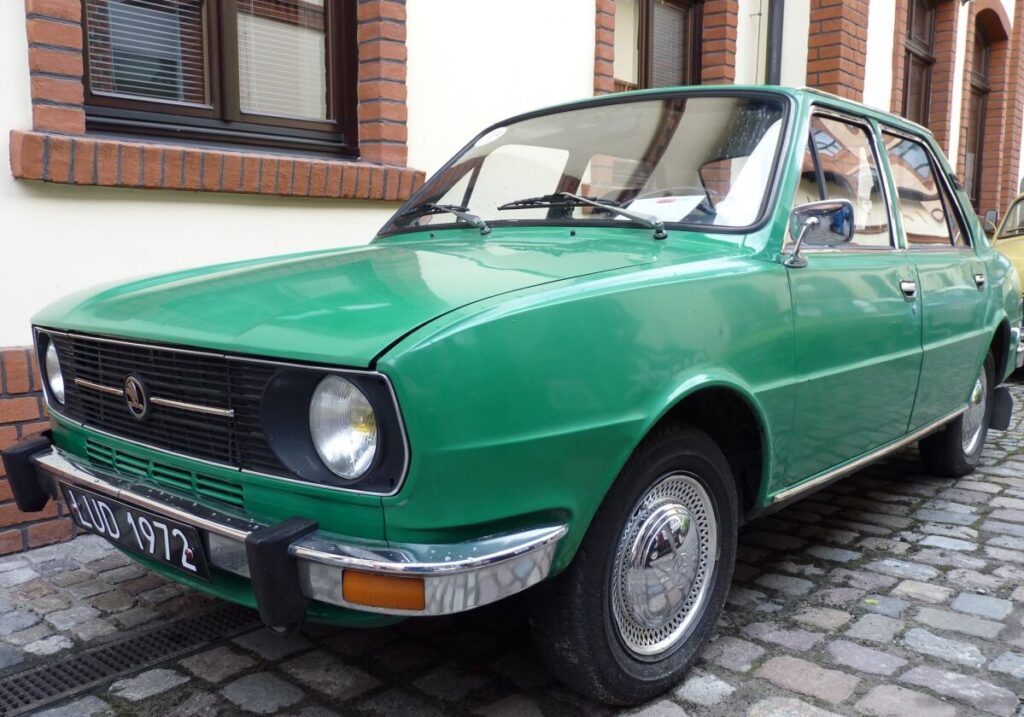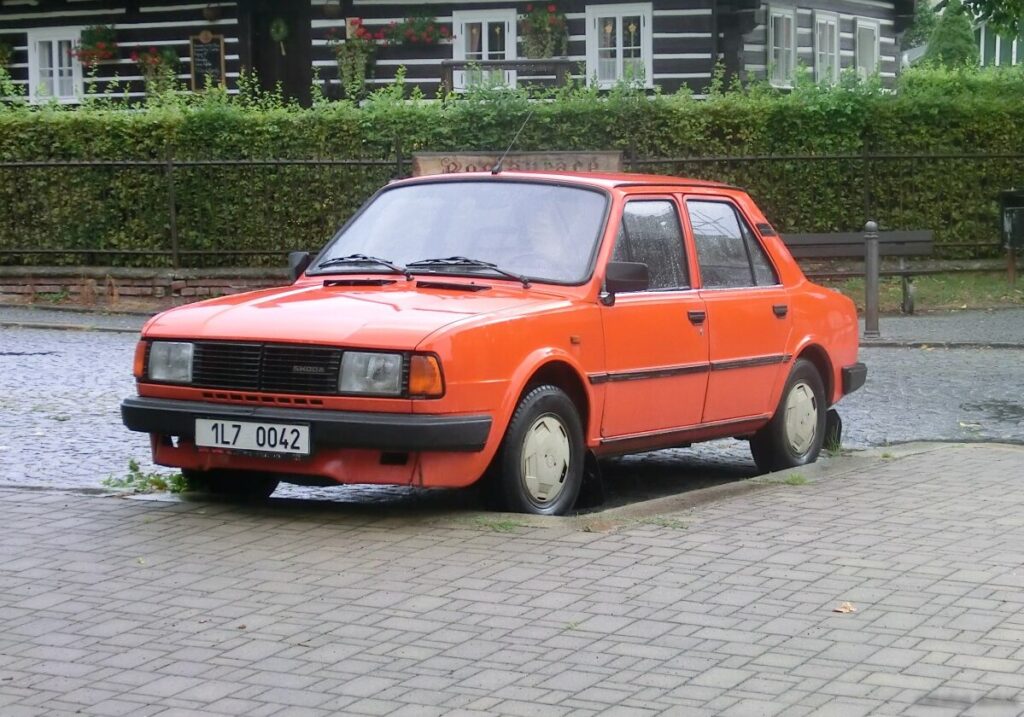
The Skoda 105 and 120, internally designated the 744 series, represented a significant modernization of Skoda’s rear-engine lineup during the 1980s. Produced from 1983 to 1990, these models were a mainstay of the Czechoslovakian automotive market and were also exported to select countries in Western Europe and beyond. The 120 L, powered by a 1.2-liter engine producing 52 horsepower, was a particularly common variant, representing an entry-level option within the 105/120 range. It served as a practical and affordable family car, though it faced increasing competition from more modern front-wheel-drive designs as the decade progressed.
Technical Specifications
| Brand | Skoda |
| Model | 105, 120 (744) |
| Type (Engine) | 1.2 120 L (52 Hp) |
| Start of Production | 1983 |
| End of Production | 1990 |
| Powertrain Architecture | Internal Combustion Engine |
| Body Type | Sedan |
| Seats | 5 |
| Doors | 4 |
| Fuel Type | Petrol (Gasoline) |
| Power | 52 Hp |
| Engine Aspiration | Naturally Aspirated |
| Engine Oil Capacity | 4 l (4.23 US qt | 3.52 UK qt) |
| Coolant Capacity | 11.5 l (12.15 US qt | 10.12 UK qt) |
| Fuel Tank Capacity | 37 l (9.77 US gal | 8.14 UK gal) |
Powertrain & Engine Architecture
The Skoda 120 L was equipped with a 1,198 cc (73.0 cubic inches) inline-four cylinder, air-cooled engine. This engine, derived from earlier Skoda designs, featured a relatively simple overhead valve (OHV) valvetrain with two valves per cylinder. The engine’s design was a direct descendant of the engines used in the earlier Skoda 105 and 120 models, but with some refinements aimed at improving reliability and reducing emissions. Fuel delivery was handled by a single, two-barrel carburetor. The engine’s modest 52 horsepower output at 5,500 rpm and 66 lb-ft of torque at 3,300 rpm were sufficient for basic transportation, but didn’t offer particularly spirited performance. The engine was mated to a four-speed manual transmission as standard, though a three-speed automatic transmission was offered as an option, albeit rarely chosen due to its significant performance penalty. The automatic transmission was a relatively primitive design, contributing to lower fuel economy and slower acceleration.
Driving Characteristics
The 120 L with the 1.2-liter engine and manual transmission offered adequate, if uninspiring, performance. Acceleration to 60 mph took approximately 18-20 seconds, and top speed was around 85 mph. The car’s rear-engine, rear-wheel-drive layout contributed to a distinctive driving experience, characterized by noticeable rear-end weight bias. This could lead to oversteer in cornering, particularly on slippery surfaces. The automatic transmission version suffered from even slower acceleration and reduced responsiveness. The gear ratios were spaced to prioritize fuel economy over performance, making the car feel sluggish when attempting to overtake or climb hills. Steering was relatively light but lacked precision, and the suspension, while providing a reasonably comfortable ride, wasn’t particularly sporty.
Equipment & Trim Levels
The 120 L represented the base trim level of the 105/120 range. Standard equipment was fairly basic, reflecting its position as an affordable family car. It typically included cloth upholstery, vinyl floor covering, and simple steel wheels with hubcaps. The dashboard was functional but lacked any significant styling flourishes. Optional extras included upgraded upholstery, a radio, and, in some markets, a heated rear window. The 120 L was generally distinguished from the higher-spec 120 models by its lack of chrome trim and simpler interior appointments. The exterior paint options were limited to a range of solid colors.
Chassis & Braking
The Skoda 105/120 series utilized a relatively simple chassis design. The suspension consisted of independent trailing arms at the rear and MacPherson struts at the front. Rear suspension geometry was designed to mitigate the effects of the rear engine’s weight. The 120 L typically featured drum brakes on all four wheels, although some later models and export versions were equipped with front disc brakes. Steering was of the worm-and-roller type, providing a relatively high steering ratio. The car’s unladen weight was around 2,200 lbs, contributing to its modest fuel economy. Stabilizer bars were not standard equipment on the 120 L, further contributing to its less-than-sporty handling characteristics.
Market Reception & Comparison
The Skoda 120 L was generally well-received in its primary markets as a practical and affordable family car. However, it faced increasing competition from more modern front-wheel-drive vehicles, such as the Fiat Uno and the Renault 5, which offered better fuel economy, handling, and interior space. Critics often pointed to the Skoda’s outdated rear-engine layout and relatively primitive technology as drawbacks. Compared to the higher-spec Skoda 120 models, the 120 L offered significantly less performance and refinement. The 120 LS, with its larger 1.3-liter engine and improved trim, was a more popular choice for buyers seeking a more enjoyable driving experience. Fuel economy for the 120 L was around 35-40 mpg, depending on driving conditions. Reliability was generally good, but the air-cooled engine required regular maintenance to prevent overheating.
Legacy
The Skoda 120 L, and the 105/120 series as a whole, represent a significant chapter in the history of the Czech automotive industry. While the cars are now largely obsolete, they remain popular among classic car enthusiasts, particularly in Eastern Europe. The 1.2-liter engine, while not particularly powerful, proved to be relatively durable and is still supported by a network of parts suppliers. The Skoda 105/120 series paved the way for Skoda’s eventual integration into the Volkswagen Group and its subsequent transformation into a modern automotive manufacturer. Today, well-maintained examples of the 120 L can be found in the used car market, offering a nostalgic glimpse into a bygone era of automotive design. The simplicity of the design makes them relatively easy to maintain for those with mechanical aptitude, though finding parts can sometimes be a challenge.