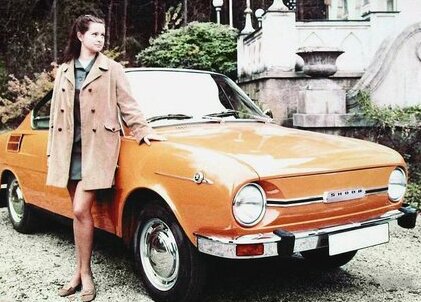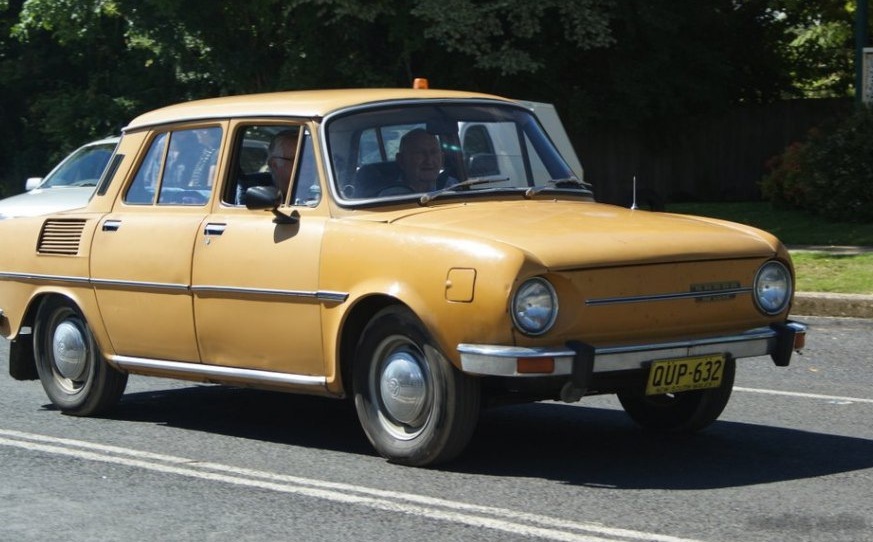
The Škoda 110 1.1 LS represents a significant chapter in the history of Škoda Auto, and Czechoslovakian automotive engineering. Produced between 1970 and 1977, this variant of the 110 series served as a mainstay for families and commuters in both domestic and export markets. It was part of the broader 110/110L family, which replaced the Škoda 1000 MB and 1100 MB models, offering a more modern design and improved mechanicals. The 1.1 LS trim, with its 52 horsepower engine, occupied the entry-level position within the 110 range, prioritizing affordability and practicality over outright performance. It was a key model in establishing Škoda’s presence in Western Europe during a period of political and economic change.
Technical Specifications
| Brand | Škoda |
| Model | 110 |
| Generation | 110 |
| Type (Engine) | 1.1 LS (52 Hp) |
| Start of production | 1970 |
| End of production | 1977 |
| Powertrain Architecture | Internal Combustion engine |
| Body type | Sedan |
| Seats | 5 |
| Doors | 4 |
| Fuel consumption (extra urban) | 8.5 l/100 km (27.7 US mpg, 33.2 UK mpg, 11.8 km/l) |
| Fuel Type | Petrol (Gasoline) |
| Acceleration 0 – 100 km/h | 18.5 sec |
| Acceleration 0 – 62 mph | 18.5 sec |
| Acceleration 0 – 60 mph | 17.6 sec |
| Maximum speed | 145 km/h (90.1 mph) |
| Power | 52 Hp |
| Engine aspiration | Naturally aspirated engine |
| Engine oil capacity | 4.4 l (4.65 US qt, 3.87 UK qt) |
| Coolant capacity | 6.8 l (7.19 US qt, 5.98 UK qt) |
Powertrain & Engine Architecture
The Škoda 110 1.1 LS was powered by a 1,108 cc (67.6 cubic inch) inline four-cylinder engine, designated as the 742.11. This engine was a development of the earlier Škoda 1000 MB unit, featuring a cast iron block and an aluminum cylinder head. It employed a single overhead camshaft (SOHC) valvetrain, operating two valves per cylinder. Fuel delivery was managed by a single, down-draft carburetor – typically a JIKOV 32 DFR – a common setup for European cars of this era. The engine produced 52 horsepower at 5,200 rpm and 66.7 lb-ft of torque at 3,400 rpm. The engine was mated to a four-speed manual transmission as standard, though a three-speed automatic transmission was available as an option, albeit relatively rare. The automatic transmission was a conventional torque converter type, offering smoother operation but at the expense of some performance and fuel economy. The engine’s design prioritized durability and ease of maintenance over high output, reflecting the intended use case of the vehicle.
Driving Characteristics
The Škoda 110 1.1 LS, particularly in its automatic guise, was not known for its blistering performance. Acceleration from 0 to 60 mph took around 17.6 seconds, and top speed was limited to approximately 90 mph. The automatic transmission, while providing convenience, further diminished acceleration due to its inherent efficiency losses and relatively wide gear ratios. The car felt most comfortable at steady highway speeds, where the engine could operate within its optimal range. Handling was adequate for everyday driving, with a rear-wheel-drive layout providing predictable, if not particularly sporty, behavior. The suspension, consisting of independent front suspension with coil springs and a rear axle with trailing arms and semi-elliptic leaf springs, offered a reasonably comfortable ride, absorbing bumps and imperfections in the road surface. Compared to the manual transmission versions, the automatic 110 LS felt noticeably slower, especially during overtaking maneuvers. The manual transmission allowed drivers to better utilize the engine’s limited power band, resulting in a more engaging and responsive driving experience.
Equipment & Trim Levels
The “LS” designation in the 110 1.1 LS stood for “Luxus Special,” indicating a slightly higher level of equipment compared to the base model. Standard features included cloth upholstery, a basic instrument panel with speedometer, fuel gauge, and coolant temperature indicator, and a two-spoke steering wheel. The interior was functional and utilitarian, reflecting the car’s affordable price point. Optional extras included a radio, heated rear window, and upgraded upholstery materials. The exterior trim was relatively simple, with chrome bumpers and brightwork providing a touch of visual appeal. The 110 LS typically featured body-colored hubcaps and a more refined interior trim compared to the base 110 model. The automatic transmission option often came bundled with additional comfort features, such as a center console and upgraded interior trim.
Chassis & Braking
The Škoda 110 1.1 LS utilized a body-on-frame construction, a common practice for cars of this era. The chassis was relatively simple, prioritizing cost-effectiveness and ease of repair. The front suspension featured independent, double wishbone setup with coil springs and anti-roll bar, while the rear suspension employed a trailing arm design with a leaf spring. Braking was initially provided by drum brakes on all four wheels, although later models were upgraded with front disc brakes. The braking system was adequate for normal driving conditions, but lacked the stopping power of more modern vehicles. Steering was of the worm-and-roller type, providing a relatively heavy but precise feel. The car’s overall weight was around 2,200 lbs, contributing to its modest performance and fuel economy.
Market Reception & Comparison
The Škoda 110 1.1 LS was generally well-received in its target markets, particularly in Eastern Europe and as an affordable option in Western Europe. Critics praised its durability, practicality, and relatively low running costs. However, its performance was often criticized as being underwhelming, especially compared to contemporary Western European cars. The automatic transmission version was seen as a compromise, offering convenience at the expense of performance and fuel economy. Compared to other Škoda 110 variants, such as the 110L with its larger engine, the 1.1 LS was positioned as the entry-level model, appealing to budget-conscious buyers. The 110L offered more power and a more refined driving experience, but at a higher price point. Fuel economy was reasonable for the time, averaging around 28 mpg on the open road.
Legacy
The Škoda 110 1.1 LS holds a significant place in automotive history as a representative of Czechoslovakian engineering and design. While not a performance icon, it was a reliable and practical car that served the needs of many families for over a decade. Today, the 110 1.1 LS is a popular choice among classic car enthusiasts, particularly those interested in Eastern European automotive history. The 1.1 engine, while not particularly powerful, is known for its durability and relative simplicity, making it relatively easy to maintain. Parts availability can be a challenge, but a dedicated community of Škoda enthusiasts continues to support the preservation of these classic vehicles. The automatic transmission versions, while less common, are particularly sought after by collectors due to their rarity and unique driving experience. The Škoda 110 1.1 LS remains a testament to the ingenuity and resourcefulness of Czechoslovakian automotive engineers.