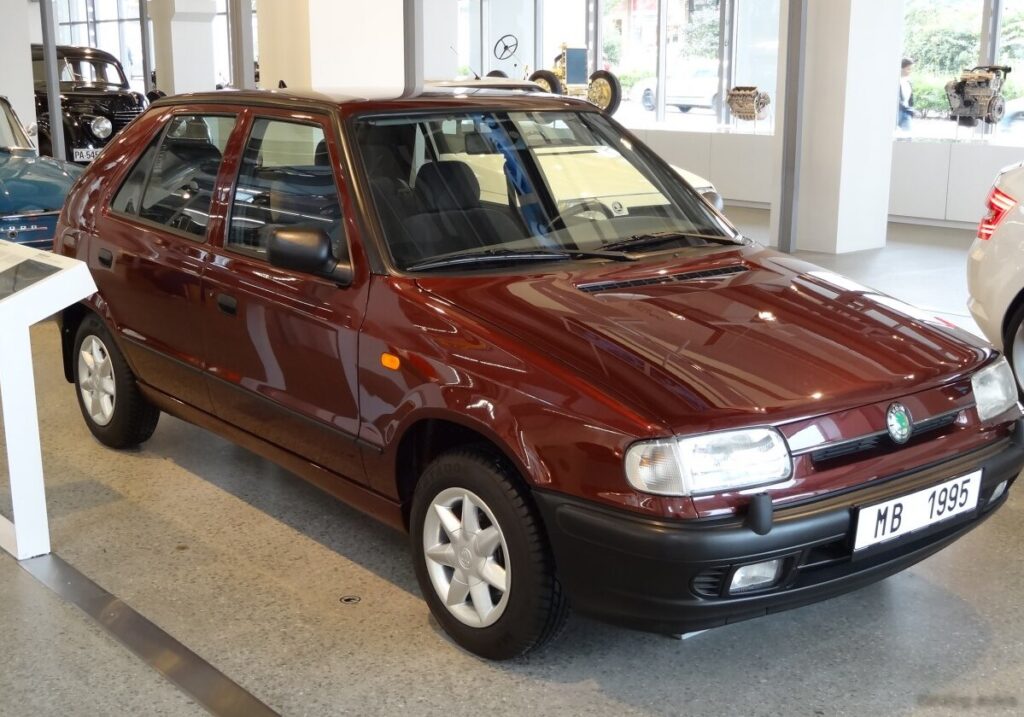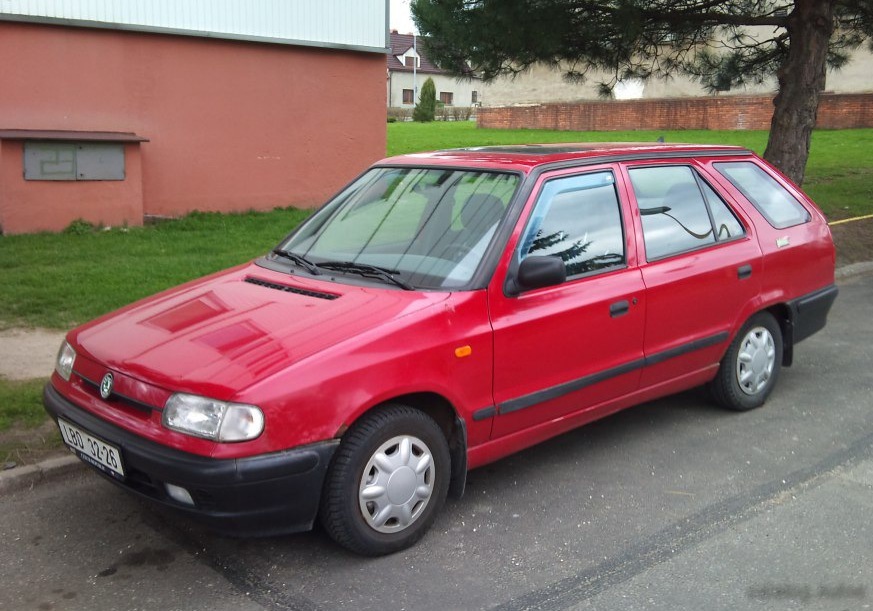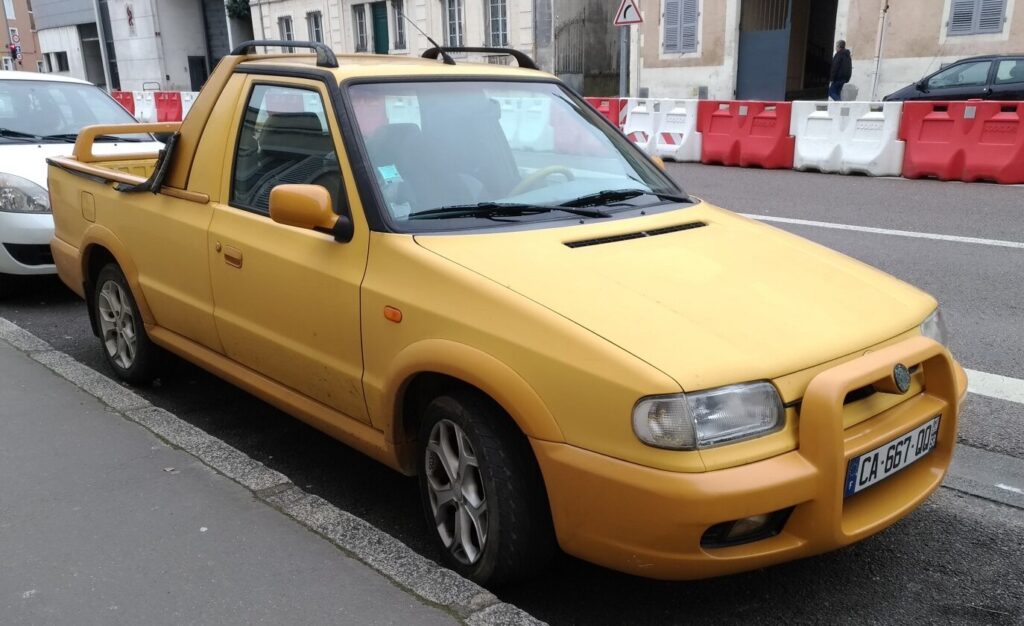
The Skoda Felicia I Fun (797) 1.3, produced between 1997 and 2000, represents a unique offering within the broader Felicia range. Positioned as a practical and affordable entry-level vehicle, the “Fun” trim, specifically with the 1.3-liter engine producing 54 horsepower, was primarily aimed at buyers seeking a utilitarian vehicle for both work and personal use. The Felicia I, launched in 1994, was a significant model for Skoda, representing a move towards more modern design and engineering following the fall of communism in Czechoslovakia and subsequent integration into the Volkswagen Group. The 797 designation refers to the internal project code for the pickup body style, distinguishing it from the hatchback and estate versions.
Technical Specifications
| Brand | Skoda |
| Model | Felicia |
| Generation | Felicia I Fun (797) |
| Type (Engine) | 1.3 (54 Hp) |
| Start of production | 1997 |
| End of production | 2000 |
| Powertrain Architecture | Internal Combustion engine |
| Body type | Pick-up |
| Seats | 5 |
| Doors | 5 |
| Fuel Type | Petrol (Gasoline) |
| Acceleration 0 – 100 km/h | 16 sec |
| Acceleration 0 – 62 mph | 16 sec |
| Acceleration 0 – 60 mph | 15.2 sec |
| Maximum speed | 145 km/h / 90.1 mph |
| Weight-to-power ratio | 18.1 kg/Hp, 55.4 Hp/tonne |
| Weight-to-torque ratio | 9.8 kg/Nm, 101.5 Nm/tonne |
| Power | 54 Hp @ 4500 rpm |
| Power per litre | 41.9 Hp/l |
| Torque | 99 Nm @ 3000 rpm / 73.02 lb.-ft. @ 3000 rpm |
| Engine layout | Front, Transverse |
| Engine Model/Code | AMG |
| Engine displacement | 1289 cm3 / 78.66 cu. in. |
| Number of cylinders | 4 |
| Engine configuration | Inline |
| Cylinder Bore | 75.5 mm / 2.97 in. |
| Piston Stroke | 72 mm / 2.83 in. |
| Compression ratio | 9:1 |
| Number of valves per cylinder | 2 |
| Fuel injection system | Multi-port manifold injection |
| Engine aspiration | Naturally aspirated engine |
| Engine oil capacity | 4.5 l / 4.76 US qt | 3.96 UK qt |
| Coolant | 6 l / 6.34 US qt | 5.28 UK qt |
| Kerb Weight | 975 kg / 2149.51 lbs. |
| Max. weight | 1460 kg / 3218.75 lbs. |
| Max load | 485 kg / 1069.24 lbs. |
| Trunk (boot) space – maximum | 447 l / 15.79 cu. ft. |
| Fuel tank capacity | 47 l / 12.42 US gal | 10.34 UK gal |
| Length | 4237 mm / 166.81 in. |
| Wheelbase | 2450 mm / 96.46 in. |
| Front track | 1420 mm / 55.91 in. |
| Rear (Back) track | 1380 mm / 54.33 in. |
| Drivetrain Architecture | The Internal combustion engine (ICE) drives the front wheels of the vehicle. |
| Drive wheel | Front wheel drive |
| Number of gears and type of gearbox | 5 gears, manual transmission |
| Front suspension | Coil spring |
| Front brakes | Disc |
| Rear brakes | Drum |
| Steering type | Steering rack and pinion |
| Tires size | 165/70 R13 |
| Wheel rims size | 5.5J x 13 |
Powertrain & Engine Architecture
The Skoda Felicia Fun 1.3 utilized the VW AMG engine code, a 1.3-liter inline four-cylinder petrol engine. This engine was a relatively simple design, featuring a single overhead camshaft (SOHC) operating two valves per cylinder. Fuel delivery was managed by a multi-port fuel injection system, a step up from the carburetor systems found in older Skoda models. The AMG engine produced 54 horsepower at 4500 rpm and 99 Nm (73 lb-ft) of torque at 3000 rpm. The engine’s relatively low compression ratio of 9:1 allowed it to run on lower octane fuel, common in many European markets. The engine was transversely mounted, driving the front wheels. The transmission was a standard five-speed manual gearbox, chosen for its affordability and simplicity. An automatic transmission was not offered with this specific engine and trim combination.
Driving Characteristics
The 1.3-liter engine in the Felicia Fun provided adequate, but not exhilarating, performance. Acceleration from 0-60 mph took approximately 15.2 seconds, and the top speed was around 90 mph. The engine felt somewhat strained when fully loaded or climbing hills. The five-speed manual transmission was well-matched to the engine’s characteristics, allowing drivers to keep the engine in its optimal power band. Gear ratios were relatively long, prioritizing fuel economy over outright acceleration. Compared to the more powerful 1.6-liter versions of the Felicia, the 1.3 felt noticeably slower, but it offered a more economical driving experience. The suspension, while basic, provided a reasonably comfortable ride, even on uneven surfaces.
Equipment & Trim Levels
The “Fun” trim level of the Felicia I was considered the base model. Standard equipment included basic steel wheels with hubcaps, cloth upholstery, a simple dashboard layout, and manual windows and door locks. Safety features were limited, typically including only a driver’s airbag and seatbelts. Optional extras included power steering, central locking, and a radio/cassette player. The interior was functional and durable, designed to withstand the rigors of daily use. The pickup bed offered a practical cargo area for carrying loads, making it suitable for both commercial and personal applications.
Chassis & Braking
The Felicia I Fun utilized a relatively simple chassis design. The front suspension consisted of coil springs and independent suspension, while the rear suspension employed a twist beam axle. The braking system featured disc brakes on the front wheels and drum brakes on the rear wheels. The braking performance was adequate for the vehicle’s weight and power, but it lacked the stopping power of more modern vehicles. The steering was a rack and pinion system, providing reasonably precise steering feel. The tires were typically 165/70 R13, chosen for their affordability and durability.
Market Reception & Comparison
The Skoda Felicia I Fun 1.3 was generally well-received as an affordable and practical vehicle. Critics praised its spacious interior, decent fuel economy, and robust build quality. However, the engine’s lack of power was a common criticism. Compared to other vehicles in its class, such as the Fiat Uno or Renault Clio, the Felicia offered a more spacious interior and a larger cargo capacity, particularly in the pickup configuration. The 1.6-liter Felicia offered significantly better performance, but at a higher price point. The 1.9 TDI diesel version provided excellent fuel economy but was more expensive to purchase and maintain.
Legacy
The Skoda Felicia I Fun 1.3, while not a performance icon, holds a significant place in Skoda’s history. It represented a turning point for the brand, demonstrating its ability to produce modern, reliable vehicles. The AMG engine, while simple, proved to be relatively durable and reliable. Today, the Felicia Fun 1.3 is a relatively affordable classic car, popular among enthusiasts seeking a practical and nostalgic vehicle. Parts availability is generally good, thanks to the widespread use of VW components. The vehicle’s simple design makes it relatively easy to maintain and repair, making it a popular choice for those who enjoy working on their own cars. The Felicia Fun 1.3 remains a testament to Skoda’s commitment to providing affordable and reliable transportation.