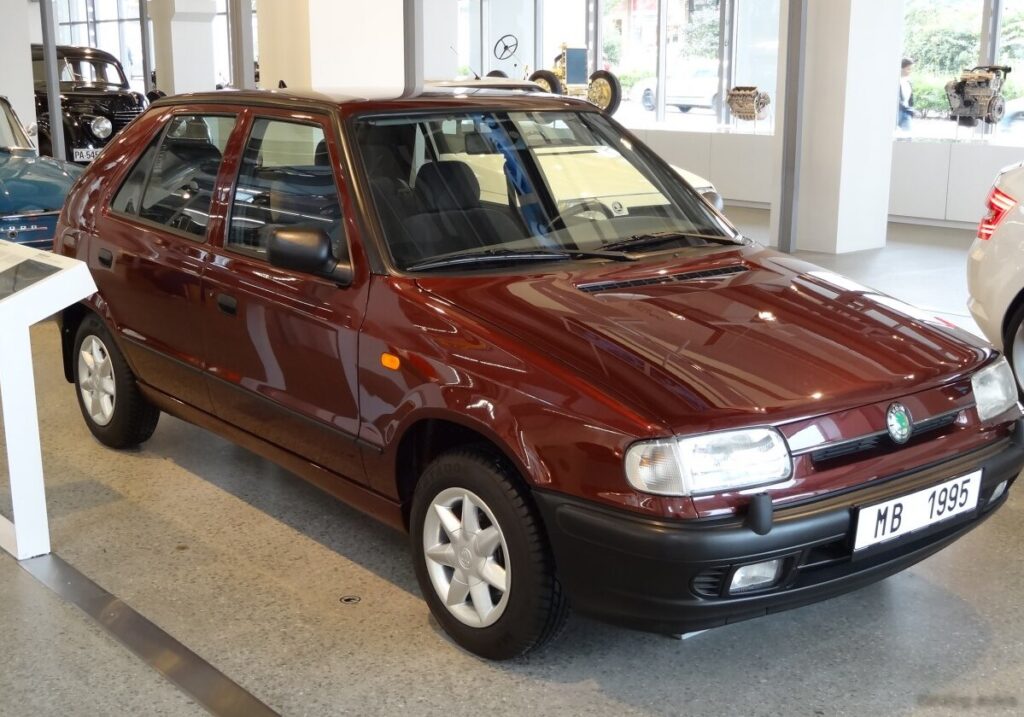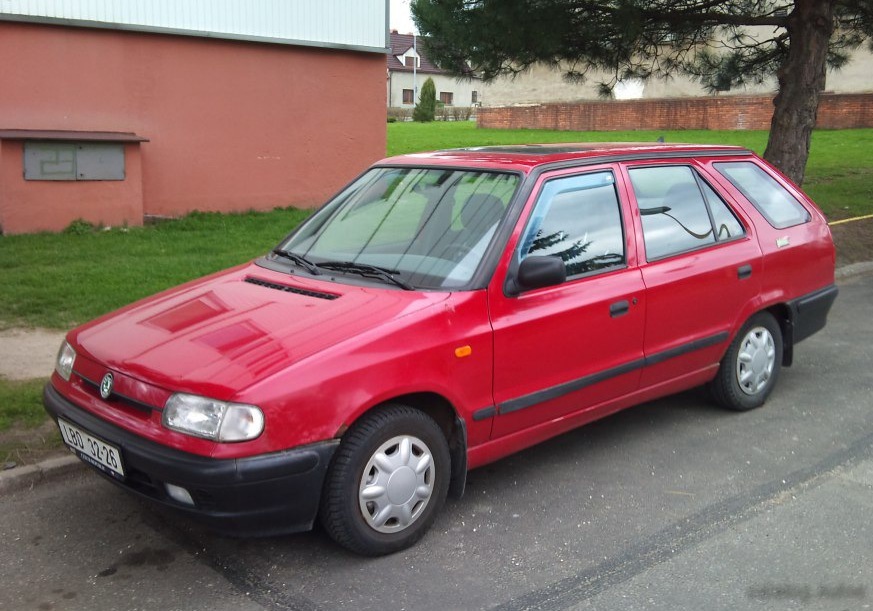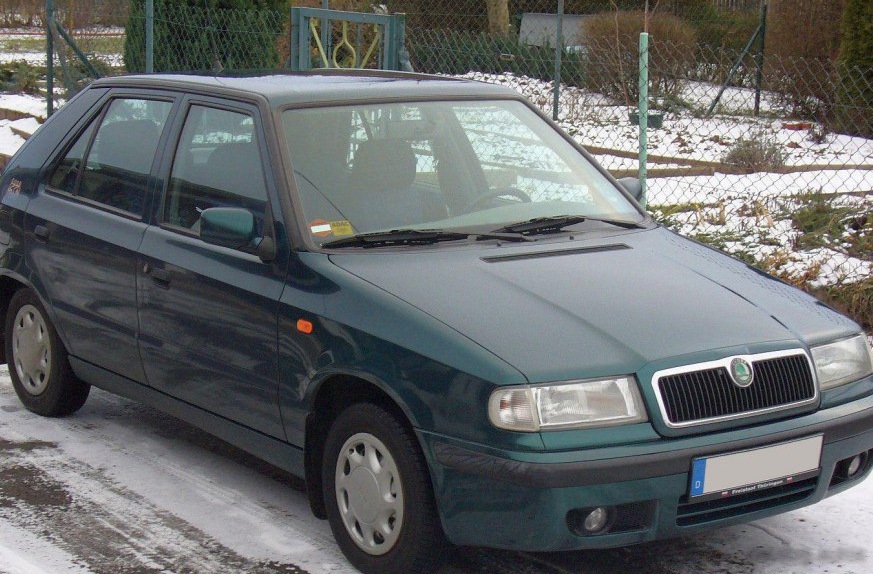
The Skoda Felicia II 1.3, producing 58 horsepower, was a mainstay of the Czech automaker’s lineup from January 1998 to August 2001. Positioned as the entry-level variant of the Felicia II range, it served as an affordable and practical hatchback aimed at budget-conscious buyers. The Felicia II itself represented a significant modernization of the original Felicia, built upon a revised platform and offering improved comfort and features. This 1.3-liter model played a crucial role in establishing Skoda as a viable competitor in Western European markets following its acquisition by the Volkswagen Group.
Technical Specifications
| Brand | Skoda |
| Model | Felicia |
| Generation | Felicia II |
| Type (Engine) | 1.3 (58 Hp) |
| Start of production | January, 1998 |
| End of production | August, 2001 |
| Powertrain Architecture | Internal Combustion engine |
| Body type | Hatchback |
| Seats | 5 |
| Doors | 5 |
| Fuel Type | Petrol (Gasoline) |
| Acceleration 0 – 100 km/h | 15 sec |
| Acceleration 0 – 62 mph | 15 sec |
| Acceleration 0 – 60 mph | 14.3 sec |
| Maximum speed | 145 km/h (90.1 mph) |
| Weight-to-power ratio | 16.1 kg/Hp, 62 Hp/tonne |
| Weight-to-torque ratio | 9.9 kg/Nm, 100.5 Nm/tonne |
| Power | 58 Hp @ 5000 rpm |
| Power per litre | 45 Hp/l |
| Torque | 94 Nm @ 3000 rpm (69.33 lb.-ft. @ 3000 rpm) |
| Engine layout | Front, Transverse |
| Engine Model/Code | AMJ |
| Engine displacement | 1289 cm3 (78.66 cu. in.) |
| Number of cylinders | 4 |
| Engine configuration | Inline |
| Cylinder Bore | 75.5 mm (2.97 in.) |
| Piston Stroke | 72 mm (2.83 in.) |
| Compression ratio | 8.8:1 |
| Number of valves per cylinder | 2 |
| Fuel injection system | Carburettor |
| Engine aspiration | Naturally aspirated engine |
| Engine oil capacity | 4.5 l (4.76 US qt | 3.96 UK qt) |
| Coolant | 6 l (6.34 US qt | 5.28 UK qt) |
| Kerb Weight | 935 kg (2061.32 lbs.) |
| Max. weight | 1420 kg (3130.56 lbs.) |
| Max load | 485 kg (1069.24 lbs.) |
| Trunk (boot) space – minimum | 272 l (9.61 cu. ft.) |
| Trunk (boot) space – maximum | 965 l (34.08 cu. ft.) |
| Fuel tank capacity | 47 l (12.42 US gal | 10.34 UK gal) |
| Length | 3883 mm (152.87 in.) |
| Width | 1635 mm (64.37 in.) |
| Height | 1420 mm (55.91 in.) |
| Wheelbase | 2450 mm (96.46 in.) |
| Front track | 1420 mm (55.91 in.) |
| Rear (Back) track | 1380 mm (54.33 in.) |
| Drivetrain Architecture | The Internal combustion engine (ICE) drives the front wheels of the vehicle. |
| Drive wheel | Front wheel drive |
| Number of gears and type of gearbox | 5 gears, manual transmission |
| Front suspension | Coil spring |
| Rear suspension | Coil spring |
| Front brakes | Disc |
| Rear brakes | Drum |
| Assisting systems | ABS (Anti-lock braking system) |
| Steering type | Steering rack and pinion |
| Tires size | 165/70 R13 |
| Wheel rims size | 5.5J x 13 |
Powertrain & Engine Architecture
The heart of the Felicia II 1.3 was the AMJ engine, a 1.3-liter inline-four cylinder petrol engine. This engine, while relatively simple in design, was known for its durability. Notably, it utilized a carburetor fuel system, a feature becoming increasingly rare in the late 1990s as fuel injection became the industry standard. The carburetor, while less efficient than fuel injection, contributed to the car’s lower price point and was considered relatively easy to maintain. The engine featured a single overhead camshaft (SOHC) operating two valves per cylinder. The 58 horsepower output was achieved at 5000 rpm, with peak torque of 94 Nm (69.33 lb-ft) arriving at 3000 rpm. The engine was transversely mounted, driving the front wheels. The standard transmission was a five-speed manual gearbox, optimized for fuel economy rather than outright performance.
Driving Characteristics
The 1.3-liter Felicia II was not a performance car. Acceleration was modest, taking approximately 15 seconds to reach 62 mph (100 km/h). The carburetor-fed engine delivered power in a linear fashion, but lacked the responsiveness of fuel-injected counterparts. The five-speed manual transmission helped to keep the engine within its optimal operating range, but frequent downshifts were often necessary for overtaking or climbing hills. Compared to the more powerful 1.6-liter versions, the 1.3 felt noticeably slower, but it offered a more economical driving experience. The suspension, while basic, provided a comfortable ride on most road surfaces. The steering was light and easy to use, making it well-suited for urban driving.
Equipment & Trim Levels
The Felicia II 1.3 was typically equipped with basic, but functional features. Standard equipment included central locking, power steering, and a basic stereo system. Interior upholstery was typically cloth, with a simple dashboard layout. Optional extras included power windows, air conditioning, and alloy wheels. The trim level was generally considered the base model, focusing on affordability and practicality. Higher trim levels, such as the LX and GLX, offered more luxurious features and more powerful engine options.
Chassis & Braking
The Felicia II utilized a relatively simple chassis design. Front suspension consisted of coil springs and independent wishbones, while the rear suspension employed a twist beam axle with coil springs. Brakes were disc brakes at the front and drum brakes at the rear. Anti-lock Braking System (ABS) was available as an option, enhancing safety. The car’s relatively light weight (935 kg / 2061 lbs) helped to compensate for the modest engine power. Stabilizer bars were fitted to improve handling, but the overall driving experience was geared towards comfort and practicality rather than sporty performance.
Market Reception & Comparison
The Felicia II 1.3 was well-received as an affordable and reliable hatchback. Critics praised its practicality, spacious interior, and low running costs. However, the carburetor engine and modest performance were often cited as drawbacks. Compared to other cars in its class, such as the Renault Clio or Peugeot 206, the Felicia II offered a more basic driving experience but at a lower price point. Fuel economy was a strong point, making it an attractive option for budget-conscious buyers. The 1.6-liter versions of the Felicia II offered significantly better performance, but at a higher cost.
Legacy
The Skoda Felicia II 1.3, while not a groundbreaking vehicle, played a significant role in Skoda’s resurgence as a major automotive manufacturer. Its affordability and reliability made it a popular choice in many European markets. The AMJ engine, despite its carburetor design, proved to be durable and relatively easy to maintain. Today, the Felicia II 1.3 is a relatively common sight in the used car market, often sought after by those looking for a cheap and practical runabout. While not a collector’s item, it represents a significant chapter in Skoda’s history and a testament to the brand’s commitment to providing affordable transportation.