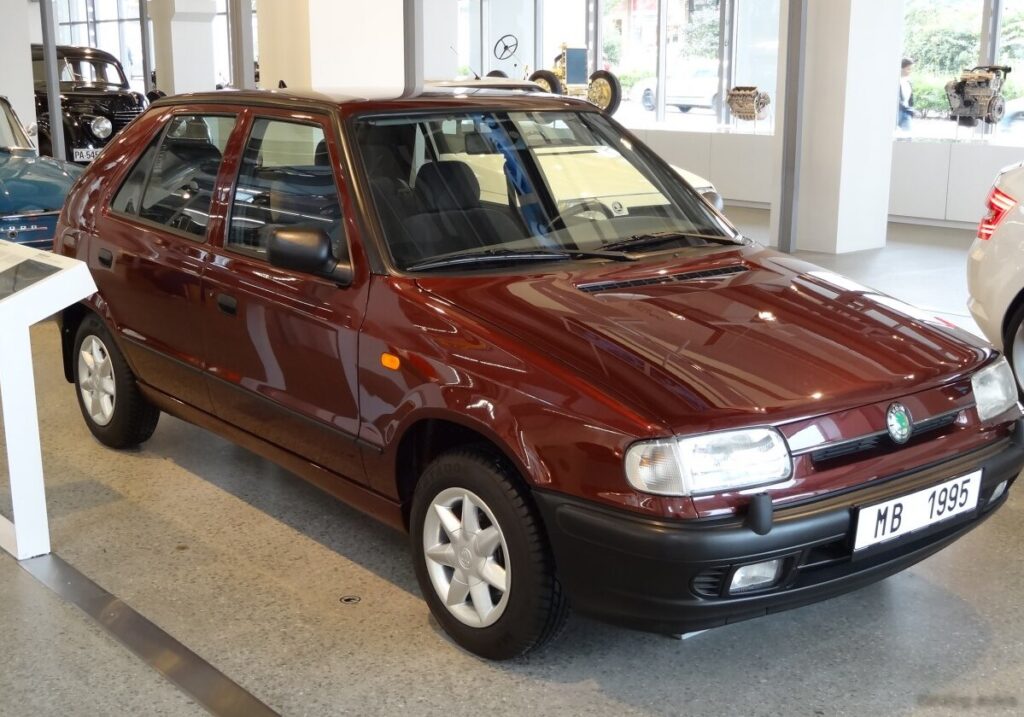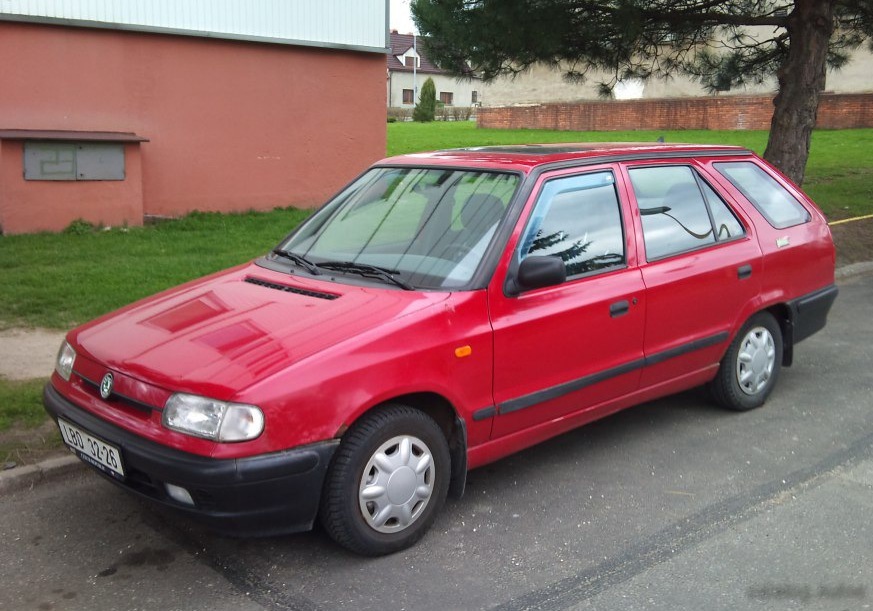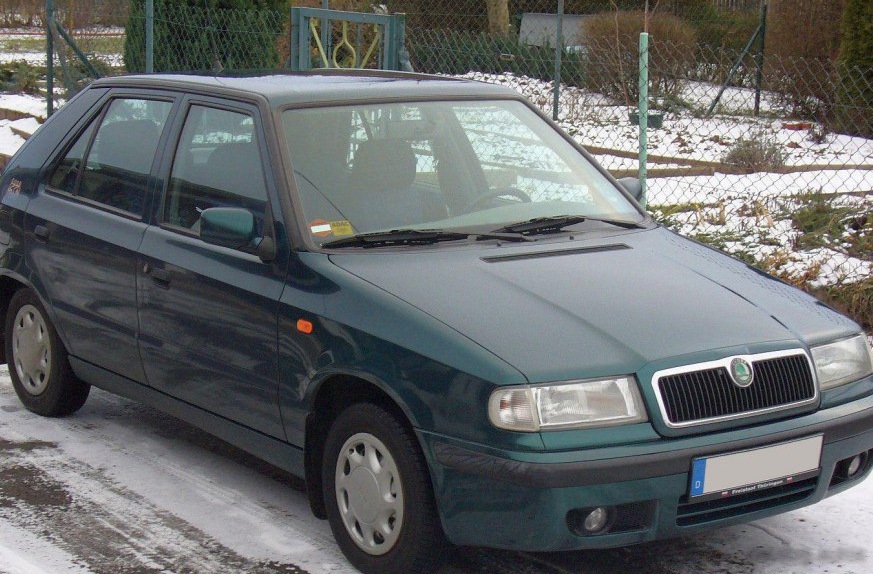
The Skoda Felicia II 1.6, producing 75 horsepower, was a mainstay of Skoda’s lineup from January 1998 to August 2001. Positioned as a practical and affordable option within the Felicia II range, it served as a step up from the smaller-engined variants while remaining more accessible than the more powerful, and often diesel-powered, models. Built on the Felicia II platform (a heavily revised version of the original Favorit), this variant aimed to provide a balance of economy, usability, and reasonable performance for the European market. It represented a significant step forward for Skoda, showcasing improved build quality and design compared to its predecessors, and played a key role in the brand’s growing acceptance under Volkswagen Group ownership.
Technical Specifications
| Brand | Skoda |
| Model | Felicia |
| Generation | Felicia II |
| Type (Engine) | 1.6 (75 Hp) |
| Start of production | January, 1998 |
| End of production | August, 2001 |
| Powertrain Architecture | Internal Combustion engine |
| Body type | Hatchback |
| Seats | 5 |
| Doors | 5 |
| Fuel consumption (urban) | 9.5 l/100 km (24.8 US mpg) |
| Fuel consumption (extra urban) | 5.4 l/100 km (43.6 US mpg) |
| Fuel consumption (combined) | 8.8 l/100 km (26.7 US mpg) |
| Fuel Type | Petrol (Gasoline) |
| Acceleration 0 – 100 km/h | 12 sec |
| Acceleration 0 – 62 mph | 12 sec |
| Acceleration 0 – 60 mph | 11.4 sec |
| Maximum speed | 170 km/h (105.63 mph) |
| Weight-to-power ratio | 12.9 kg/Hp |
| Weight-to-torque ratio | 7.1 kg/Nm |
| Power | 75 Hp @ 4500 rpm |
| Torque | 135 Nm @ 3500 rpm (99.57 lb.-ft. @ 3500 rpm) |
| Engine layout | Front, Transverse |
| Engine Model/Code | AEE |
| Engine displacement | 1598 cm3 (97.52 cu. in.) |
| Number of cylinders | 4 |
| Engine configuration | Inline |
| Cylinder Bore | 76.5 mm (3.01 in.) |
| Piston Stroke | 86.9 mm (3.42 in.) |
| Compression ratio | 9.8:1 |
| Number of valves per cylinder | 2 |
| Fuel injection system | Multi-port manifold injection |
| Engine aspiration | Naturally aspirated engine |
| Valvetrain | OHC |
| Engine oil capacity | 3.5 l (3.7 US qt | 3.08 UK qt) |
| Coolant capacity | 6 l (6.34 US qt | 5.28 UK qt) |
| Kerb Weight | 965 kg (2127.46 lbs.) |
| Max. weight | 1450 kg (3196.7 lbs.) |
| Max load | 485 kg (1069.24 lbs.) |
| Trunk (boot) space – minimum | 272 l (9.61 cu. ft.) |
| Trunk (boot) space – maximum | 967 l (34.15 cu. ft.) |
| Fuel tank capacity | 42 l (11.1 US gal | 9.24 UK gal) |
| Length | 3883 mm (152.87 in.) |
| Width | 1635 mm (64.37 in.) |
| Height | 1415 mm (55.71 in.) |
| Wheelbase | 2450 mm (96.46 in.) |
| Front track | 1420 mm (55.91 in.) |
| Rear track | 1380 mm (54.33 in.) |
| Drivetrain Architecture | Front wheel drive |
| Number of gears | 5 gears, manual transmission |
Powertrain & Engine Architecture
The heart of the Felicia II 1.6 was the AEE engine, a 1.6-liter inline four-cylinder petrol engine. This engine was a relatively simple design, utilizing a single overhead camshaft (OHC) and multi-port fuel injection. The AEE engine was known for its robustness and relative ease of maintenance. It wasn’t a particularly high-tech engine, but it was reliable. The 75 horsepower output was achieved at 4500 rpm, while peak torque of 135 Nm (99.57 lb-ft) arrived at 3500 rpm. The engine featured a compression ratio of 9.8:1. The five-speed manual transmission was the standard offering, providing a fairly conventional gear spread designed for everyday driving. While an automatic transmission was available, it was less common and often considered to detract from the car’s already modest performance.
Driving Characteristics
The 1.6-liter engine, paired with the five-speed manual gearbox, provided adequate, though not exhilarating, performance. Acceleration from 0 to 60 mph took around 11.4 seconds, and top speed was approximately 105.63 mph. The engine felt relatively responsive in the mid-range, making it suitable for typical urban and highway driving. The gear ratios were well-chosen for maximizing fuel economy and providing reasonable acceleration. Compared to the lower-powered 1.3-liter versions, the 1.6 offered a noticeable improvement in performance, particularly when carrying passengers or luggage. However, it lacked the punch of the more powerful engines available in the Felicia II range, such as the 1.9 TDI diesel. The automatic transmission, when equipped, further dulled the performance, making the car feel sluggish, especially during overtaking maneuvers.
Equipment & Trim Levels
The Felicia II 1.6 typically came with a reasonable level of standard equipment. This included central locking, power steering, and front electric windows. Interior upholstery was typically cloth, with a relatively simple dashboard layout. Optional extras included air conditioning, alloy wheels, and a radio/cassette player. Higher trim levels, such as the ‘LX’ variant, added features like upgraded upholstery, a sunroof, and more comprehensive trim details. The overall interior design was functional and practical, prioritizing usability over luxury.
Chassis & Braking
The Felicia II utilized a relatively simple chassis design. Front suspension consisted of coil springs, while the rear employed a coil spring setup. The front brakes were discs, providing adequate stopping power, while the rear brakes were drums. This configuration was typical for cars in this price range at the time. The steering was a hydraulic power steering system, offering a reasonable level of assistance. The suspension was tuned for comfort, providing a relatively smooth ride, although it could feel somewhat soft and wallowy when cornering. Stabilizer bars were fitted to improve handling, but the car was not designed for sporty driving.
Market Reception & Comparison
The Skoda Felicia II 1.6 was generally well-received by critics as a practical and affordable family car. It was praised for its spacious interior, good fuel economy, and reliable engine. However, it was also criticized for its somewhat dated design and lack of refinement compared to some of its competitors. Compared to other trims in the Felicia II lineup, the 1.6 offered a good balance of performance and economy. The 1.3-liter versions were cheaper to buy and run, but lacked sufficient power for many drivers. The diesel models offered better fuel economy but were more expensive and could be noisier. The 1.6 represented a sweet spot for many buyers seeking a versatile and reliable family car.
Legacy
The Skoda Felicia II 1.6 has proven to be a remarkably durable and reliable car. Many examples are still on the road today, testament to the robustness of the AEE engine and the overall build quality of the vehicle. In the used car market, it remains an affordable and practical option for those seeking a simple and dependable vehicle. While it may not offer the sophistication of more modern cars, its simplicity and reliability make it a popular choice for budget-conscious buyers and those looking for a classic European hatchback. Parts availability remains good, and maintenance costs are relatively low, further contributing to its enduring appeal.