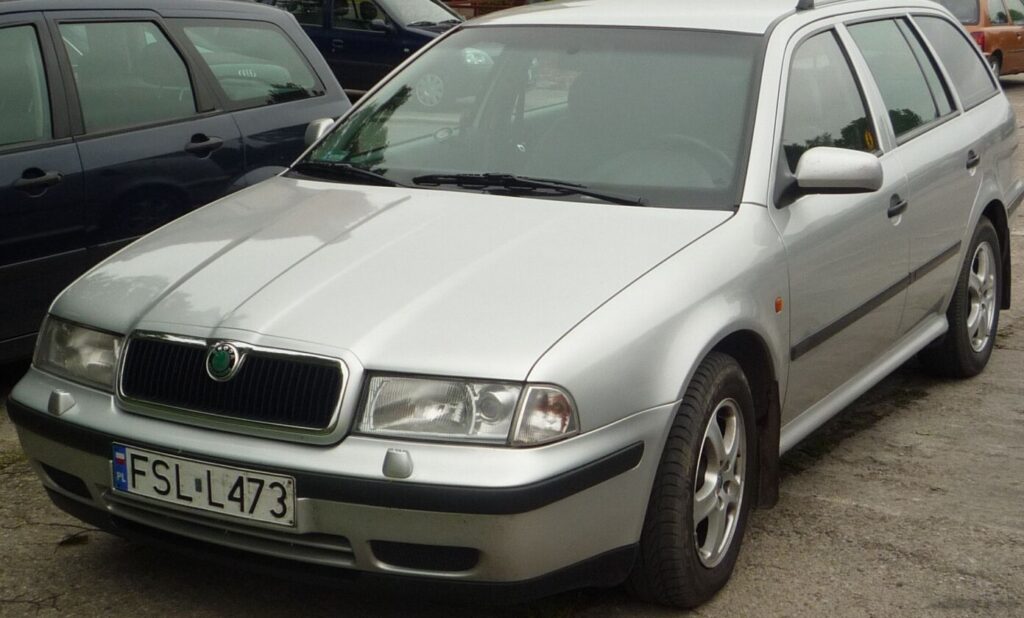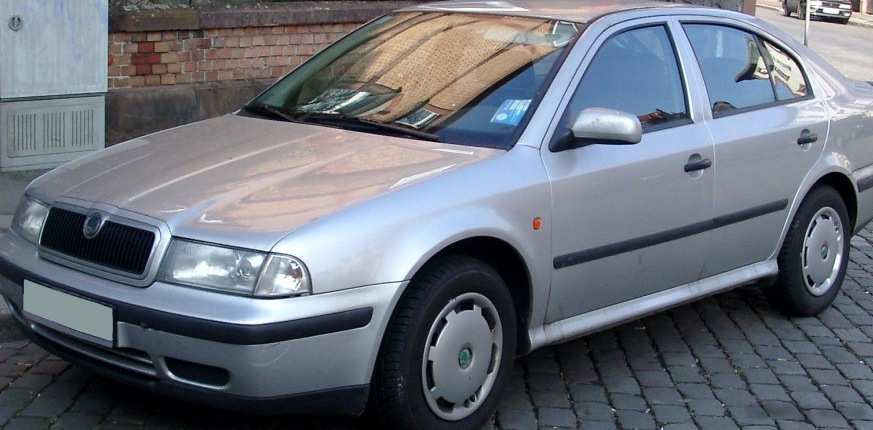
The Skoda Octavia I Tour 1.6, producing 75 horsepower, was an entry-level variant of the first-generation Octavia, produced between July 1996 and July 2000. This model represented Skoda’s initial foray into a modern, competitive compact car segment following its acquisition by the Volkswagen Group. Built on the Volkswagen Group’s A4 (1HX0) platform – shared with the Volkswagen Golf, Audi A3, and SEAT Leon – the Octavia aimed to offer practicality, affordability, and a level of refinement previously unseen in Skoda vehicles. The 1.6-liter engine and five-speed manual transmission combination positioned this Octavia as the most accessible option in the lineup, targeting budget-conscious buyers and those prioritizing fuel efficiency over outright performance.
The Octavia 1.6 utilized the AEE engine code, a 1.6-liter inline four-cylinder gasoline engine. This engine featured a naturally aspirated configuration with a single overhead camshaft (OHC) operating two valves per cylinder. Fuel delivery was managed by a multi-port manifold injection system, a common technology for the time, providing adequate fuel atomization for efficient combustion. The engine’s bore and stroke measured 76.5mm and 86.9mm respectively, resulting in a displacement of 1598cc (97.52 cubic inches). The compression ratio was set at 9.8:1. While not a technologically advanced engine, the AEE was known for its relative simplicity and durability. The engine was transversely mounted in the front of the vehicle, driving the front wheels.
In real-world driving, the 75 hp Octavia 1.6 offered modest performance. Acceleration from 0 to 62 mph (0-100 km/h) took approximately 15 seconds, and the car had a top speed of around 105.63 mph (170 km/h). The five-speed manual transmission was geared to prioritize fuel economy, meaning the engine often needed to be revved to extract maximum power. Compared to the more powerful 1.8-liter and 2.0-liter variants, or the diesel options like the 1.9 TDI, the 1.6 felt noticeably slower, particularly when fully loaded or tackling inclines. However, its lighter weight compared to some of its siblings helped mitigate the power deficit to some extent. The gear ratios were fairly standard for the era, with first gear providing good acceleration from a standstill, and fifth gear optimized for highway cruising.
The 1.6-liter Octavia typically came with a fairly basic level of equipment, reflecting its entry-level positioning. Standard features generally included power steering, central locking, and a basic audio system. Interior upholstery was typically cloth, and the dashboard featured a functional, if somewhat utilitarian, design. Optional extras included air conditioning, electric windows, and alloy wheels. Trim levels were often differentiated by the addition of these optional features, with higher trims offering more comfort and convenience items. The interior space was a key selling point, offering ample room for passengers and luggage, particularly given the Octavia’s hatchback body style.
The Octavia 1.6 employed a relatively simple chassis setup. Front suspension utilized coil springs, while the rear also featured coil springs. Front brakes were ventilated discs, providing adequate stopping power, while the rear brakes were drum brakes – a cost-saving measure common in this segment. The steering system was a hydraulic power steering rack and pinion, offering reasonable assistance at low speeds. Stabilizer bars were present, contributing to reduced body roll during cornering. The suspension was tuned for comfort rather than sporty handling, providing a compliant ride on most road surfaces.
Contemporary reviews of the Octavia 1.6 generally praised its practicality, spaciousness, and affordability. However, the engine’s lack of power was often cited as a drawback. Fuel economy was considered a strong point, with combined fuel consumption figures around 30.9 US mpg (37.2 UK mpg). Compared to the more expensive Octavia variants, the 1.6 offered a compelling value proposition for buyers who didn’t require high performance. Reliability was generally good, with the AEE engine proving to be durable and relatively trouble-free. However, the rear drum brakes were sometimes criticized for their limited stopping power compared to disc brakes on higher-spec models.
| Engine Model/Code | AEE |
| Engine displacement | 1598 cm3 (97.52 cu. in.) |
| Number of cylinders | 4, Inline |
| Power | 75 Hp @ 4500 rpm |
| Torque | 135 Nm @ 3500 rpm (99.57 lb.-ft. @ 3500 rpm) |
| Fuel Type | Petrol (Gasoline) |
| Fuel consumption (urban) | 10.8 l/100 km (21.8 US mpg, 26.2 UK mpg, 9.3 km/l) |
| Fuel consumption (extra urban) | 5.8 l/100 km (40.6 US mpg, 48.7 UK mpg, 17.2 km/l) |
| Fuel consumption (combined) | 7.6 l/100 km (30.9 US mpg, 37.2 UK mpg, 13.2 km/l) |
| Acceleration 0 – 100 km/h | 15 sec |
| Acceleration 0 – 62 mph | 15 sec |
| Maximum speed | 170 km/h (105.63 mph) |
| Kerb Weight | 1205 kg (2656.57 lbs.) |
| Max. weight | 1740 kg (3836.04 lbs.) |
| Trunk (boot) space (minimum) | 528 l (18.65 cu. ft.) |
| Trunk (boot) space (maximum) | 1330 l (46.97 cu. ft.) |
| Fuel tank capacity | 55 l (14.53 US gal, 12.1 UK gal) |
| Length | 4511 mm (177.6 in.) |
| Width | 1730 mm (68.11 in.) |
| Height | 1430 mm (56.3 in.) |
Today, the Skoda Octavia I Tour 1.6 is a relatively affordable used car option. The AEE engine, while not particularly powerful, has proven to be reasonably reliable, and parts availability is generally good. However, potential buyers should be aware of the age-related issues common to all vehicles of this era, such as corrosion and wear and tear on suspension components. The 1.6-liter Octavia remains a practical and economical choice for those seeking a no-frills, spacious hatchback, and its simplicity can make it a relatively easy car to maintain for those with basic mechanical skills. It represents a significant step forward in Skoda’s history, demonstrating the brand’s ability to produce a competitive vehicle in the mainstream European market.