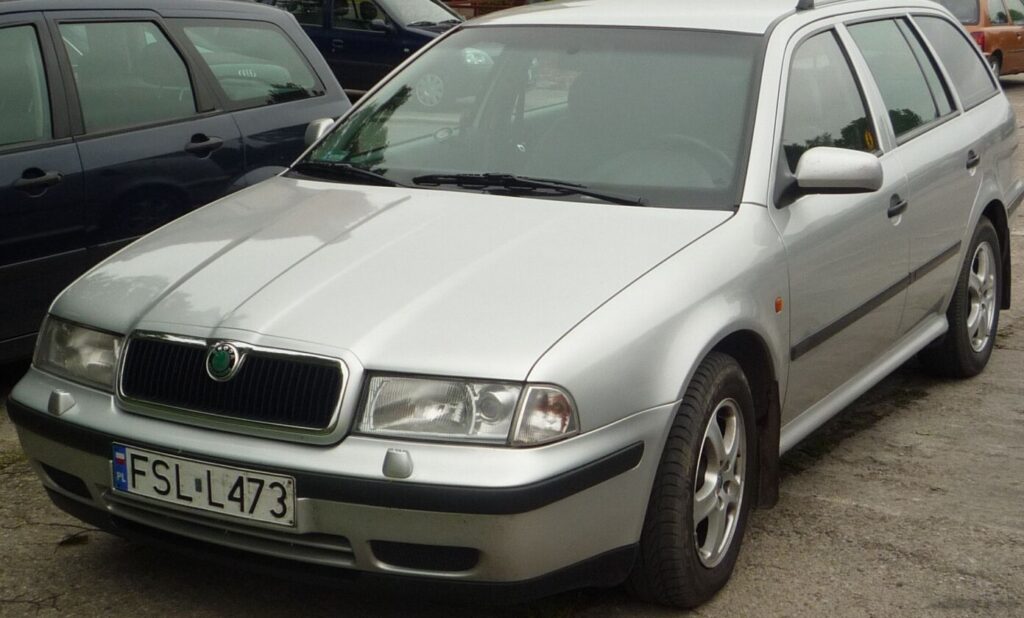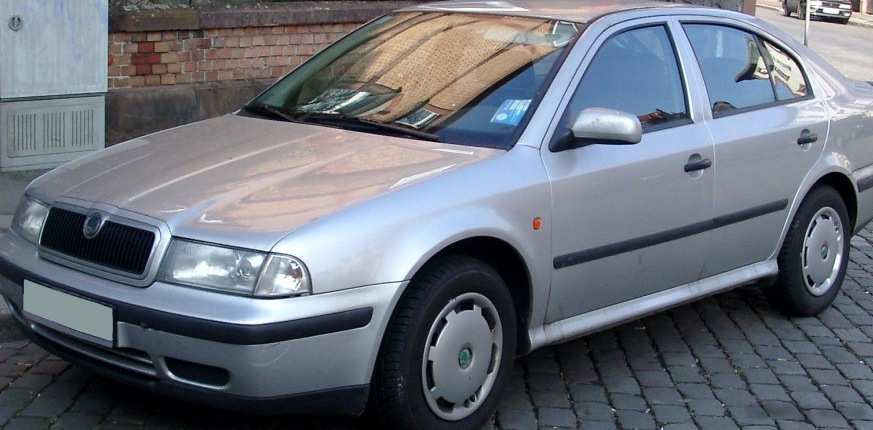
The Skoda Octavia I Tour 1.9 TDI (110 hp) represents a significant variant within the first generation Octavia (1996-2004), known internally as the 1HX0/A3 platform. Introduced in August 1997 and continuing in production through July 2000, this model served as a popular choice for buyers seeking a fuel-efficient and practical compact car. It occupied a middle ground in the Octavia lineup, offering a balance between affordability and performance, positioned below the more powerful petrol engines and above the base-level trims. The 1.9 TDI was particularly favored in European markets for its blend of economy and usable power, making it a common sight on both city streets and long-distance highways.
1.9 TDI (110 hp) Powertrain & Engine Architecture
At the heart of the Octavia 1.9 TDI (110 hp) lies the Volkswagen Group’s 1.9-liter inline-four cylinder diesel engine. This engine was available in two primary iterations during this period, designated by engine codes AFN and ASV. Both codes share a fundamentally similar architecture, but the ASV version, introduced later, featured minor refinements to improve emissions and fuel efficiency. The engine utilizes direct fuel injection, a technology that significantly improved combustion efficiency and reduced emissions compared to older indirect injection systems. Bosch supplied the fuel injection system, employing a distributor-type pump with electronic control.
The engine features an overhead camshaft (OHC) valvetrain with two valves per cylinder. A turbocharger with an intercooler is integral to the engine’s design, boosting power output and providing increased torque at lower engine speeds. The turbocharger is a variable geometry turbo (VGT), allowing for optimized boost pressure across a wider range of engine RPMs. The engine’s displacement is 1896 cc (115.7 cubic inches), and it produces a maximum power output of 110 horsepower at 4150 rpm and 235 Nm (173.33 lb-ft) of torque at 1900 rpm. The compression ratio is relatively high at 19:1, typical for a diesel engine. The engine oil capacity is 4.5 liters (4.76 US quarts), and the recommended oil specification adhered to Volkswagen standards for the period.
The 1.9 TDI (110 hp) was primarily paired with a five-speed manual transmission. While an automatic transmission was offered as an option, it was less common and generally considered to detract from the engine’s efficiency and responsiveness. The manual transmission provided precise gear changes and allowed drivers to fully utilize the engine’s torque band.
Transmission Details
The five-speed manual transmission used in the Octavia 1.9 TDI was a robust unit designed to handle the engine’s torque output. Gear ratios were optimized for both fuel economy and acceleration. First gear was relatively short, providing good off-the-line acceleration, while fifth gear was tall, designed for efficient cruising at highway speeds. The automatic transmission, when equipped, was a four-speed unit. It offered convenience but at the expense of some fuel economy and performance. The automatic’s shift points were often criticized for being less responsive than the manual transmission.
Driving Characteristics
The Octavia 1.9 TDI (110 hp) offered a distinctly different driving experience compared to its petrol-powered siblings. While not a particularly fast car, it provided ample torque for everyday driving situations. The engine’s peak torque of 235 Nm (173.33 lb-ft) was available from a low 1900 rpm, resulting in strong acceleration in the mid-range. This made overtaking and merging onto highways relatively effortless. Acceleration from 0 to 100 km/h (0-62 mph) took approximately 11 seconds, and the top speed was around 192 km/h (119.3 mph).
Compared to the more powerful 1.8L petrol versions, the 1.9 TDI felt less eager to rev, but it offered significantly better fuel economy. The manual transmission allowed for precise control over gear selection, maximizing efficiency and responsiveness. The automatic transmission, while convenient, resulted in a noticeable decrease in performance and fuel economy. The suspension provided a comfortable ride, absorbing bumps and imperfections in the road surface effectively. However, the Octavia was not a particularly sporty car, and its handling was geared more towards comfort and stability than outright agility.
Equipment & Trim Levels
The Octavia 1.9 TDI (110 hp) was typically offered in a mid-range trim level. Standard equipment included power steering, central locking, electric front windows, and an adjustable steering column. Interior upholstery was typically cloth, with a durable and practical design. The dashboard layout was functional and straightforward, with clearly labeled controls. Optional extras included air conditioning, alloy wheels, a radio/cassette player, and upgraded interior trim. Higher trim levels added features such as a sunroof, leather upholstery, and more advanced audio systems.
Chassis & Braking
The Octavia 1.9 TDI (110 hp) utilized a MacPherson strut front suspension and a coil spring rear suspension. This setup provided a good balance between ride comfort and handling. The front brakes were ventilated discs, providing ample stopping power, while the rear brakes were typically solid discs. Anti-lock Braking System (ABS) was standard equipment, enhancing safety and stability during braking. The steering system was a rack and pinion type with hydraulic power assistance, providing precise and responsive steering feel. The standard tire size was 195/65 R15, mounted on 6J x 15 inch steel or alloy wheels.
Market Reception & Comparison
The Skoda Octavia 1.9 TDI (110 hp) was generally well-received by automotive critics. It was praised for its fuel efficiency, practicality, and comfortable ride. However, some critics noted that the engine was somewhat noisy and lacked the refinement of some of its competitors. Compared to other trims in the Octavia lineup, the 1.9 TDI offered the best fuel economy by a significant margin. It was also more affordable than the higher-powered petrol versions. In terms of reliability, the 1.9 TDI engine proved to be exceptionally durable, with many examples exceeding 200,000 miles with proper maintenance. However, like all diesel engines, it was susceptible to issues with the fuel injection system and turbocharger if not properly maintained.
Technical Specifications
| Brand | Skoda |
| Model | Octavia I Tour |
| Type (Engine) | 1.9 TDI (110 Hp) |
| Start of production | August, 1997 |
| End of production | July, 2000 |
| Fuel consumption (urban) | 6.6 l/100 km (35.6 US mpg) |
| Fuel consumption (extra urban) | 4.1 l/100 km (57.4 US mpg) |
| Fuel consumption (combined) | 5 l/100 km (47 US mpg) |
| Fuel Type | Diesel |
| Acceleration 0 – 100 km/h | 11 sec |
| Acceleration 0 – 62 mph | 11 sec |
| Acceleration 0 – 60 mph | 10.5 sec |
| Maximum speed | 192 km/h (119.3 mph) |
| Kerb Weight | 1300 kg (2866.01 lbs) |
| Max. weight | 1845 kg (4067.53 lbs) |
| Engine displacement | 1896 cm3 (115.7 cu. in.) |
| Power | 110 Hp @ 4150 rpm |
| Torque | 235 Nm @ 1900 rpm (173.33 lb.-ft.) |
| Engine Code | AFN, ASV |
| Number of cylinders | 4 |
| Fuel injection system | Direct injection |
| Engine aspiration | Turbocharger, Intercooler |
Legacy
The Skoda Octavia 1.9 TDI (110 hp) remains a popular choice among used car buyers today, particularly those seeking a reliable and fuel-efficient vehicle. The 1.9 TDI engine is renowned for its durability and longevity, and well-maintained examples can still provide years of reliable service. However, potential buyers should be aware of the potential for issues with the fuel injection system and turbocharger, and a thorough inspection is recommended before purchase. The Octavia 1.9 TDI (110 hp) cemented Skoda’s reputation as a manufacturer of practical, affordable, and reliable cars, and it played a significant role in the brand’s resurgence in the European market.