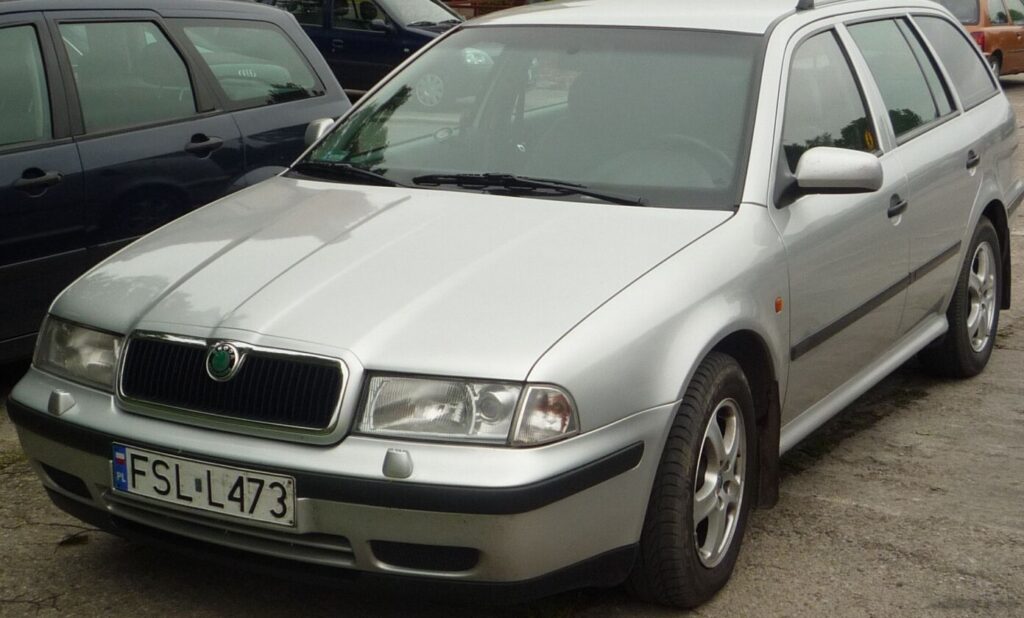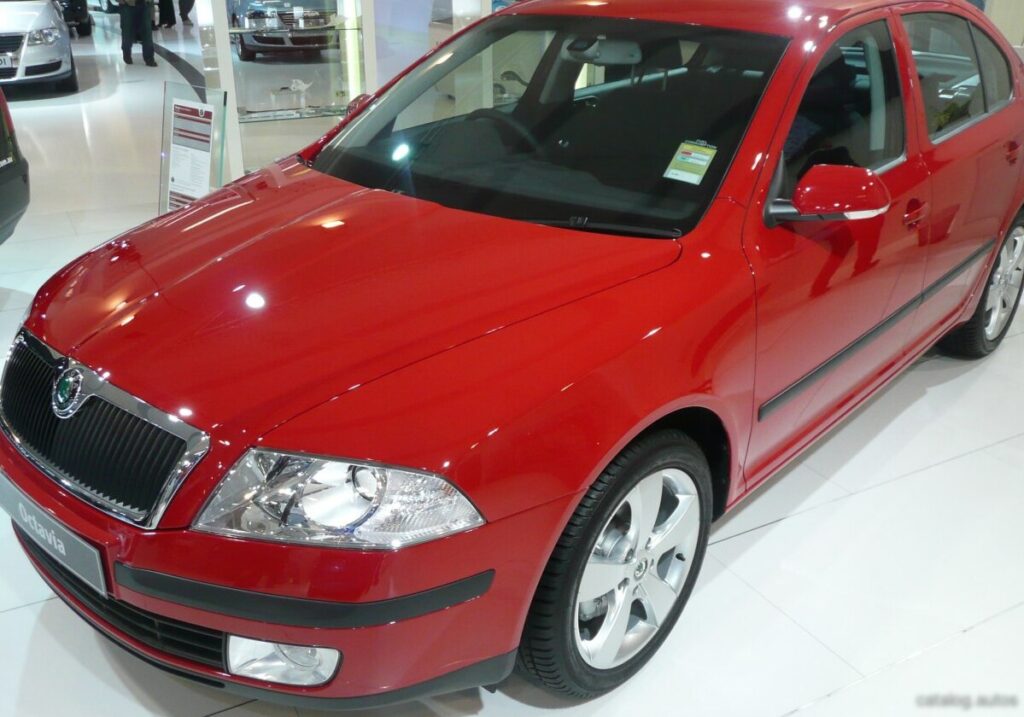
The Skoda Octavia II 1.8 TSI (160 hp) was a variant of the second-generation Octavia, produced between 2007 and 2008. Positioned as a mid-range offering within the Octavia II lineup, it bridged the gap between the more economical naturally aspirated engines and the higher-performance variants like the RS. This model utilized a turbocharged direct injection engine paired with a six-speed manual transmission, offering a balance of performance and fuel efficiency. It was built on the Volkswagen Group’s A5 (1HX0) platform, shared with models like the Volkswagen Golf Mk5 and Audi A3.
Powertrain & Engine Architecture
The heart of the Octavia II 1.8 TSI was the 1.8-liter inline-four cylinder engine, specifically utilizing the BYJ or BZB engine codes. This engine represented a significant advancement in Skoda’s powertrain offerings, incorporating direct fuel injection (FSI) and turbocharging. The direct injection system, a key feature, injected fuel directly into the combustion chamber, improving combustion efficiency and power output. The turbocharger, coupled with an intercooler, forced more air into the engine, further enhancing performance.
The engine featured a double overhead camshaft (DOHC) valvetrain with four valves per cylinder, optimizing gas flow for increased power. The compression ratio was set at 9.6:1. The 1.8 TSI engine produced 160 horsepower at 5000-6200 rpm and 250 Nm (184.39 lb-ft) of torque between 1500-4200 rpm. This broad torque curve provided good responsiveness across a wide range of engine speeds. The engine’s displacement was 1798 cm³ (109.72 cu. in.), with a bore of 82.5 mm (3.25 in.) and a stroke of 84.2 mm (3.31 in.). Standard engine oil capacity was 4.6 liters (4.86 US qt / 4.05 UK qt), and the coolant capacity was 8.6 liters (9.09 US qt / 7.57 UK qt).
The engine was mated to a six-speed manual transmission, providing precise gear changes and contributing to the vehicle’s overall efficiency. The transmission’s gear ratios were tuned to maximize the engine’s torque output and provide a balance between acceleration and fuel economy.
Fuel Injection and Turbocharging
The 1.8 TSI engine employed a Bosch Motronic MED17.5.1 engine control unit (ECU) to manage fuel injection and ignition timing. The direct injection system utilized high-pressure fuel rails and sophisticated injectors to deliver precise amounts of fuel directly into the cylinders. The turbocharger was a wastegate turbocharger, regulating boost pressure to optimize performance and prevent engine damage. The intercooler, positioned between the turbocharger and the intake manifold, cooled the compressed air, increasing its density and further enhancing power output.
Driving Characteristics
The Octavia II 1.8 TSI offered a noticeable step up in performance compared to the lower-powered engine options. Acceleration from 0 to 100 km/h (0-62 mph) took approximately 8.1 seconds, and 0-60 mph was achieved in around 7.7 seconds. The maximum speed was rated at 223 km/h (138.57 mph). The turbocharger provided a noticeable boost in power during acceleration, making overtaking maneuvers easier and more confident.
Compared to the naturally aspirated 1.6-liter engine, the 1.8 TSI offered significantly more torque, resulting in stronger acceleration and improved drivability. While not as sporty as the Octavia RS, the 1.8 TSI provided a more engaging driving experience than the base models. The six-speed manual transmission allowed drivers to maintain optimal engine speed for efficient cruising or spirited driving. The gear ratios were well-matched to the engine’s torque curve, providing good acceleration in all gears.
Equipment & Trim Levels
The Octavia II 1.8 TSI typically came equipped with a reasonable level of standard features. These generally included air conditioning, power windows, power mirrors, central locking, an audio system with CD player, and alloy wheels. Safety features included ABS (Anti-lock Braking System), airbags for the driver and front passenger, and seatbelt pretensioners.
Optional extras varied depending on the market and specific package selected. Common options included a sunroof, rear parking sensors, a more advanced audio system, climate control, heated seats, and fog lights. Interior upholstery was typically cloth, but leather upholstery was available as an option. Dashboard configuration was generally consistent across the Octavia II range, with a functional and straightforward design. Trim levels could vary, with higher trims offering additional features and cosmetic enhancements.
Chassis & Braking
The Octavia II 1.8 TSI utilized an independent suspension system. The front suspension was a McPherson strut design with coil springs and an anti-roll bar, providing good handling and ride comfort. The rear suspension was an independent multi-link setup, also with a stabilizer bar, further enhancing stability and ride quality.
Braking duties were handled by ventilated discs on the front wheels and solid discs on the rear wheels. The ABS system helped to prevent wheel lockup during hard braking, improving stability and control. Steering was rack and pinion with electric power steering, providing precise and responsive steering feel. Tire sizes varied depending on the trim level, with options ranging from 195/65 R15 to 225/45 R17. The curb weight of the vehicle was approximately 1325 kg (2921.12 lbs).
Market Reception & Comparison
The Octavia II 1.8 TSI was generally well-received by automotive critics. It was praised for its strong performance, good fuel economy, and spacious interior. The combination of turbocharging and direct injection provided a noticeable improvement in power and responsiveness compared to the naturally aspirated engines. Fuel consumption figures were rated at 7.4 l/100 km (31.8 US mpg / 38.2 UK mpg) on the combined cycle, and CO2 emissions were 176 g/km.
Compared to the 1.6-liter Octavia, the 1.8 TSI offered a significant performance upgrade, but at a slightly higher price point. Compared to the Octavia RS, the 1.8 TSI offered a more balanced driving experience, prioritizing fuel efficiency and comfort over outright performance. The 1.8 TSI also offered a more refined driving experience than some of its competitors in the compact family car segment.
Technical Specifications
| Brand | Skoda |
| Model | Octavia |
| Generation | Octavia II |
| Type (Engine) | 1.8 TSI (160 Hp) |
| Start of production | 2007 |
| End of production | 2008 |
| Engine Code | BYJ, BZB |
| Engine Displacement | 1798 cm³ (109.72 cu. in.) |
| Number of Cylinders | 4 (Inline) |
| Power | 160 Hp @ 5000-6200 rpm |
| Torque | 250 Nm (184.39 lb.-ft.) @ 1500-4200 rpm |
| Fuel Consumption (Urban) | 10.1 l/100 km (23.3 US mpg / 28 UK mpg) |
| Fuel Consumption (Extra Urban) | 5.9 l/100 km (39.9 US mpg / 47.9 UK mpg) |
| Fuel Consumption (Combined) | 7.4 l/100 km (31.8 US mpg / 38.2 UK mpg) |
| CO2 Emissions | 176 g/km |
| Acceleration 0-100 km/h | 8.1 sec |
| Maximum Speed | 223 km/h (138.57 mph) |
| Kerb Weight | 1325 kg (2921.12 lbs) |
| Fuel Tank Capacity | 55 l (14.53 US gal / 12.1 UK gal) |
| Transmission | 6-speed Manual |
Legacy
The 1.8 TSI engine proved to be a reliable and durable powertrain when properly maintained. While some early examples experienced issues with carbon buildup on the intake valves (a common issue with direct injection engines), these could often be addressed with regular cleaning or preventative maintenance. The Octavia II 1.8 TSI remains a popular choice in the used car market, offering a good balance of performance, fuel efficiency, and practicality. Its relatively simple mechanical design and readily available parts contribute to its affordability and ease of maintenance. The engine’s robust construction and well-engineered design have ensured its longevity, making it a dependable option for buyers seeking a reliable and economical family car.