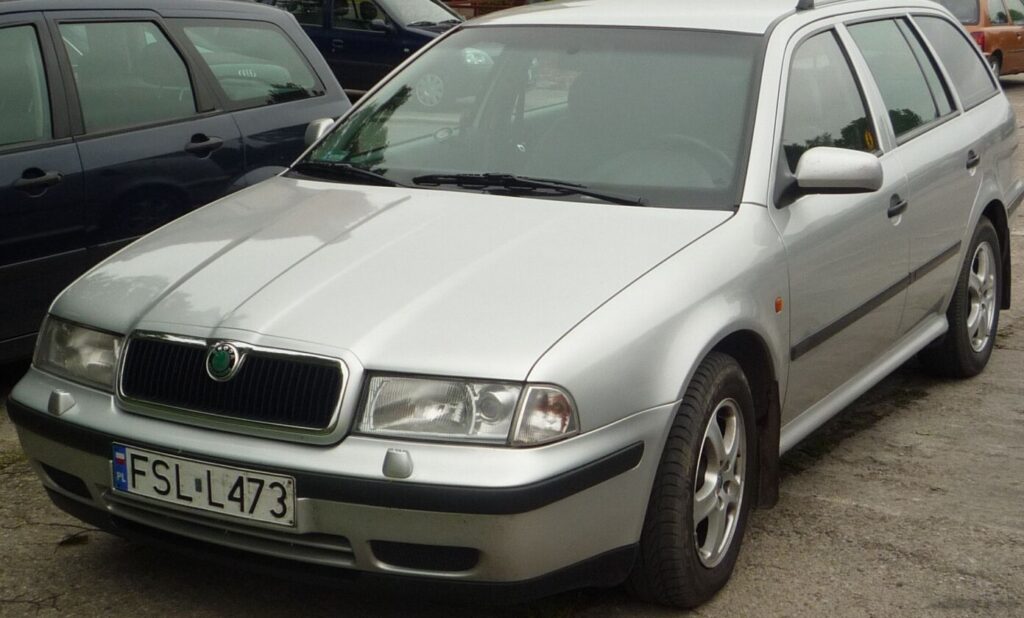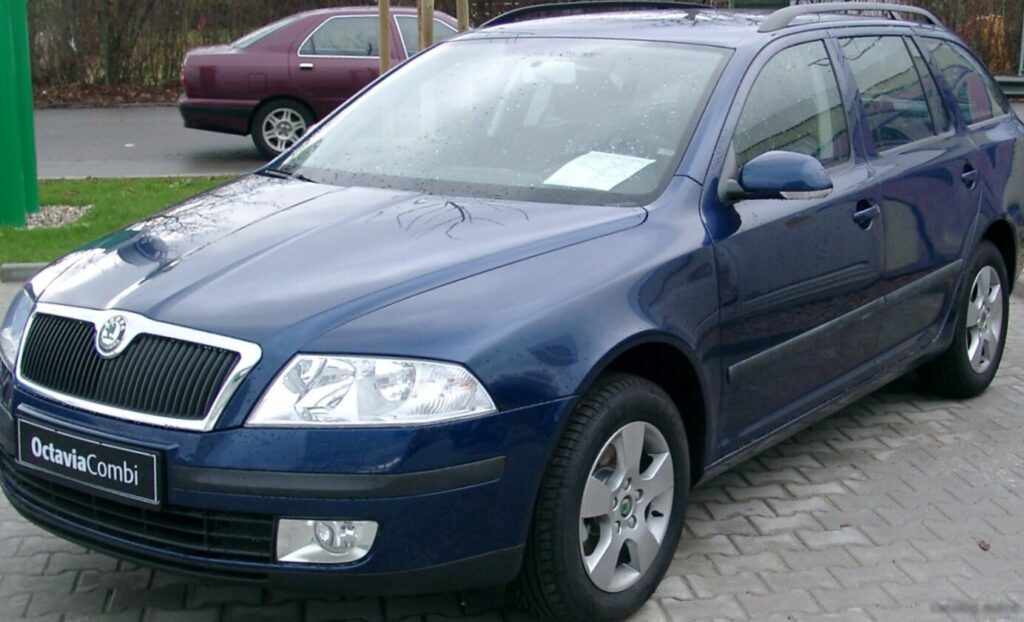
The Skoda Octavia II Combi 1.9 TDI 4×4, produced between February 2004 and October 2008, represents a practical and capable variant within the second generation (Octavia II) of Skoda’s popular liftback and wagon models. Built on the Volkswagen Group’s A5 (1HX0) platform – shared with the Volkswagen Golf Mk5, Audi A3, and other vehicles – the Octavia Combi offered a compelling blend of space, fuel efficiency, and all-weather capability. This particular 1.9 TDI 4×4 model occupied a mid-range position in the Octavia lineup, appealing to buyers seeking a versatile family vehicle with enhanced traction without the higher cost of more powerful engine options or premium trim levels. It was positioned below the more potent 2.0 TDI variants and above the entry-level 1.6 MPI gasoline engine.
Powertrain & Engine Architecture
At the heart of the Octavia II Combi 1.9 TDI 4×4 lies the Volkswagen Group’s EA188 series 1.9-liter inline-four cylinder diesel engine. Specifically, engine codes BJB and BXE were commonly found in this application. This engine is a turbocharged diesel, utilizing a variable geometry turbocharger (VGT) and an intercooler to enhance performance and efficiency. The engine employs pump-nozzle (unit injector) technology for direct fuel injection, a system known for its precise fuel delivery and contribution to the engine’s characteristic sound. The engine displaces 1,896 cubic centimeters (115.7 cubic inches) and features a relatively high compression ratio of 19:1. It has two valves per cylinder, operated by a single overhead camshaft.
The 1.9 TDI engine produces 105 horsepower (hp) at 4,000 rpm and 250 Newton-meters (184.39 lb-ft) of torque at 1,900 rpm. This torque output, available at relatively low engine speeds, is a key characteristic of the engine and contributes to its usability in everyday driving. The engine is transversely mounted in the front of the vehicle. The 4×4 system is a viscous coupling-based all-wheel drive system, providing automatic distribution of torque between the front and rear axles as needed. The transmission is a five-speed manual gearbox, chosen for its durability and efficiency. No automatic transmission was offered with this specific engine and drivetrain combination.
Fuel Injection and Turbocharging
The pump-nozzle injection system, while effective, is known to be sensitive to fuel quality. Using substandard diesel fuel can lead to injector clogging and reduced engine performance. The turbocharger, coupled with the intercooler, significantly boosts the engine’s power output. The variable geometry turbine allows for optimized boost pressure across a wider range of engine speeds, improving both low-end torque and high-end power.
Driving Characteristics
The Octavia II Combi 1.9 TDI 4×4 delivers a driving experience focused on practicality and efficiency rather than outright performance. Acceleration from 0 to 100 km/h (0-62 mph) takes approximately 12.9 seconds, and 0 to 60 mph is achieved in around 12.3 seconds. The top speed is rated at 181 km/h (112.47 mph). While not particularly quick, the engine’s strong low-end torque makes it well-suited for everyday driving, providing ample power for overtaking and navigating hills. The all-wheel drive system enhances traction, particularly on slippery surfaces, providing a secure and confident driving experience in inclement weather. The five-speed manual transmission offers a reasonably precise shift feel, although the gear ratios are geared towards fuel economy rather than sporty acceleration. Compared to the more powerful 2.0 TDI variants, the 1.9 TDI feels noticeably less responsive, but it offers a more economical and refined driving experience.
Equipment & Trim Levels
The Octavia II Combi 1.9 TDI 4×4 typically came equipped with a reasonable level of standard features. These included power windows, central locking, power-adjustable mirrors, and an air conditioning system. Interior upholstery was typically cloth, with a durable and practical design. The dashboard layout was functional and straightforward, with easy-to-read instrumentation. Optional extras included alloy wheels, a CD stereo system, parking sensors, and a sunroof. Higher trim levels, such as the Elegance and Laurin & Klement, offered additional features like leather upholstery, automatic climate control, and upgraded audio systems. The 4×4 models often included features like off-road styling cues, such as protective underbody panels.
Chassis & Braking
The Octavia II Combi 1.9 TDI 4×4 utilizes a MacPherson strut front suspension and a multi-link rear suspension. This suspension setup provides a good balance between ride comfort and handling. The front brakes are ventilated discs, while the rear brakes are solid discs. Anti-lock Braking System (ABS) is standard. The steering is a rack and pinion system, providing precise and responsive steering feel. The vehicle is equipped with 205/60 R15 tires. The all-wheel drive system adds weight to the vehicle, resulting in a kerb weight of 1,460 kg (3,218.75 lbs). The weight distribution is relatively balanced, contributing to stable handling.
Market Reception & Comparison
The Octavia II Combi 1.9 TDI 4×4 was generally well-received by automotive critics. It was praised for its spacious interior, fuel efficiency, and all-weather capability. The 1.9 TDI engine was considered reliable and economical, although some critics noted its lack of outright power compared to the 2.0 TDI variants. Fuel economy figures are impressive, with urban consumption rated at 7.7 l/100 km (30.5 US mpg), extra-urban consumption at 4.9 l/100 km (48 US mpg), and combined consumption around 6.0 l/100 km (39.2 US mpg). Compared to the 2.0 TDI, the 1.9 TDI offered lower running costs but at the expense of performance. The 4×4 system added to the vehicle’s cost and weight, but it provided a significant advantage in terms of traction and stability.
Technical Specifications
| Brand | Skoda |
| Model | Octavia II Combi |
| Type | 1.9 TDI 4×4 |
| Start of Production | February 2004 |
| End of Production | October 2008 |
| Engine Displacement | 1,896 cm3 (115.7 cu. in.) |
| Engine Code | BJB, BXE |
| Number of Cylinders | 4, Inline |
| Fuel Type | Diesel |
| Power | 105 hp @ 4000 rpm |
| Torque | 250 Nm (184.39 lb-ft) @ 1900 rpm |
| Compression Ratio | 19:1 |
| Fuel Injection | Pump-Nozzle (Unit Injector) |
| Turbocharger | Variable Geometry Turbocharger (VGT) |
| Transmission | 5-speed Manual |
| Drive | All-Wheel Drive (4×4) |
| Kerb Weight | 1,460 kg (3,218.75 lbs) |
| Max Weight | 2,120 kg (4,673.8 lbs) |
| Fuel Tank Capacity | 55 l (14.53 US gal) |
| Trunk Space (min/max) | 580 l / 1620 l (20.48 cu. ft / 57.21 cu. ft) |
| Acceleration 0-100 km/h | 12.9 sec |
| Top Speed | 181 km/h (112.47 mph) |
Legacy
The Skoda Octavia II Combi 1.9 TDI 4×4 has proven to be a durable and reliable vehicle. The 1.9 TDI engine, while aging, is known for its longevity when properly maintained. Common issues include injector wear, turbocharger failure (particularly if not regularly serviced), and wear in the dual-mass flywheel. The all-wheel drive system is generally reliable, but the viscous coupling may require replacement after extended use. On the used car market, these Octavias are often sought after for their practicality, fuel efficiency, and affordability. They represent a good value for buyers seeking a spacious and capable estate car. However, potential buyers should be aware of the potential maintenance costs associated with the aging diesel engine and all-wheel drive system. Regular servicing and preventative maintenance are crucial to ensuring the long-term reliability of this vehicle.