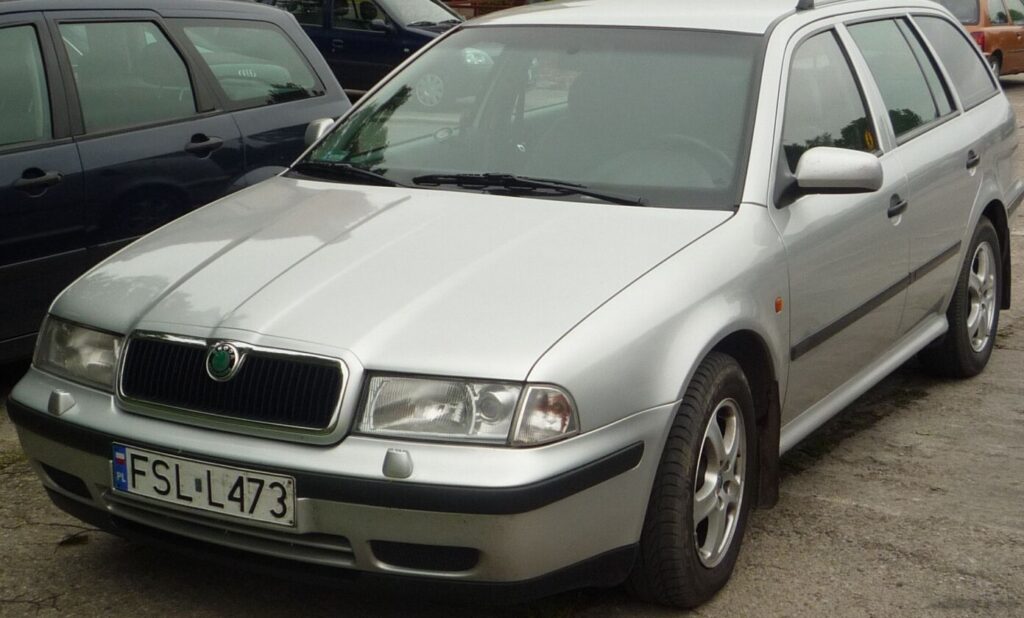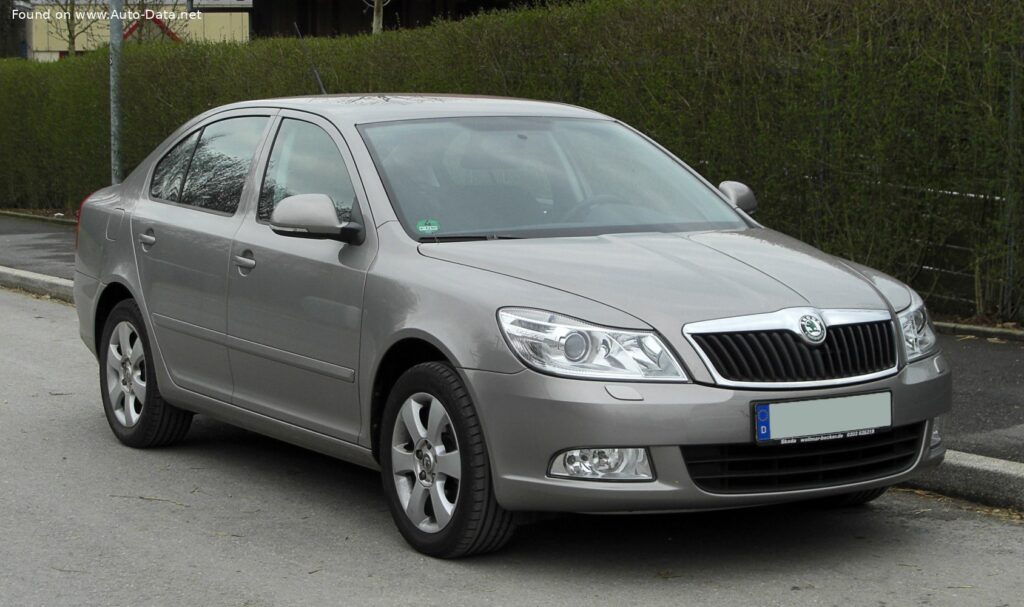
The Skoda Octavia II, specifically the facelifted version introduced in 2009, represented a significant evolution of Skoda’s popular compact car. Among the various engine and transmission options available, the 2.0 TDI PD 16V producing 140 horsepower was a prominent offering from 2009 through 2010. This variant occupied a mid-range position within the Octavia II lineup, appealing to buyers seeking a balance between fuel efficiency, performance, and practicality. It was built on the Volkswagen Group’s A5 (1HX0) platform, shared with models like the Volkswagen Golf Mk5 and Audi A3.
The 2.0 TDI PD 16V: A Detailed Overview
The 2.0 TDI PD 16V engine, designated with the engine code BKD, was a mainstay of the Volkswagen Group’s diesel offerings during this period. “TDI” stands for Turbocharged Direct Injection, and “PD” refers to the Pump-nozzle (Unit Injector) fuel injection system. This engine was a four-cylinder, inline configuration, utilizing a cast iron block and aluminum cylinder head. The ‘16V’ designation indicates the engine features four valves per cylinder – two intake and two exhaust – enhancing volumetric efficiency and contributing to improved power output.
Powertrain & Engine Architecture
The BKD engine’s pump-nozzle injection system was a key characteristic. Unlike common rail systems, pump-nozzle technology utilized a high-pressure pump for each cylinder, directly injecting fuel into the combustion chamber. This system allowed for precise fuel metering and multiple injection events per combustion cycle, optimizing combustion efficiency and reducing emissions. The engine also featured a turbocharger with an intercooler, boosting power and torque. The turbocharger provided increased air intake to the engine, while the intercooler cooled the compressed air, further enhancing performance. The engine’s displacement was 1968 cc (120.09 cubic inches), with a bore of 81 mm (3.19 inches) and a stroke of 95.5 mm (3.76 inches). The compression ratio was relatively high at 18.5:1, typical for diesel engines. The valvetrain employed a Double Overhead Camshaft (DOHC) design, ensuring precise valve timing and control.
Driving Characteristics
The 2.0 TDI PD 16V in the Octavia II offered a noticeable step up in performance compared to the lower-powered 1.6-liter gasoline engines available in the range. While not as sporty as the petrol variants, it provided ample torque for everyday driving and comfortable highway cruising. The engine produced 140 hp at 4000 rpm and a substantial 320 Nm (236.02 lb-ft) of torque between 1750 and 2500 rpm. This broad torque curve meant strong acceleration in most driving situations, without the need for frequent downshifting. Acceleration from 0 to 100 km/h (0-62 mph) took approximately 9.6 seconds, and the top speed was rated at 208 km/h (129.25 mph). The engine felt responsive and capable, making it well-suited for long distances and carrying passengers or cargo. Compared to the manual transmission versions, the automatic transmission, while offering convenience, did slightly diminish the feeling of direct control and responsiveness. The automatic transmission also impacted fuel economy, though the difference was not substantial.
Equipment & Trim Levels
The 2.0 TDI PD 16V was typically offered in higher trim levels of the Octavia II facelift, such as Ambiente, Elegance, and Style. Standard equipment generally included air conditioning, power windows, central locking, an audio system, and alloy wheels. Elegance trims added features like climate control, rear parking sensors, and upgraded interior trim. The Style trim offered the most luxurious appointments, including leather upholstery, a premium audio system, and additional chrome accents. Optional extras included a sunroof, navigation system, and various driver assistance systems. Interior upholstery was typically cloth in the lower trims, with leather options available on higher-spec models. The dashboard layout was functional and well-designed, with clear instrumentation and logically placed controls.
Chassis & Braking
The Octavia II’s chassis was tuned to provide a comfortable ride while maintaining reasonable handling characteristics. The front suspension utilized an independent McPherson strut setup with coil springs and an anti-roll bar. The rear suspension employed an independent multi-link spring suspension, also with a stabilizer bar. This configuration provided a good balance between ride comfort and handling precision. Braking systems varied slightly depending on the trim level. Most 2.0 TDI models were equipped with ventilated front disc brakes and solid rear disc brakes. Anti-lock Braking System (ABS) was standard. The steering system was a rack and pinion type with electric power steering, providing a light and responsive feel.
Market Reception & Comparison
The 2.0 TDI PD 16V Octavia II was generally well-received by automotive critics. It was praised for its fuel efficiency, strong torque, and comfortable ride. Fuel economy figures were impressive, with combined consumption averaging around 5.5 l/100 km (42.8 US mpg, 51.4 UK mpg). Compared to the 1.9 TDI models, the 2.0 TDI offered a noticeable increase in power and refinement. However, the pump-nozzle injection system was known to be more sensitive to fuel quality than later common rail systems, and maintenance costs could be higher. Compared to the gasoline engines, the 2.0 TDI offered significantly better fuel economy and torque, making it a popular choice for drivers covering long distances. The automatic transmission, while convenient, was sometimes criticized for being slightly less responsive than the manual gearbox.
Technical Specifications
| Brand | Skoda |
| Model | Octavia II (facelift 2009) |
| Type | 2.0 TDI PD 16V (140 Hp) |
| Engine Code | BKD |
| Engine Displacement | 1968 cm3 (120.09 cu. in.) |
| Number of Cylinders | 4, Inline |
| Power | 140 Hp @ 4000 rpm |
| Torque | 320 Nm @ 1750-2500 rpm (236.02 lb.-ft.) |
| Fuel Consumption (Urban) | 7 l/100 km (33.6 US mpg, 40.4 UK mpg) |
| Fuel Consumption (Extra Urban) | 4.7 l/100 km (50 US mpg, 60.1 UK mpg) |
| Fuel Consumption (Combined) | 5.5 l/100 km (42.8 US mpg, 51.4 UK mpg) |
| CO2 Emissions | 145 g/km |
| Acceleration 0-100 km/h | 9.6 sec |
| Top Speed | 208 km/h (129.25 mph) |
| Kerb Weight | 1335-1395 kg (2943.17 – 3075.45 lbs.) |
| Fuel Tank Capacity | 55 l (14.53 US gal, 12.1 UK gal) |
| Transmission | Automatic |
Legacy
The Skoda Octavia II 2.0 TDI PD 16V remains a popular choice in the used car market. The BKD engine, while known for potential issues with the pump-nozzle injectors and dual mass flywheel, is generally considered reliable if properly maintained. Regular oil changes and the use of high-quality fuel are crucial for longevity. The Octavia II’s spacious interior, practical hatchback body style, and fuel-efficient engine continue to appeal to buyers seeking a sensible and affordable family car. Parts availability is generally good, and the Octavia II benefits from a strong reputation for build quality and durability. However, prospective buyers should be aware of the potential maintenance costs associated with the pump-nozzle injection system and the dual mass flywheel, and a thorough inspection by a qualified mechanic is recommended before purchase.