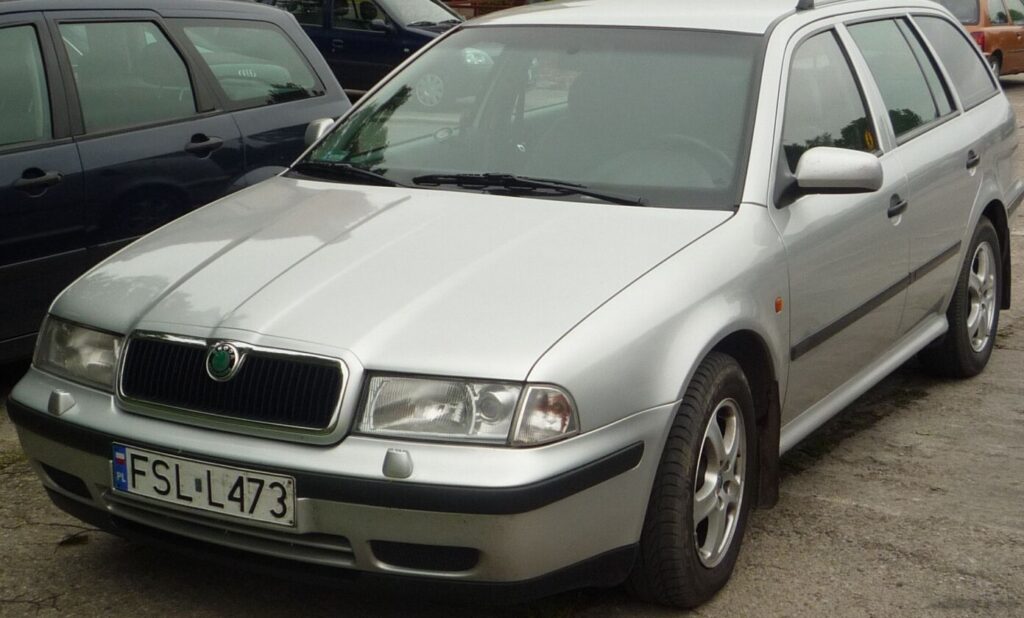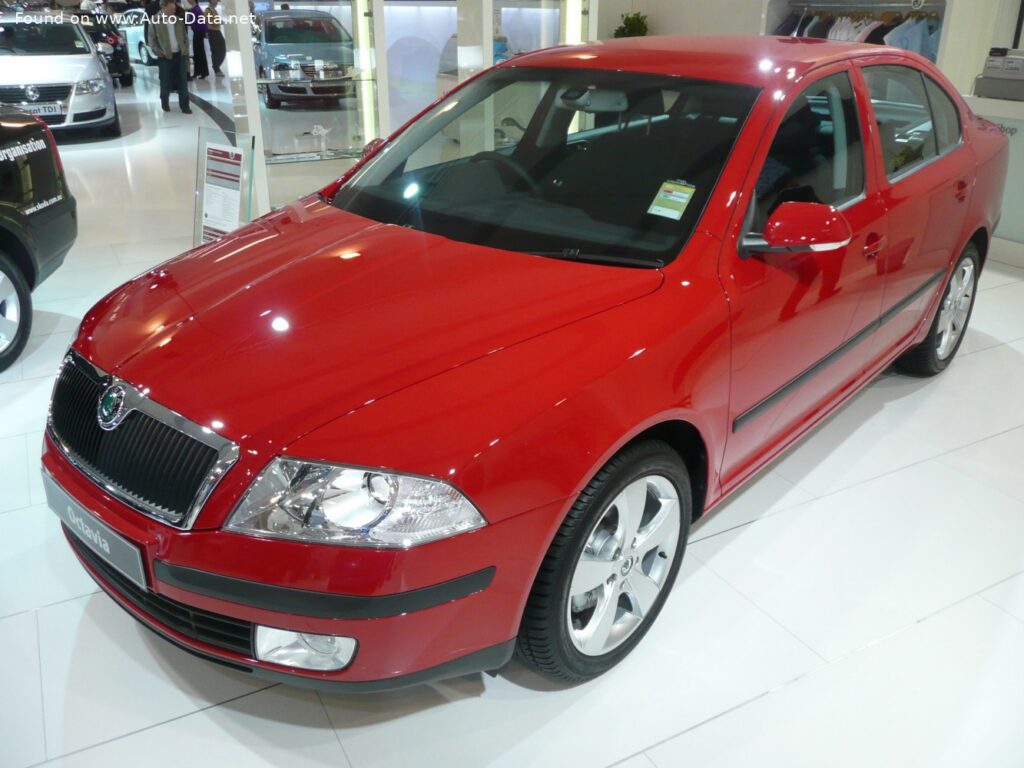
The Skoda Octavia II RS 2.0 TDI, produced between April 2006 and May 2008, represented a performance-oriented variant within the second generation (Octavia II) of Skoda’s popular compact hatchback. Positioned as the range-topping diesel model, the RS (Rally Sport) offered a significant upgrade in power and handling compared to the standard Octavia trims. Built on the Volkswagen Group’s A5 (1HX0) platform – shared with the Volkswagen Golf Mk5, Audi A3, and others – the Octavia II RS 2.0 TDI aimed to deliver a blend of practicality, fuel efficiency, and sporty driving dynamics. This specific configuration, featuring the 2.0-liter TDI engine producing 170 horsepower and a six-speed Direct-Shift Gearbox (DSG) automatic transmission, was a key offering in European markets, appealing to drivers seeking a refined yet engaging driving experience.
Powertrain & Engine Architecture
The heart of the Octavia II RS 2.0 TDI is the BMN engine code, a 1968cc (120.09 cubic inches) inline-four cylinder diesel engine. This engine is a member of the Volkswagen Group’s common rail TDI family, known for its robust construction and efficiency. The BMN utilizes a turbocharger with an intercooler to boost power output, achieving a maximum of 170 hp at 4200 rpm and 350 Nm (258.15 lb-ft) of torque between 1750 and 2500 rpm. The engine features a 16.5:1 compression ratio and a Double Overhead Camshaft (DOHC) valvetrain with four valves per cylinder. Fuel is delivered via a Bosch common rail direct injection system, allowing for precise fuel metering and optimized combustion.
The six-speed DSG transmission is a crucial component of this variant. DSG, essentially a dual-clutch automated manual transmission, provides quicker and smoother gear changes compared to a traditional automatic. It operates by pre-selecting the next gear, allowing for near-instantaneous shifts. The DSG unit in the Octavia II RS 2.0 TDI is designed to handle the engine’s torque output effectively, contributing to the car’s brisk acceleration. The transmission offers both fully automatic and manual shift modes, allowing the driver to choose their preferred level of control.
Engine Specifications (BMN)
The BMN engine, while robust, was known to be sensitive to oil quality and change intervals. Using the correct specification oil was critical to prevent issues with the turbocharger and common rail system. Regular maintenance, including fuel filter replacements, was also essential for optimal performance and longevity.
Driving Characteristics
The Octavia II RS 2.0 TDI with the DSG transmission offered a noticeably different driving experience compared to the standard Octavia models and even the versions equipped with a manual gearbox. The DSG’s quick shifts contributed to a 0-100 km/h (0-62 mph) acceleration time of 8.4 seconds, and a 0-60 mph time of approximately 8 seconds. While not as overtly sporty as some of its gasoline-powered rivals, the 2.0 TDI RS delivered strong mid-range acceleration, making it well-suited for everyday driving and overtaking maneuvers. The torque output of 350 Nm provided ample pulling power, even at lower engine speeds.
Compared to the 1.9 TDI variants, the 2.0 TDI RS offered a significant power increase and a more refined driving experience thanks to the DSG transmission. The 2.0 TDI also felt less strained at higher speeds and during prolonged highway driving. The suspension, while firm enough to provide good body control, was not overly harsh, offering a reasonable balance between comfort and handling. The steering was precise and well-weighted, contributing to a confident feel behind the wheel.
Equipment & Trim Levels
The Octavia II RS 2.0 TDI came generously equipped as standard, reflecting its position as the flagship diesel model. Standard features typically included alloy wheels (usually 17 or 18 inch), sports seats with unique upholstery, a leather-wrapped steering wheel, automatic climate control, and front fog lights. The interior featured RS-specific badging and trim details, differentiating it from other Octavia models.
Optional extras included a panoramic sunroof, parking sensors, a premium sound system, and xenon headlights. The RS trim also offered a wider range of exterior color options compared to the lower-spec models. The interior dashboard configuration was largely consistent across the Octavia II range, but the RS benefited from higher-quality materials and a more focused design aesthetic.
Chassis & Braking
The Octavia II RS 2.0 TDI featured a modified chassis compared to the standard Octavia models. The suspension was lowered and stiffened, with thicker stabilizer bars to reduce body roll and improve handling. The front suspension utilized MacPherson struts, while the rear employed a multi-link setup. Braking duties were handled by ventilated discs on the front wheels and solid discs on the rear. Anti-lock Braking System (ABS) was standard. The RS variant generally had a slightly heavier curb weight (1530 kg / 3373.07 lbs) than the base models due to the upgraded components and additional equipment.
Market Reception & Comparison
The Octavia II RS 2.0 TDI was generally well-received by automotive critics. It was praised for its strong performance, fuel efficiency, and practicality. Reviewers noted the DSG transmission’s responsiveness and the engine’s ample torque. However, some critics pointed out that the ride could be a bit firm for some drivers, and the interior, while well-built, lacked the premium feel of some of its rivals.
Compared to the gasoline-powered Octavia RS variants (typically equipped with a 2.0-liter turbocharged petrol engine), the 2.0 TDI RS offered superior fuel economy and lower running costs. However, the petrol versions generally provided slightly quicker acceleration and a more engaging engine sound. In terms of reliability, the 2.0 TDI engine proved to be generally robust, but as mentioned earlier, it was susceptible to issues if not properly maintained. The DSG transmission, while generally reliable, could require servicing or replacement at higher mileages.
Technical Specifications
| Brand | Skoda |
| Model | Octavia |
| Generation | Octavia II |
| Type (Engine) | RS 2.0 TDI (170 Hp) DSG |
| Start of production | April, 2006 |
| End of production | May, 2008 |
| Powertrain Architecture | Internal Combustion engine |
| Body type | Hatchback |
| Seats | 5 |
| Doors | 5 |
| Fuel consumption (urban) | 7.9 l/100 km (29.8 US mpg) |
| Fuel consumption (extra urban) | 4.9 l/100 km (48 US mpg) |
| Fuel consumption (combined) | 6 l/100 km (39.2 US mpg) |
| Fuel Type | Diesel |
| Acceleration 0 – 100 km/h | 8.4 sec |
| Acceleration 0 – 62 mph | 8.4 sec |
| Acceleration 0 – 60 mph | 8 sec |
| Maximum speed | 223 km/h (138.57 mph) |
| Emission standard | Euro 4 |
| Weight-to-power ratio | 9 kg/Hp |
| Weight-to-torque ratio | 4.4 kg/Nm |
| Power | 170 Hp @ 4200 rpm |
| Torque | 350 Nm @ 1750-2500 rpm (258.15 lb.-ft.) |
| Engine layout | Front, Transverse |
| Engine Model/Code | BMN |
| Engine displacement | 1968 cm3 (120.09 cu. in.) |
| Number of cylinders | 4 |
| Engine configuration | Inline |
| Cylinder Bore | 81 mm (3.19 in.) |
| Piston Stroke | 95.5 mm (3.76 in.) |
| Compression ratio | 16.5:1 |
| Number of valves per cylinder | 4 |
| Fuel injection system | Diesel Commonrail |
| Engine aspiration | Turbocharger, Intercooler |
| Valvetrain | DOHC |
| Engine oil capacity | 4.3 l (4.54 US qt | 3.78 UK qt) |
| Coolant | 8.2 l (8.66 US qt | 7.21 UK qt) |
| Kerb Weight | 1530 kg (3373.07 lbs.) |
| Max. weight | 1995 kg (4398.22 lbs.) |
| Max load | 465 kg (1025.15 lbs.) |
| Trunk (boot) space – minimum | 560 l (19.78 cu. ft.) |
| Trunk (boot) space – maximum | 1350 l (47.67 cu. ft.) |
| Fuel tank capacity | 55 l (14.53 US gal | 12.1 UK gal) |
| Length | 4572 mm (180 in.) |
| Width | 1769 mm (69.65 in.) |
| Height | 1462 mm (57.56 in.) |
| Wheelbase | 2578 mm (101.5 in.) |
| Front track | 1539 mm (60.59 in.) |
| Rear (Back) track | 1539 mm (60.59 in.) |
| Drivetrain Architecture | Front wheel drive |
| Number of gears and type of gearbox | 6 gears, automatic transmission |
| Front brakes | Ventilated discs |
| Rear brakes | Disc |
| Tires size | 225/40 R18 |
Legacy
The Skoda Octavia II RS 2.0 TDI remains a popular choice in the used car market, particularly for those seeking a practical and efficient performance hatchback. The BMN engine, when properly maintained, has proven to be relatively durable, although preventative maintenance is crucial. The DSG transmission may require servicing or eventual replacement depending on usage and mileage. The Octavia II RS 2.0 TDI’s blend of performance, fuel economy, and practicality has ensured its continued appeal to a wide range of drivers, solidifying its position as a well-regarded model within Skoda’s history.