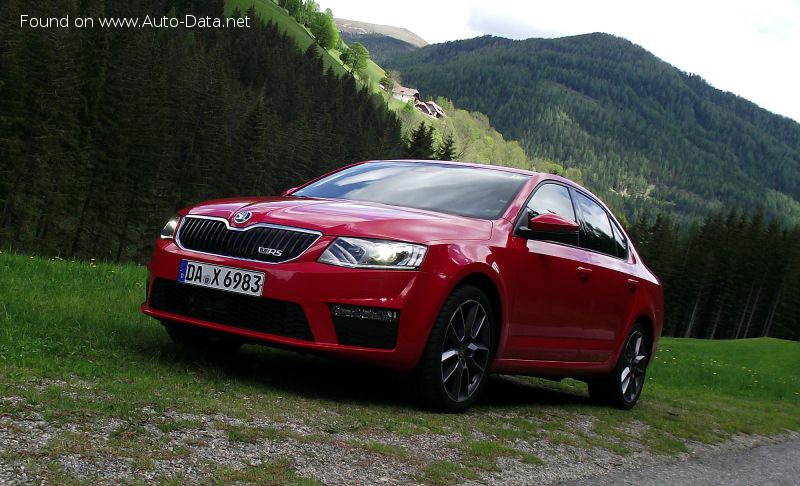
The Skoda Octavia III 1.0 TSI (115 hp) DSG represents an entry-level powertrain option within the third generation Octavia (A3) lineup, produced from June 2016 to 2017. Positioned as a fuel-efficient and accessible variant, it catered to buyers prioritizing economy and practicality over outright performance. This model utilized a three-cylinder, turbocharged gasoline engine paired with a seven-speed dual-clutch transmission (DSG), offering a balance between modern technology and affordability within the Octavia range, which also included more powerful engines like the 1.8 TSI and diesel options such as the 2.0 TDI.
Powertrain & Engine Architecture
The heart of the Octavia III 1.0 TSI is the EA211 series engine, specifically the CHZD code. This 999 cc (60.96 cu. in.) inline-three cylinder engine is a member of Volkswagen Group’s modular engine family, known for its compact size and efficiency. It features direct fuel injection, delivering fuel directly into the combustion chamber for improved combustion control and efficiency. The engine employs a single turbocharger with an intercooler to boost power output. The valvetrain utilizes a Dual Overhead Camshaft (DOHC) configuration with four valves per cylinder, optimizing gas flow for enhanced performance.
The seven-speed DSG transmission (DQ200) is a crucial component of this powertrain. This dual-clutch transmission offers quick and smooth gear changes, contributing to both fuel efficiency and a more engaging driving experience compared to a traditional automatic transmission. The DSG operates by utilizing two separate clutches for odd and even gears, allowing for pre-selection of the next gear and seamless shifts. The transmission is electronically controlled, adapting shift points based on driving conditions and driver input.
Engine Specifications
The 1.0 TSI engine produces 115 horsepower at 5000-5500 rpm and 200 Nm (147.51 lb-ft) of torque between 2000-3500 rpm. This translates to a power-to-liter ratio of 115.1 hp/l. The engine’s compression ratio is 10.3:1, a common figure for turbocharged gasoline engines. Engine oil capacity is 4 liters (4.23 US qt | 3.52 UK qt), and the recommended oil specification is determined by Skoda’s guidelines for the EA211 engine family.
Driving Characteristics
The Octavia 1.0 TSI DSG delivers a respectable driving experience, particularly for urban and highway commuting. Acceleration from 0-100 km/h (0-62 mph) takes approximately 10 seconds, while 0-60 mph is achieved in around 9.5 seconds. The maximum speed is electronically limited to 202 km/h (125.52 mph). While not a performance-oriented variant, the turbocharger provides a noticeable boost in power during acceleration, making overtaking maneuvers manageable.
The DSG transmission plays a significant role in the driving experience. It provides quick and precise gear changes, keeping the engine within its optimal power band. The gear ratios are tuned for fuel efficiency, with taller gears for highway cruising. Compared to the more powerful 1.8 TSI, the 1.0 TSI feels less responsive, especially at higher speeds. However, the lower weight of the 1.0 TSI engine contributes to improved handling and agility. The manual transmission versions of the 1.0 TSI offered a more engaging driving experience, but the DSG provided greater convenience for everyday driving.
Equipment & Trim Levels
The Octavia III 1.0 TSI DSG typically came equipped with a standard level of features, reflecting its position as an entry-level model. Standard equipment generally included air conditioning, power windows, power mirrors, a basic audio system with USB connectivity, and steel wheels with wheel covers. Safety features such as ABS (Anti-lock Braking System) and multiple airbags were also standard.
Optional extras varied depending on the market and package selected. Common options included alloy wheels, upgraded infotainment systems with touchscreen displays, parking sensors, cruise control, and automatic climate control. Interior upholstery was typically cloth, with the option of upgrading to leatherette or leather in higher trim levels. The dashboard configuration was consistent across the Octavia III range, featuring a functional and user-friendly design.
Chassis & Braking
The Octavia III 1.0 TSI utilizes a front-wheel-drive layout. The front suspension consists of an independent McPherson strut setup with coil springs and an anti-roll bar, providing a comfortable ride and decent handling. The rear suspension employs a torsion beam setup, which is a cost-effective and space-saving solution.
Braking duties are handled by ventilated discs at the front and solid discs at the rear. The braking system is equipped with ABS to prevent wheel lockup during emergency braking. Steering is provided by a power-assisted steering rack and pinion system, offering precise and responsive steering feel. Tire sizes typically ranged from 195/65 R15 to 205/55 R16, depending on the trim level and optional wheel packages.
Market Reception & Comparison
The Skoda Octavia III 1.0 TSI DSG was generally well-received by automotive critics as a practical and fuel-efficient option. It was praised for its comfortable ride, spacious interior, and modern technology. However, some critics noted that the engine lacked the punch of the more powerful variants, particularly when fully loaded or driving uphill.
Compared to the 1.8 TSI, the 1.0 TSI offered significantly better fuel economy. Combined fuel consumption (NEDC) was rated at 4.5 l/100 km (52.3 US mpg, 62.8 UK mpg), with CO2 emissions of 106 g/km. The 1.8 TSI, while offering more performance, consumed around 6.0-6.5 l/100 km. In terms of reliability, the 1.0 TSI engine proved to be generally reliable, although some owners reported minor issues with the turbocharger and DSG transmission. The 1.0 TSI was positioned as a direct competitor to other small-capacity turbocharged gasoline engines offered in the compact segment, such as the 1.0 EcoBoost from Ford and the 1.0 TSI from Volkswagen.
Technical Specifications
| Brand | Skoda |
| Model | Octavia |
| Generation | Octavia III |
| Type (Engine) | 1.0 TSI (115 Hp) DSG |
| Start of production | June, 2016 |
| End of production | 2017 |
| Powertrain Architecture | Internal Combustion engine |
| Body type | Hatchback |
| Seats | 5 |
| Doors | 5 |
| Fuel consumption (economy) – urban (NEDC) | 5.4 l/100 km (43.6 US mpg, 52.3 UK mpg) |
| Fuel consumption (economy) – extra urban (NEDC) | 4.1 l/100 km (57.4 US mpg, 68.9 UK mpg) |
| Fuel consumption (economy) – combined (NEDC) | 4.5 l/100 km (52.3 US mpg, 62.8 UK mpg) |
| CO2 emissions (NEDC) | 106 g/km |
| Fuel Type | Petrol (Gasoline) |
| Acceleration 0 – 100 km/h | 10 sec |
| Acceleration 0 – 62 mph | 10 sec |
| Acceleration 0 – 60 mph | 9.5 sec |
| Maximum speed | 202 km/h (125.52 mph) |
| Emission standard | Euro 6 |
| Weight-to-power ratio | 10.2 kg/Hp |
| Weight-to-torque ratio | 5.9 kg/Nm |
| Power | 115 Hp @ 5000-5500 rpm |
| Torque | 200 Nm @ 2000-3500 rpm (147.51 lb.-ft.) |
| Engine layout | Front, Transverse |
| Engine Model/Code | EA211 / CHZD |
| Engine displacement | 999 cm3 (60.96 cu. in.) |
| Number of cylinders | 3 |
| Engine configuration | Inline |
| Cylinder Bore | 74.5 mm (2.93 in.) |
| Piston Stroke | 76.4 mm (3.01 in.) |
| Compression ratio | 10.3:1 |
| Number of valves per cylinder | 4 |
| Fuel injection system | Direct injection |
| Engine aspiration | Turbocharger, Intercooler |
| Valvetrain | DOHC |
| Engine oil capacity | 4 l (4.23 US qt | 3.52 UK qt) |
| Kerb Weight | 1175 kg (2590.43 lbs.) |
| Max. weight | 1800 kg (3968.32 lbs.) |
| Trunk (boot) space – minimum | 590 l (20.84 cu. ft.) |
| Trunk (boot) space – maximum | 1580 l (55.8 cu. ft.) |
| Fuel tank capacity | 50 l (13.21 US gal | 11 UK gal) |
| Length | 4659 mm (183.43 in.) |
| Width | 1814 mm (71.42 in.) |
| Height | 1461 mm (57.52 in.) |
| Wheelbase | 2686 mm (105.75 in.) |
| Number of gears and type of gearbox | 7 gears, automatic transmission DSG |
Legacy
The Skoda Octavia III 1.0 TSI DSG powertrain has proven to be a relatively reliable unit, although, as with any turbocharged engine, regular maintenance is crucial. Common issues reported by owners include occasional problems with the DSG transmission, such as jerky shifts or delayed engagement. The 1.0 TSI engine itself is generally robust, but the turbocharger and fuel injection system require careful attention.
In the used car market, the Octavia 1.0 TSI DSG remains a popular choice for buyers seeking a fuel-efficient and practical compact car. Its affordability, spacious interior, and modern features make it an attractive option. However, potential buyers should be aware of the potential for DSG transmission issues and ensure that the vehicle has been properly maintained. The 1.0 TSI engine’s smaller displacement and lower power output may not appeal to all drivers, but it provides a good balance between economy and usability for everyday driving.