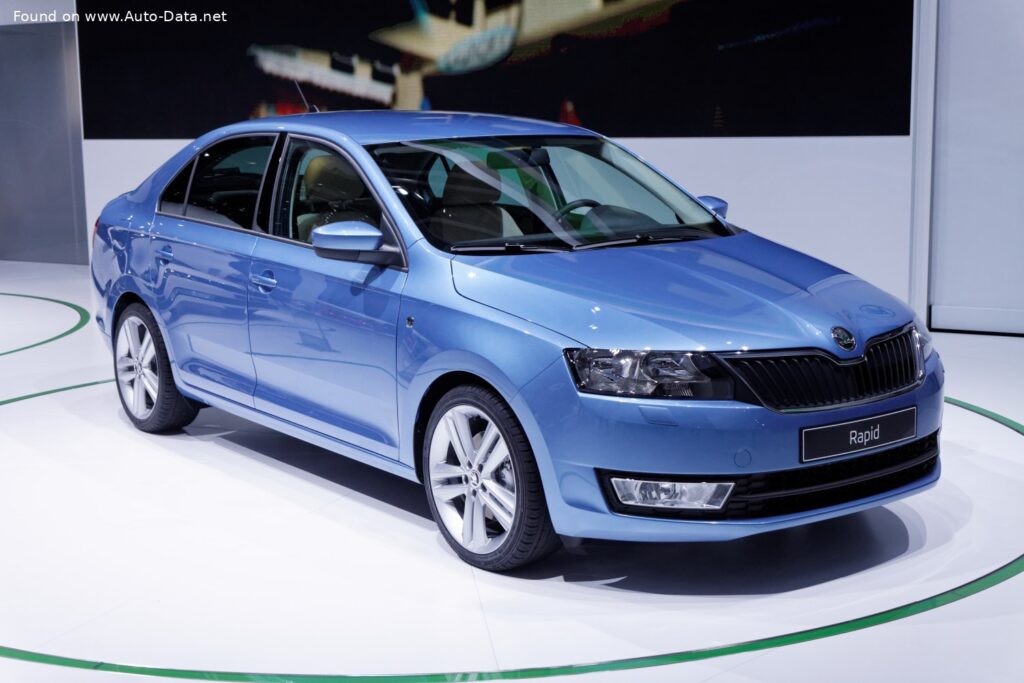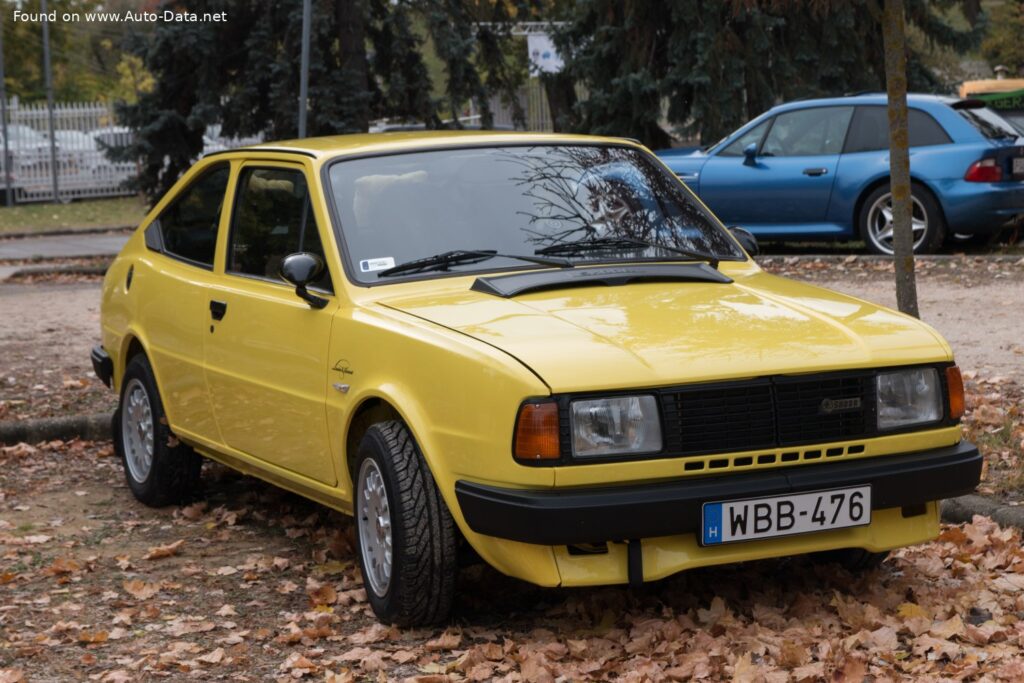
The Skoda Rapid 120G, 130G, and 135G represent a significant chapter in the Czech automaker’s history, particularly during a period of political and economic transition. Produced between 1984 and 1990, the Rapid was Skoda’s final rear-engined vehicle, marking the end of an era that began with the original Skoda Octavia in the 1950s. While not officially sold in the United States, the Rapid was a popular choice in Eastern and Western Europe, offering a blend of affordability, practicality, and surprisingly modern features for its time. The 1.2 (120G) variant, powered by a 58 horsepower engine, was the entry-level model, appealing to buyers seeking economical transportation. This article details the technical aspects and historical context of the Skoda Rapid 120G, 130G, and 135G, focusing on the 1.2 (120G) specification.
Skoda Rapid: A Rear-Engined Legacy
The Skoda Rapid emerged as a successor to the Skoda 105/120 series, addressing criticisms regarding its dated design and limited features. The Rapid represented a substantial investment for Skoda, aiming to compete with contemporary Western European vehicles. The “Rapid” name itself signified a desire for a more modern and dynamic image. The 120G, 130G, and 135G designations referred to different engine outputs and trim levels, with the 120G being the base model. The Rapid’s design incorporated elements of contemporary automotive styling, including a more angular front end and a generally more streamlined profile compared to its predecessors. It was intended to appeal to a broader customer base, offering a more comfortable and refined driving experience.
Engine & Performance
The Skoda Rapid 120G was equipped with a 1.2-liter, naturally aspirated, four-cylinder engine, designated the 743. This engine produced 58 horsepower, providing adequate power for everyday driving. While not a performance car by any means, the Rapid 120G offered reasonable acceleration and a top speed of around 87 miles per hour. The engine was mounted in the rear of the vehicle, a configuration that was becoming increasingly uncommon in the 1980s. This rear-engine layout contributed to the car’s unique handling characteristics, offering good traction but also exhibiting a tendency towards oversteer. The engine was paired with a four-speed manual transmission, delivering power to the rear wheels. The 1.2-liter engine was known for its relative reliability and ease of maintenance, making it a practical choice for owners. Fuel economy was a key consideration, and the Rapid 120G offered a respectable fuel consumption rate for its time, particularly when compared to larger, more powerful vehicles.
Design & Features
The Skoda Rapid 120G was a two-door coupe, offering seating for four passengers. The body style was a departure from the more utilitarian designs of previous Skoda models, featuring a more sloping roofline and a generally more modern appearance. The interior of the Rapid 120G was relatively basic but functional, offering comfortable seating and a straightforward dashboard layout. Features included a heater, basic instrumentation, and optional extras such as a radio. Safety features were limited by the standards of the time, consisting primarily of seatbelts. The rear-engine layout necessitated a large engine compartment at the rear of the vehicle, which impacted the amount of luggage space available. However, the front trunk provided some additional storage capacity. The suspension system consisted of independent suspension at the front and a swing axle setup at the rear, contributing to the car’s unique handling characteristics. The Rapid’s design incorporated improvements in aerodynamics compared to earlier Skoda models, resulting in reduced drag and improved fuel efficiency. The car’s overall build quality was generally good, reflecting Skoda’s commitment to producing a reliable and durable vehicle.
Historical Context and Market Position
The Skoda Rapid was produced during a period of significant political and economic change in Czechoslovakia. The country was still under communist rule, but there was growing pressure for reform. The Rapid was intended to be a showcase for Skoda’s engineering capabilities and a symbol of Czechoslovakia’s modernization. The car was exported to Western Europe, where it was marketed as an affordable and practical alternative to more expensive vehicles. While it didn’t achieve massive sales volumes, the Rapid gained a reputation for its reliability and value for money. The introduction of the Rapid also coincided with increasing competition from Japanese automakers, who were gaining market share in Europe with their fuel-efficient and reliable vehicles. The Rapid’s rear-engine layout was a key differentiator, but it also presented challenges in terms of packaging and handling. As the 1980s progressed, front-wheel-drive vehicles became increasingly dominant, and Skoda eventually transitioned to front-wheel-drive with the Felicia model in the early 1990s. The Rapid, therefore, represents a transitional period in Skoda’s history, bridging the gap between its rear-engined past and its front-wheel-drive future.
Technical Specifications
| Brand | Skoda |
| Model | Rapid |
| Generation | Rapid (120G, 130G, 135G) |
| Type (Engine) | 1.2 (120G) (58 Hp) |
| Start of production | 1984 |
| End of production | 1990 |
| Powertrain Architecture | Internal Combustion engine |
| Body type | Coupe |
| Doors | 2 |
| Fuel Type | Petrol (Gasoline) |
| Power | 58 Hp |
| Engine Model/Code | 743 |
| Engine aspiration | Naturally aspirated engine |
| Engine oil capacity | 4 l (4.23 US qt | 3.52 UK qt) |
| Coolant capacity | 11.5 l (12.15 US qt | 10.12 UK qt) |