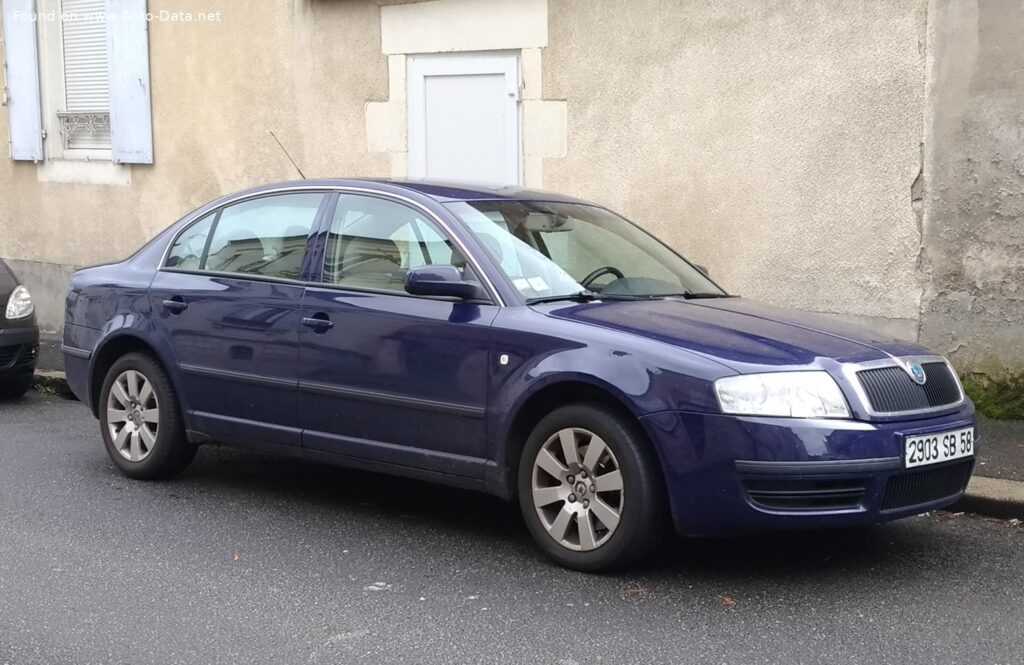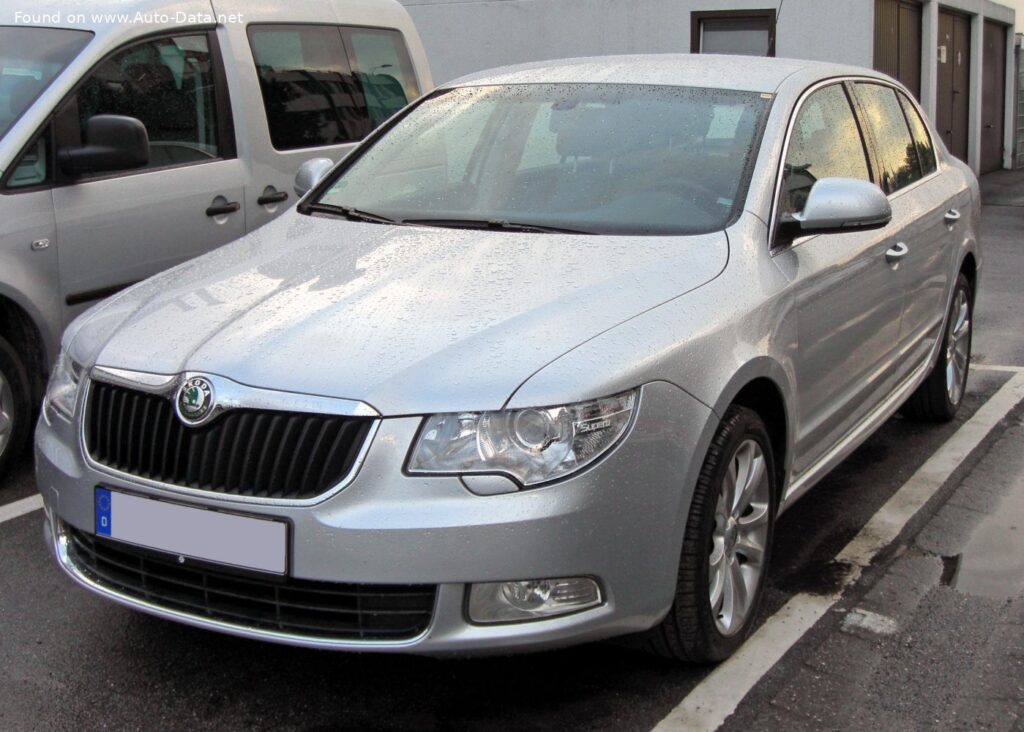
The Skoda Superb II, specifically the 2.0 TDI PD (140 Hp) DPF variant produced between 2008 and 2010, marks a pivotal moment in Skoda’s evolution as a serious competitor in the European executive and family car segments. As part of the Volkswagen Group, Skoda leveraged shared platforms and technology to deliver vehicles offering exceptional value, practicality, and comfort. The Superb II, the second generation of Skoda’s flagship model, became known for its spacious interior, innovative Twindoor liftback design, and robust engineering, appealing to European buyers seeking premium features without the high price tag of German brands.
The Skoda Superb II: A European Executive Contender
Launched in 2008, the second-generation Superb improved upon its predecessor by offering an even more compelling combination of space, refinement, and technology. Unlike the first Superb, which was essentially a lengthened Volkswagen Passat, the Superb II utilized the Volkswagen Group’s PQ46 platform, also shared with the Passat B6, but distinguished itself with unique styling and a groundbreaking body concept. While Skoda has a limited presence in the United States market, the Superb II established a strong foothold in Europe, particularly in countries where its blend of practicality and understated luxury resonated with both corporate fleets and individual families. Its liftback body style, offering the elegance of a sedan with the cargo access of a hatchback, was a key selling point, providing exceptional versatility. The vehicle’s substantial dimensions – 190.47 inches in length and 71.54 inches in width – directly translated into a remarkably spacious cabin, comfortably accommodating five adults and their luggage, a core element of Skoda’s design philosophy.
Engine & Performance
The 2.0 TDI PD (140 Hp) DPF variant of the Skoda Superb II was powered by a robust 2.0-liter turbodiesel engine, designated EA188 / BMP. This powertrain, typical of Volkswagen Group diesels of the period, featured direct injection with a Pumpe-Düse (Unit Injector) system, providing precise fuel metering and efficient combustion. The engine produced 140 horsepower at 4200 rpm and 236.02 lb.-ft. of torque between 1750 and 2500 rpm, delivering ample power for both city driving and highway cruising. A turbocharger and intercooler maximized power output and efficiency, minimizing turbo lag and providing responsive acceleration. The engine’s power-to-liter ratio was 71.1 Hp/l, demonstrating its efficient design given its 120.09 cubic inch (1968 cm³) displacement.
Performance figures were competitive for its class, with a 0 to 60 mph acceleration time of 9.6 seconds and a top speed of 129.25 mph. However, the powertrain’s strength lay in its fuel economy. Achieving a combined fuel consumption of 43.6 US mpg (5.4 l/100 km), it offered significant running cost savings, a major factor for European buyers. Urban fuel economy was rated at 34.1 US mpg, while extra-urban driving could achieve 51.1 US mpg. The engine also included a Diesel Particulate Filter (DPF) and met Euro 5 emission standards, demonstrating a commitment to reducing emissions. Power was delivered to the front wheels through a smooth 6-speed manual transmission, enhancing the driving experience and optimizing fuel efficiency. The drivetrain was front-wheel drive with a transversely mounted internal combustion engine.
Design & Features
The Skoda Superb II’s design was characterized by elegant lines and understated sophistication, a departure from Skoda’s more utilitarian designs of the past. The liftback body style, a defining feature, combined the appearance of a sedan with the practicality of a hatchback, allowing the entire rear window and trunk lid to lift as one unit for easy access to a large cargo area. This “Twindoor” system, unique to the Superb, significantly enhanced its versatility. The interior comfortably seated five occupants, with generous headroom and legroom, reinforcing the Superb II’s reputation as a practical and comfortable family or executive vehicle.
The Superb II featured a well-engineered chassis focused on comfort and handling. The front suspension used an independent McPherson strut setup with coil springs and an anti-roll bar, providing precise steering and absorbing road imperfections. The rear suspension utilized an independent multi-link system, further enhancing ride quality and stability. Disc brakes on all four wheels, coupled with an Anti-lock Braking System (ABS), ensured reliable stopping power and safety. Electric power steering with a rack and pinion setup offered a balance of ease of use and steering feedback. The vehicle typically came equipped with tires ranging from 205/55 R16 to 225/45 R17, mounted on 7.0J x 16 or 7.0J x 17 wheels. A minimum turning circle of 37.73 feet provided good maneuverability for a vehicle of its size.
Technical Specifications
| Engine Type | 2.0L TDI PD (EA188 / BMP) |
| Displacement | 1968 cm³ (120.09 cubic inches) |
| Horsepower | 140 Hp @ 4200 rpm |
| Torque | 236.02 lb.-ft. @ 1750-2500 rpm |
| Power/Liter | 71.1 Hp/l |
| Fuel Consumption (Combined) | 43.6 US mpg (5.4 l/100 km) |
| Fuel Consumption (Urban) | 34.1 US mpg |
| Fuel Consumption (Extra-Urban) | 51.1 US mpg |
| Transmission | 6-speed Manual |
| Drivetrain | Front-Wheel Drive |
| 0-60 mph | 9.6 seconds |
| Top Speed | 129.25 mph |
| Length | 190.47 inches |
| Width | 71.54 inches |
| Turning Circle | 37.73 feet |
The Skoda Superb II 2.0 TDI PD (140 Hp) DPF represented a significant achievement for Skoda, demonstrating the brand’s ability to deliver a compelling blend of practicality, comfort, and efficiency in the competitive European executive car market. Its innovative design, spacious interior, and robust powertrain made it a popular choice for families and business users alike, solidifying Skoda’s position as a credible alternative to established German brands.