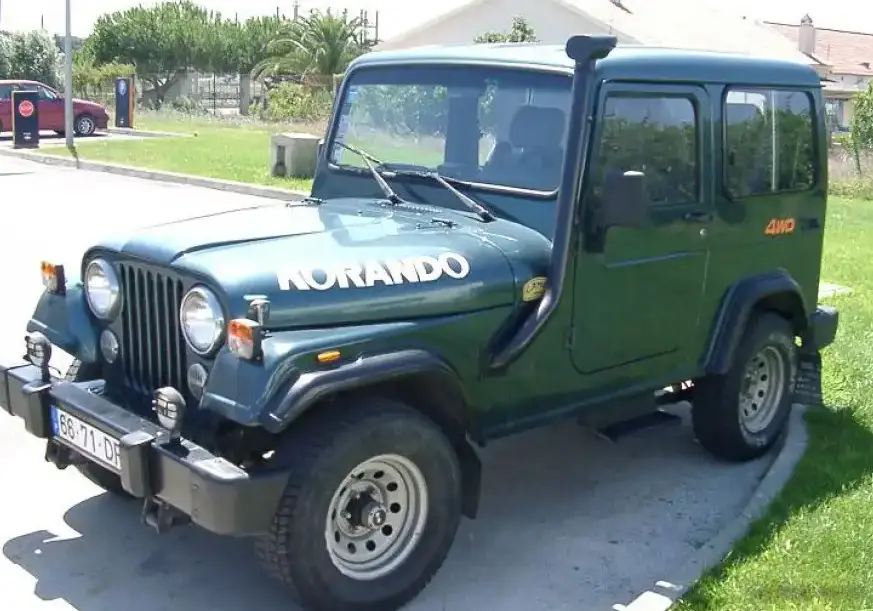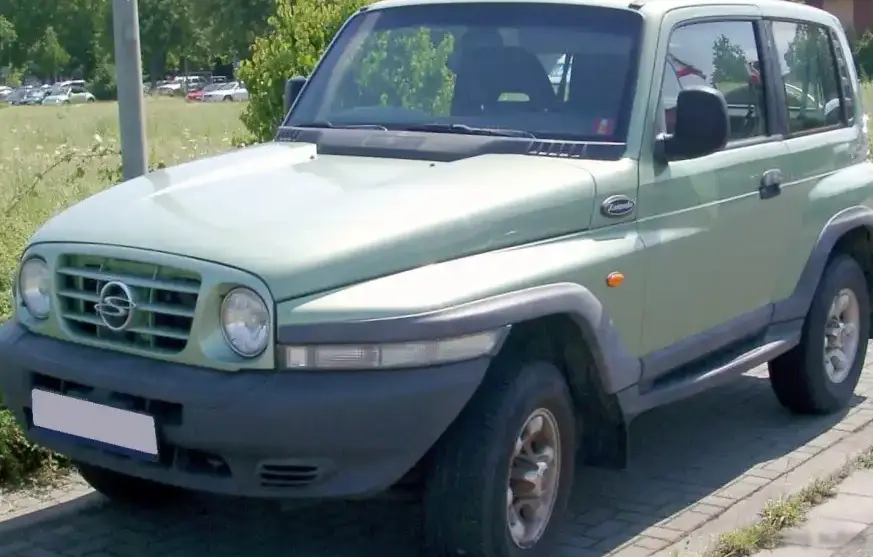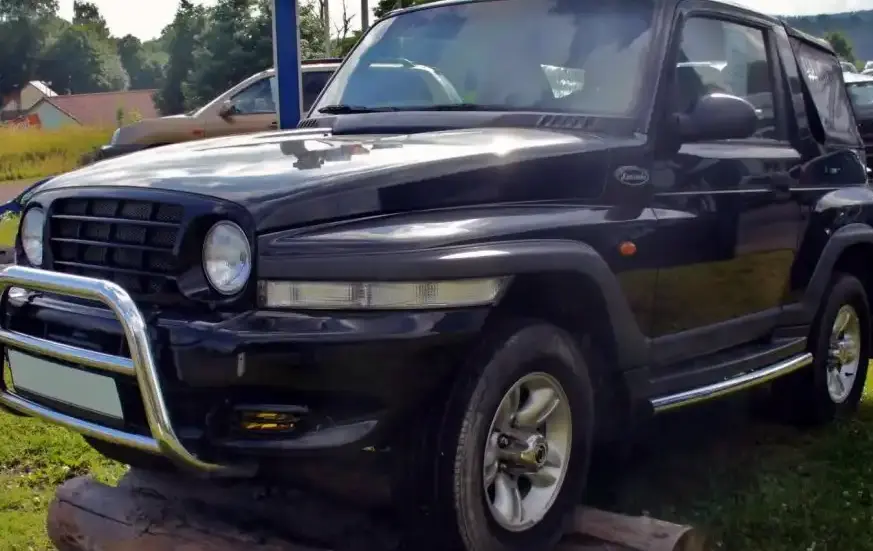
The SsangYong Korando Cabrio II (KJ) 2.3, produced between 1996 and 1999, represents a unique and somewhat niche offering in the late 1990s automotive landscape. This variant combined the rugged, body-on-frame construction of the Korando with the open-air enjoyment of a convertible, targeting a specific segment of buyers seeking a versatile and distinctive vehicle. It was part of the second generation of the Korando Cabrio, designated the KJ series, building upon the original Korando’s established reputation for off-road capability, but with a more leisure-oriented focus. The 2.3-liter engine, producing 140 horsepower, positioned this trim as a mid-range option within the Korando Cabrio II lineup, offering a balance between performance and affordability.
Technical Specifications
| Brand | SsangYong |
| Model | Korando |
| Generation | Korando Cabrio II (KJ) |
| Type (Engine) | 2.3 (140 Hp) |
| Start of Production | 1996 |
| End of Production | 1999 |
| Powertrain Architecture | Internal Combustion Engine |
| Body Type | Cabriolet, SUV |
| Fuel Type | Petrol (Gasoline) |
| Power | 140 Hp |
| Engine Aspiration | Naturally Aspirated |
| Engine Oil Capacity | 7.5 l (7.93 US qt | 6.6 UK qt) |
Powertrain & Engine Architecture
The Korando Cabrio II 2.3 was powered by SsangYong’s 2.3-liter inline-four cylinder gasoline engine. This engine, while not a technological marvel, was known for its relative simplicity and durability. It featured a cast iron block and aluminum cylinder head, a common configuration for engines of this era. Fuel delivery was managed by a multi-point fuel injection system, contributing to improved fuel efficiency and reduced emissions compared to earlier carbureted designs. The engine utilized a single overhead camshaft (SOHC) valvetrain, operating two valves per cylinder. While not offering the performance potential of dual overhead cam (DOHC) engines, the SOHC design contributed to lower manufacturing costs and easier maintenance. Specific engine codes for this variant are often difficult to pinpoint definitively due to variations in regional specifications, but it’s generally considered a derivative of the Mercedes-Benz G127 engine family, reflecting SsangYong’s long-standing technical partnership with the German automaker. The transmission paired with the 2.3-liter engine was typically a four-speed automatic, chosen for its ease of use and suitability for the vehicle’s intended role as a leisure-focused SUV. Manual transmission options were available in other Korando Cabrio II trims, but the automatic was the predominant choice for the 2.3-liter variant.
Driving Characteristics
The 140 horsepower output of the 2.3-liter engine, coupled with the four-speed automatic transmission, resulted in a driving experience that prioritized comfort and usability over outright performance. Acceleration was adequate for everyday driving, but not particularly brisk. The automatic transmission, while smooth in operation, lacked the responsiveness of a manual gearbox, and its limited number of gears meant that the engine often operated at higher RPMs during highway cruising. The Korando Cabrio II’s body-on-frame construction contributed to a noticeable body roll in corners, and the steering, while hydraulically assisted, lacked the precision of more modern rack-and-pinion systems. However, the vehicle’s robust suspension and ample ground clearance made it capable of handling moderately challenging off-road terrain. The automatic transmission’s gear ratios were geared towards providing sufficient torque for climbing hills and navigating rough surfaces, rather than maximizing fuel economy or acceleration. Compared to the available manual transmission, the automatic resulted in a slight decrease in fuel efficiency and a less engaging driving experience, but it appealed to buyers who preferred the convenience of an automatic.
Equipment & Trim Levels
The Korando Cabrio II 2.3 typically came equipped with a reasonable level of standard features for a vehicle of its class in the late 1990s. These included power steering, power windows, and central locking. Interior upholstery was typically cloth, with optional leather available as an upgrade. The dashboard layout was functional and straightforward, with clearly labeled controls. Air conditioning was a common option, and many examples were also equipped with an aftermarket audio system. The convertible top was manually operated, requiring physical effort to raise and lower. Trim levels varied depending on the market, but generally, the 2.3-liter automatic variant occupied a mid-range position. It offered more features than the base models, but lacked some of the luxury appointments found in the higher-end trims. Optional extras included alloy wheels, upgraded audio systems, and a rear-mounted spare tire carrier.
Chassis & Braking
The Korando Cabrio II utilized a traditional body-on-frame chassis, providing a robust and durable platform. The suspension consisted of a double wishbone setup at the front and a multi-link suspension at the rear. This configuration offered a reasonable balance between ride comfort and off-road capability. Braking was typically accomplished with disc brakes at the front and drum brakes at the rear. While adequate for most driving conditions, the drum brakes at the rear offered less stopping power and fade resistance compared to disc brakes. Stabilizer bars were fitted to both the front and rear axles to reduce body roll during cornering. The chassis was designed to withstand the stresses of both on-road and off-road driving, and its rugged construction contributed to the vehicle’s longevity. The steering system was a recirculating ball type, which provided a relatively heavy steering feel but was known for its durability.
Market Reception & Comparison
The SsangYong Korando Cabrio II 2.3 received mixed reviews from automotive critics. While its unique combination of convertible top and SUV practicality was appreciated, its relatively modest performance and somewhat dated technology were often criticized. Compared to other SUVs of the era, such as the Jeep Cherokee or the Toyota RAV4, the Korando Cabrio II offered a more distinctive and rugged aesthetic, but lacked the refinement and performance of its competitors. The 2.3-liter automatic variant was generally considered a good value for money, offering a reasonable level of equipment and capability at a competitive price point. Fuel economy was average for a vehicle of its size and type, and reliability was generally good, although maintenance costs could be higher due to the vehicle’s relatively low production volume and limited parts availability. Compared to the 2.0-liter engine option, the 2.3-liter provided a noticeable improvement in performance, but at the expense of slightly increased fuel consumption.
Legacy
The SsangYong Korando Cabrio II 2.3 remains a relatively rare and collectible vehicle today. Its unique design and limited production numbers have made it a favorite among enthusiasts of unusual and distinctive automobiles. The 2.3-liter engine, while not particularly powerful, has proven to be reasonably durable and reliable, provided it has been properly maintained. Finding parts for the Korando Cabrio II can be challenging, as SsangYong’s presence in many markets was limited. However, a dedicated community of owners and enthusiasts has emerged, sharing information and resources to help keep these vehicles on the road. The Korando Cabrio II 2.3 represents a unique chapter in SsangYong’s history, showcasing the company’s willingness to experiment with unconventional designs and cater to niche markets. Its blend of ruggedness, practicality, and open-air enjoyment continues to appeal to a small but dedicated following.