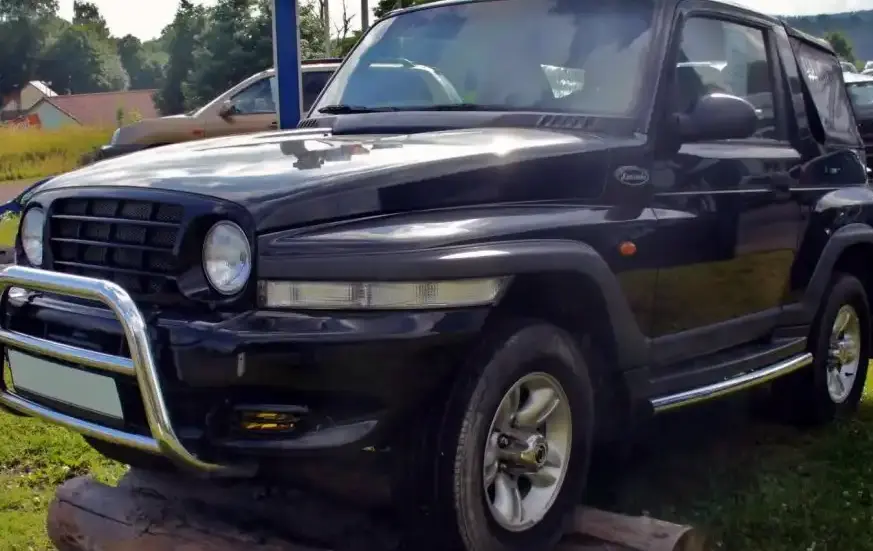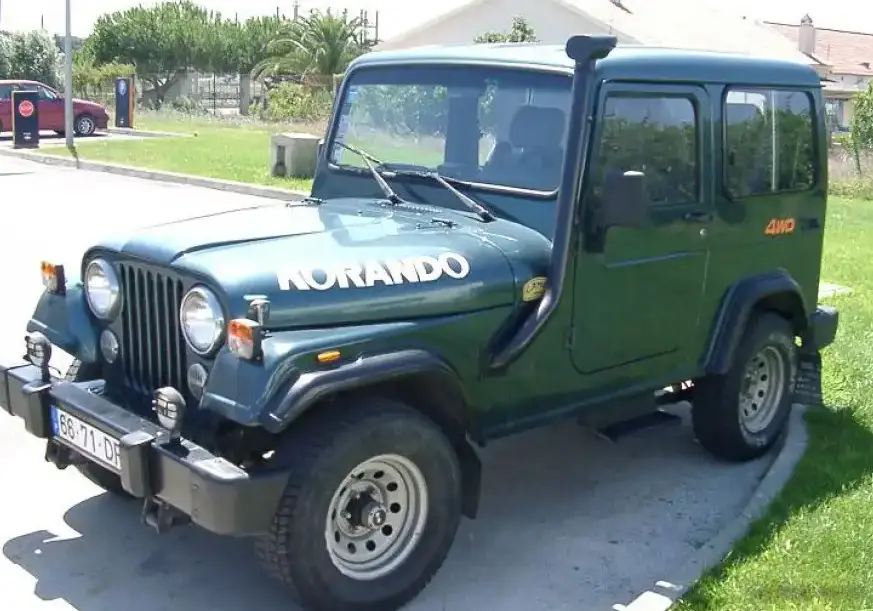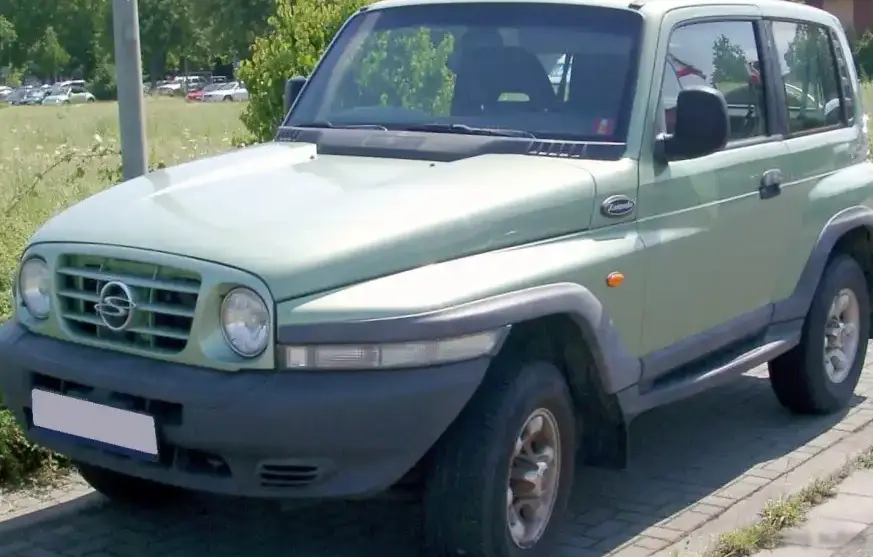
The SsangYong Korando II (KJ) 2.0 i 16V, produced from 1998 to 2006, represents a significant evolution in SsangYong’s SUV offerings. Positioned as a mid-range option within the Korando II lineup, this variant aimed to balance affordability with respectable performance and practicality. The Korando II, designated the KJ series, was a crucial model for SsangYong, particularly in European and Asian markets, offering a rugged, body-on-frame SUV alternative to increasingly popular car-based crossovers. This specific 2.0-liter, 126 horsepower configuration was a popular choice for buyers seeking a capable all-wheel-drive vehicle without the expense of the larger displacement engines.
Technical Specifications
| Brand | SsangYong |
| Model | Korando |
| Generation | Korando II (KJ) |
| Type (Engine) | 2.0 i 16V (126 Hp) |
| Start of production | 1998 |
| End of production | 2006 |
| Powertrain Architecture | Internal Combustion engine |
| Body type | SUV |
| Seats | 5 |
| Doors | 3 |
| Fuel consumption (urban) | 13.6 l/100 km (17.3 US mpg) |
| Fuel consumption (extra urban) | 8.4 l/100 km (28 US mpg) |
| Fuel Type | Petrol (Gasoline) |
| Acceleration 0 – 100 km/h | 18 sec |
| Acceleration 0 – 62 mph | 18 sec |
| Acceleration 0 – 60 mph | 17.1 sec |
| Maximum speed | 154 km/h (95.69 mph) |
| Weight-to-power ratio | 13.9 kg/Hp |
| Weight-to-torque ratio | 9.9 kg/Nm |
| Power | 126 Hp @ 5600 rpm |
| Power per litre | 63.1 Hp/l |
| Torque | 177 Nm @ 4000 rpm (130.55 lb.-ft. @ 4000 rpm) |
| Engine layout | Front, Longitudinal |
| Engine displacement | 1998 cm3 (121.93 cu. in.) |
| Number of cylinders | 4 |
| Engine configuration | Inline |
| Cylinder Bore | 89.9 mm (3.54 in.) |
| Piston Stroke | 78.7 mm (3.1 in.) |
| Compression ratio | 9.5:1 |
| Number of valves per cylinder | 4 |
| Fuel injection system | Multi-port manifold injection |
| Engine aspiration | Naturally aspirated engine |
| Kerb Weight | 1750 kg (3858.09 lbs.) |
| Max. weight | 2515 kg (5544.63 lbs.) |
| Max load | 765 kg (1686.54 lbs.) |
| Trunk (boot) space – minimum | 350 l (12.36 cu. ft.) |
| Trunk (boot) space – maximum | 1200 l (42.38 cu. ft.) |
| Fuel tank capacity | 70 l (18.49 US gal | 15.4 UK gal) |
| Length | 4260 mm (167.72 in.) |
| Width | 1841 mm (72.48 in.) |
| Height | 1840 mm (72.44 in.) |
| Wheelbase | 2480 mm (97.64 in.) |
| Front track | 1510 mm (59.45 in.) |
| Rear (Back) track | 1520 mm (59.84 in.) |
| Drive wheel | All wheel drive (4×4) |
| Number of gears and type of gearbox | 5 gears, manual transmission |
| Front suspension | Torsion |
| Rear suspension | Rigid axle suspension |
| Front brakes | Ventilated discs |
| Rear brakes | Disc |
| Assisting systems | ABS (Anti-lock braking system) |
| Steering type | Steering rack and pinion |
| Power steering | Hydraulic Steering |
| Tires size | 235/75 R15 |
Powertrain & Engine Architecture
The heart of the Korando II 2.0 i 16V is the Mercedes-Benz derived 1998cc inline-four cylinder engine. While SsangYong had licensing agreements with Mercedes-Benz for many years, this engine represents a refined version adapted for their needs. The engine utilizes a multi-port fuel injection system, providing adequate fuel delivery for the time, though lacking the sophistication of later direct-injection systems. The 16-valve cylinder head, with two valves per cylinder, contributes to reasonable breathing at higher RPMs. The engine’s 9.5:1 compression ratio strikes a balance between efficiency and performance. Paired with this engine was a five-speed manual transmission, which was the most common configuration. The engine is longitudinally mounted, contributing to the vehicle’s all-wheel-drive capability.
Driving Characteristics
The 126 horsepower output of the 2.0-liter engine in the Korando II translates to modest, but usable, performance. Acceleration from 0-60 mph takes around 17.1 seconds, and top speed is around 96 mph. Compared to the more powerful 2.3-liter or diesel variants, the 2.0-liter feels noticeably slower, particularly when fully loaded or tackling steep inclines. The five-speed manual transmission offers a reasonable spread of gears, but the engine lacks the low-end torque to make frequent downshifting unnecessary. The all-wheel-drive system provides good traction on loose surfaces, making it a capable off-road vehicle for light to moderate trails. The ride quality is typical of a body-on-frame SUV – firm and somewhat truck-like, but generally comfortable for everyday driving.
Equipment & Trim Levels
The 2.0 i 16V Korando II typically came with a fairly basic level of equipment, positioning it as an entry-level or mid-range offering. Standard features generally included power steering, central locking, and basic instrumentation. Interior upholstery was typically cloth, and the dashboard featured a functional, if somewhat utilitarian, design. Optional extras could include air conditioning, power windows, and a radio/cassette player. Higher trim levels, if selected, might add features like alloy wheels, upgraded interior trim, and a sunroof. The focus was on providing a durable and practical vehicle rather than luxurious appointments.
Chassis & Braking
The Korando II utilizes a traditional body-on-frame construction, providing robust durability and off-road capability. Front suspension consists of torsion bars, while the rear employs a rigid axle suspension. This setup prioritizes load-carrying capacity and off-road performance over refined on-road handling. Braking is provided by ventilated discs at the front and solid discs at the rear. An Anti-lock Braking System (ABS) was often included as standard equipment, enhancing safety. The steering is a rack and pinion system with hydraulic power assistance, providing reasonable steering feel and maneuverability.
Market Reception & Comparison
The Korando II 2.0 i 16V was generally well-received as a practical and affordable SUV, particularly in markets where off-road capability was valued. Critics noted its rugged construction and all-wheel-drive system, but also pointed out its relatively slow acceleration and basic interior. Compared to the more powerful 2.3-liter gasoline and diesel variants, the 2.0-liter offered better fuel economy but at the expense of performance. The diesel models, in particular, were favored by those who prioritized torque and fuel efficiency. The 2.0-liter version appealed to buyers who wanted a capable SUV for everyday use and occasional off-road excursions without the higher price tag of the more powerful trims.
Legacy
The SsangYong Korando II 2.0 i 16V has proven to be a relatively reliable vehicle, particularly when properly maintained. The Mercedes-Benz derived engine is known for its durability, although regular servicing is essential. Common issues include wear and tear on suspension components and potential corrosion in areas exposed to harsh weather conditions. In the used car market today, these Korandos are often sought after by enthusiasts and those looking for a rugged and affordable SUV. Parts availability can be a challenge in some regions, but a dedicated community of owners and online resources can help with sourcing components. The Korando II 2.0 i 16V represents a solid and dependable choice for those seeking a classic, body-on-frame SUV with all-wheel-drive capability.