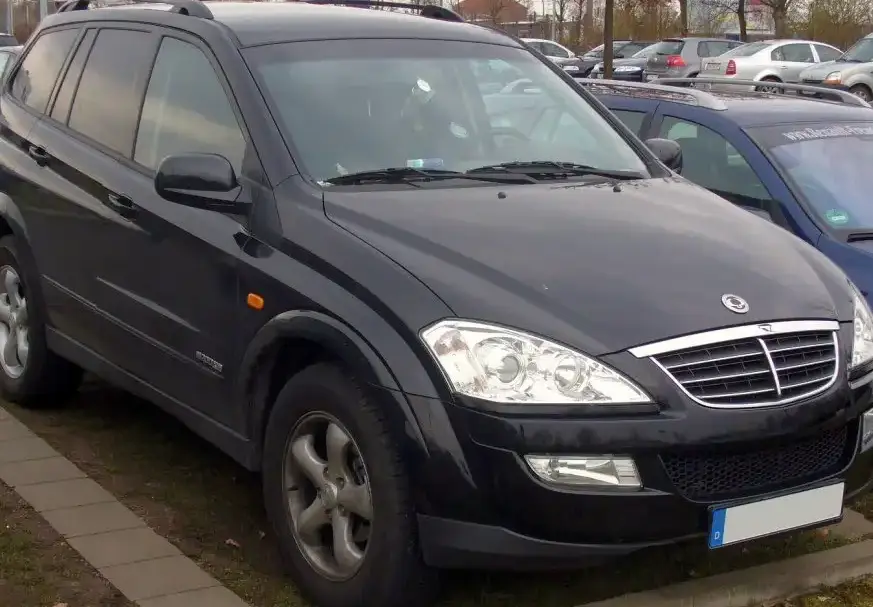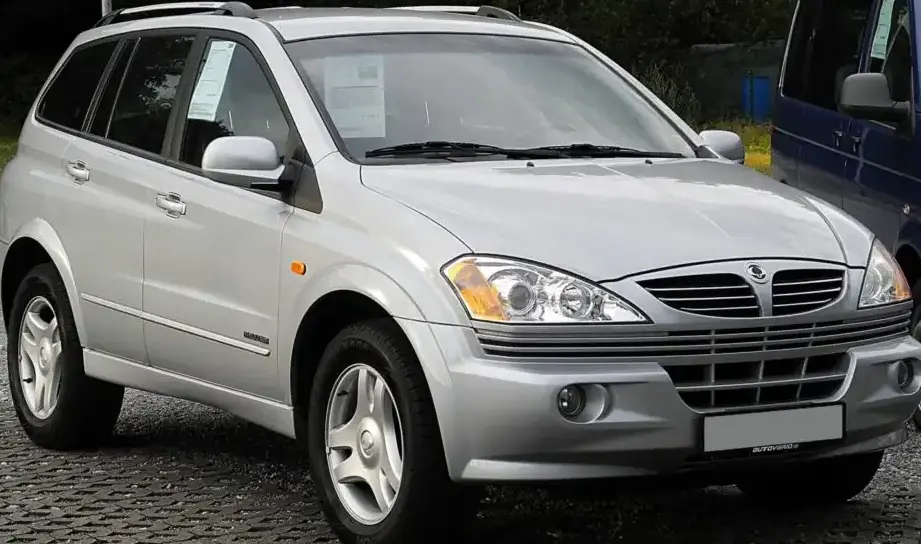
The SsangYong Kyron 2.0Xdi, produced between 2005 and 2007, was a mid-size SUV aimed at offering a more affordable and rugged alternative to established Japanese and European competitors. Positioned within the first generation Kyron (codenamed 1HX0), the 2.0Xdi variant represented the entry-level diesel offering, providing a balance between fuel economy and capability. While SsangYong was relatively unknown in the North American market, the Kyron was intended to broaden the brand’s appeal, particularly in Europe and emerging markets where diesel SUVs were popular. This specific model aimed to attract buyers seeking a practical, spacious vehicle with a focus on value.
Technical Specifications
| Brand | SsangYong |
| Model | Kyron |
| Generation | Kyron |
| Type (Engine) | 2.0Xdi (141 Hp) |
| Start of production | 2005 |
| End of production | 2007 |
| Powertrain Architecture | Internal Combustion engine |
| Body type | SUV |
| Seats | 5 |
| Doors | 5 |
| Fuel consumption (urban) | 9.9 l/100 km (23.8 US mpg) |
| Fuel consumption (extra urban) | 6.3 l/100 km (37.3 US mpg) |
| Fuel consumption (combined) | 7.7 l/100 km (30.5 US mpg) |
| Fuel Type | Diesel |
| Acceleration 0 – 100 km/h | 14.2 sec |
| Acceleration 0 – 62 mph | 14.2 sec |
| Acceleration 0 – 60 mph | 13.5 sec |
| Maximum speed | 167 km/h (103.77 mph) |
| Weight-to-power ratio | 13.7 kg/Hp |
| Weight-to-torque ratio | 6.2 kg/Nm |
| Power | 141 Hp @ 4000 rpm |
| Torque | 310 Nm (228.64 lb.-ft.) |
| Engine layout | Front, Longitudinal |
| Engine Model/Code | D20DT 664.950 |
| Engine displacement | 1998 cm3 (121.93 cu. in.) |
| Number of cylinders | 4 |
| Engine configuration | Inline |
| Cylinder Bore | 86.2 mm (3.39 in.) |
| Piston Stroke | 85.6 mm (3.37 in.) |
| Compression ratio | 18:1 |
| Number of valves per cylinder | 4 |
| Fuel injection system | Diesel Commonrail |
| Engine aspiration | Turbocharger, Intercooler |
| Engine oil capacity | 7.5 l (7.93 US qt) |
| Coolant | 10.5 l (11.1 US qt) |
| Kerb Weight | 1929 kg (4252.72 lbs.) |
| Max. weight | 2530 kg (5577.7 lbs.) |
| Max load | 601 kg (1324.98 lbs.) |
| Fuel tank capacity | 75 l (19.81 US gal) |
| Length | 4660 mm (183.46 in.) |
| Width | 1880 mm (74.02 in.) |
| Height | 1755 mm (69.09 in.) |
| Wheelbase | 2740 mm (107.87 in.) |
| Front track | 1570 mm (61.81 in.) |
| Rear track | 1570 mm (61.81 in.) |
| Drivetrain Architecture | Rear wheel drive |
| Number of gears | 5 |
| Gearbox type | Manual transmission |
| Front suspension | Double wishbone |
| Rear suspension | Coil spring |
| Front brakes | Ventilated discs |
| Rear brakes | Disc |
| Steering type | Steering rack and pinion |
Powertrain & Engine Architecture
The Kyron 2.0Xdi was powered by the D20DT engine, a 2.0-liter inline-four cylinder diesel. This engine, developed in-house by SsangYong, featured a common rail direct injection system, which improved fuel efficiency and reduced emissions compared to older diesel technologies. A turbocharger with an intercooler was employed to boost power output to 141 horsepower at 4000 rpm and 310 Nm (228.64 lb.-ft.) of torque. The engine’s 18:1 compression ratio was typical for a diesel engine of this era. The 2.0Xdi was paired with a five-speed manual transmission, sending power to the rear wheels. While all-wheel drive was available on higher trim levels, the base 2.0Xdi was exclusively rear-wheel drive.
Driving Characteristics
The 2.0Xdi Kyron offered adequate, but not particularly exciting, performance. The 0-60 mph time of around 13.5 seconds reflects its focus on fuel economy rather than outright speed. The rear-wheel drive configuration provided a more traditional driving feel, but also meant that traction could be a concern in slippery conditions. The five-speed manual transmission was well-matched to the engine’s torque curve, allowing for relatively relaxed cruising. Compared to the more powerful 2.7-liter petrol engine available on some Kyron models, the 2.0Xdi prioritized fuel efficiency and lower running costs. The manual transmission also offered a more engaging driving experience than the optional automatic transmission found on other trims.
Equipment & Trim Levels
The 2.0Xdi typically served as the entry point to the Kyron range, and as such, came with a relatively basic level of equipment. Standard features generally included air conditioning, power steering, central locking, and electric windows. Interior upholstery was typically cloth, and the dashboard featured a functional, if somewhat utilitarian, design. Optional extras could include alloy wheels, a CD player, and upgraded interior trim. The 2.0Xdi was often chosen by buyers who prioritized practicality and affordability over luxury features.
Chassis & Braking
The Kyron utilized a body-on-frame construction, providing a robust and durable chassis. The front suspension consisted of a double wishbone setup, while the rear employed a coil spring arrangement. This suspension configuration aimed to provide a comfortable ride, although it wasn’t particularly sporty. Braking duties were handled by ventilated discs at the front and solid discs at the rear. The Kyron’s braking performance was adequate for its weight and intended use, but it wasn’t a standout feature. The rear-wheel drive configuration meant that the 2.0Xdi had a slightly higher tendency to oversteer compared to all-wheel drive models.
Market Reception & Comparison
The SsangYong Kyron 2.0Xdi received mixed reviews from automotive critics. While its affordability and spacious interior were praised, its relatively unrefined engine and basic interior were often criticized. Compared to competitors like the Suzuki Grand Vitara and Hyundai Santa Fe, the Kyron offered a lower price point but lacked the same level of refinement and brand recognition. Fuel economy was a strong point for the 2.0Xdi, offering around 30.5 US mpg in combined driving. Reliability was generally considered average, with some reports of issues with the diesel injection system.
Legacy
The SsangYong Kyron, including the 2.0Xdi variant, represents an interesting chapter in the brand’s history. While it didn’t achieve mainstream success, it offered a unique alternative in the mid-size SUV segment. Today, the 2.0Xdi Kyron can be found on the used car market at very affordable prices. The D20DT engine, while not known for being exceptionally durable, can provide reliable service with proper maintenance. Parts availability can be a challenge, however, due to SsangYong’s limited presence in many markets. The Kyron 2.0Xdi remains a practical and affordable option for buyers seeking a rugged and spacious SUV, but potential owners should be prepared for potentially higher maintenance costs and limited parts support.