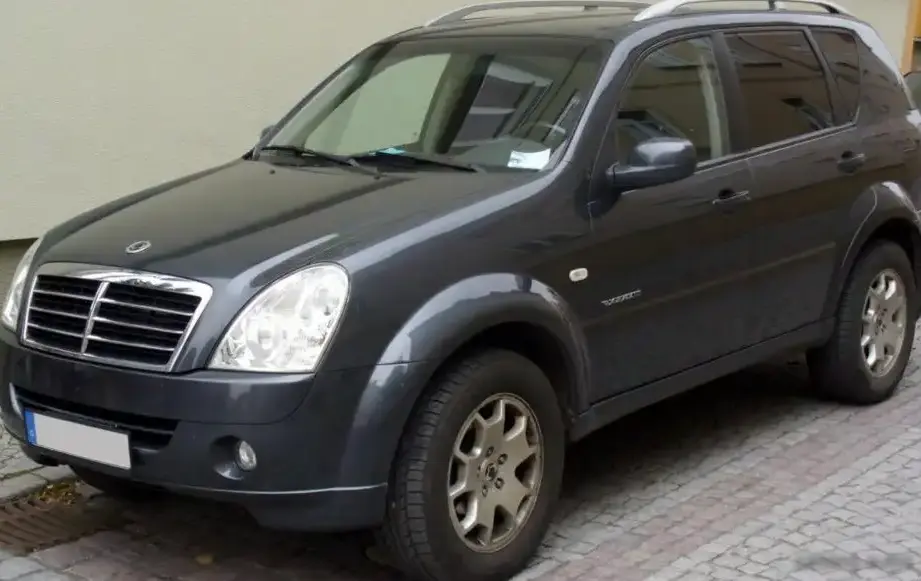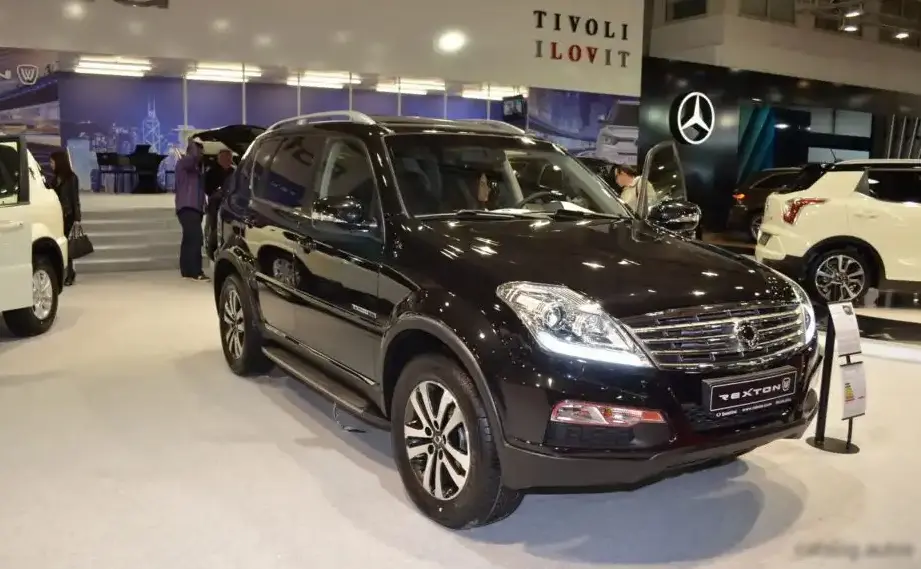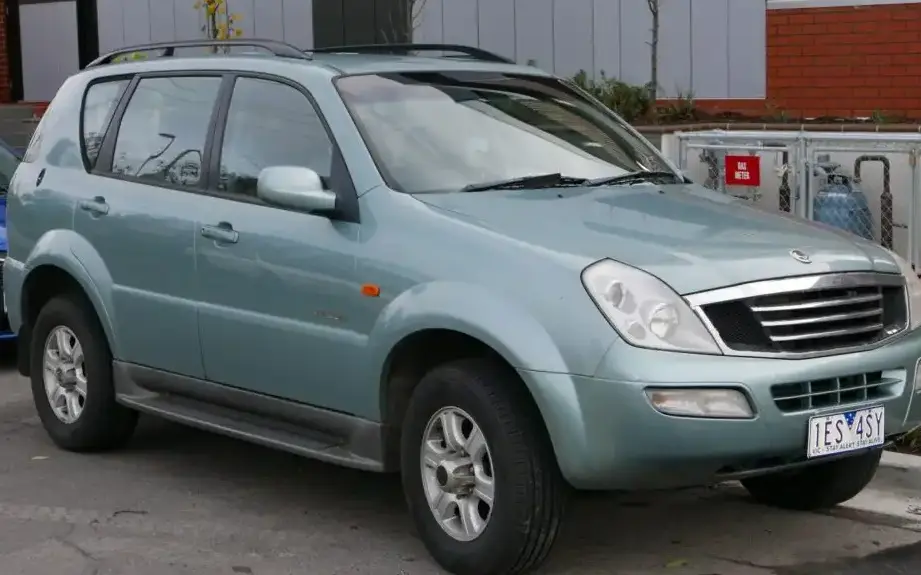
The SsangYong Rexton I RX 280, produced from 2003 to 2006, represents the initial foray of the South Korean automaker into the mid-size SUV segment. Built upon a ladder-frame chassis derived from the Mercedes-Benz G-Class (W463) – a result of SsangYong’s former partnership with Daimler-Benz – the Rexton aimed to offer a robust and capable SUV at a more accessible price point than its German counterpart. The RX 280, powered by a 2.8-liter gasoline engine producing 201 horsepower, served as a key variant within the Rexton lineup, positioned as a balance between affordability and performance. It was primarily marketed towards families and individuals seeking a spacious, durable SUV with some level of refinement.
Technical Specifications
| Brand | SsangYong |
| Model | Rexton |
| Generation | Rexton I |
| Type (Engine) | RX 280 (201 Hp) |
| Start of Production | 2003 |
| End of Production | 2006 |
| Powertrain Architecture | Internal Combustion Engine |
| Body Type | SUV |
| Seats | 5 |
| Doors | 5 |
| Fuel Type | Petrol (Gasoline) |
| Power | 201 Hp |
| Engine Model/Code | G28D |
| Engine Aspiration | Naturally Aspirated |
Powertrain & Engine Architecture
The heart of the Rexton RX 280 is the G28D engine, a 2.8-liter (2799 cc) inline-four cylinder gasoline engine. This engine is naturally aspirated, meaning it doesn’t utilize a turbocharger or supercharger. It features a cast iron block and an aluminum cylinder head, a common construction for durability and weight reduction. The G28D employs a multi-point fuel injection system, delivering fuel to each cylinder individually for optimized combustion. The valvetrain consists of two overhead camshafts (DOHC) operating four valves per cylinder, contributing to improved breathing and power output. While not a particularly advanced engine by contemporary standards, the G28D was known for its relative simplicity and robustness. The engine was paired with a five-speed automatic transmission, providing convenient shifting for everyday driving. This transmission was sourced from a variety of suppliers depending on the market, but generally offered smooth, if not particularly sporty, gear changes. The drivetrain is primarily rear-wheel drive, with a selectable four-wheel drive system available as an option, enhancing off-road capability.
Driving Characteristics
The Rexton RX 280, with its 201 horsepower and 195 lb-ft of torque, offered adequate, but not exhilarating, performance. Acceleration from 0 to 60 mph was typically in the 9-10 second range, making it competitive with other mid-size SUVs of the era. The automatic transmission, while providing ease of use, did contribute to some power loss compared to a manual transmission. The gear ratios were tuned for comfortable cruising rather than aggressive acceleration. In real-world driving, the RX 280 felt most comfortable at highway speeds, where the engine could operate efficiently. The ladder-frame chassis, while providing a sturdy foundation, resulted in a noticeable body-on-frame feel, with some body roll during cornering. The four-wheel drive system, when engaged, provided enhanced traction in slippery conditions, making the Rexton a capable off-roader for light to moderate trails. Compared to potential diesel variants (which were more common in European markets), the RX 280 offered a smoother and quieter driving experience, but at the expense of fuel economy and low-end torque.
Equipment & Trim Levels
The Rexton RX 280 typically came equipped with a reasonable level of standard features, aiming for a balance between affordability and comfort. Standard equipment generally included air conditioning, power windows and locks, a basic audio system, and cloth upholstery. Higher trim levels, often denoted by additional packages, added features such as leather upholstery, a sunroof, upgraded audio systems, and woodgrain interior trim. Safety features were relatively basic for the time, typically including dual front airbags and anti-lock brakes (ABS). Optional extras included a navigation system (a rarity in this segment at the time), heated seats, and a rear parking sensor system. The interior design was functional and straightforward, prioritizing space and durability over stylistic flair. The Rexton offered a spacious cabin with ample headroom and legroom for both front and rear passengers.
Chassis & Braking
The Rexton I utilized a traditional body-on-frame construction, employing a ladder chassis for strength and durability. The suspension consisted of double wishbones at the front and a multi-link setup at the rear, providing a reasonably comfortable ride, although it wasn’t as refined as more modern independent suspension systems. The braking system featured ventilated disc brakes at the front and drum brakes at the rear. While adequate for most driving situations, the rear drum brakes were a cost-saving measure that limited overall braking performance compared to all-disc setups. Stabilizer bars were fitted to both the front and rear axles to reduce body roll during cornering. The steering system was a hydraulic power steering setup, providing reasonable assistance at low speeds.
Market Reception & Comparison
The SsangYong Rexton RX 280 received mixed reviews from automotive critics. It was generally praised for its spacious interior, robust construction, and competitive price point. However, it was often criticized for its relatively unrefined driving experience, dated interior design, and lack of brand recognition. Compared to rivals such as the Toyota 4Runner, Jeep Grand Cherokee, and Ford Explorer, the Rexton offered a more affordable alternative, but lacked the established reputation and refinement of these competitors. Fuel economy was also a weak point, with the 2.8-liter gasoline engine returning around 16-18 mpg in combined driving. Reliability was generally considered average, with some reports of minor electrical issues and suspension component wear. The diesel variants of the Rexton, particularly in Europe, were more popular due to their superior fuel economy and torque.
Legacy
The SsangYong Rexton I, including the RX 280 variant, laid the foundation for SsangYong’s presence in the mid-size SUV market. While not a runaway success, it established the brand as a provider of capable and affordable SUVs. The G28D engine, while not particularly innovative, proved to be a reasonably durable and reliable powerplant. On the used car market today, the Rexton I RX 280 represents an affordable option for those seeking a spacious and rugged SUV. However, potential buyers should be aware of the vehicle’s age and potential maintenance requirements. Parts availability can be a challenge in some regions, and the vehicle’s dated technology may not appeal to all buyers. Despite its shortcomings, the Rexton RX 280 remains a testament to SsangYong’s ambition to compete in the global automotive market.